Vietnam’s gold market is still defined less by the metal’s global rally than by the unusually wide gap between what local dealers will pay and what they will charge, and that spread is keeping retail buyers on the sidelines.
Vietnam Gold Premium Stays Wide on SJC Bullion
At 9 a.m., Saigon Jewelry Co. left SJC bullion unchanged at 140.5 million dong a tael bid and 143.5 million dong offered, preserving a 3 million dong spread. Other dealers also held their selling prices steady, but lower buy prices at some firms pushed the gap as wide as 4 million dong a tael. For investors, that matters because the spread is effectively a built-in transaction cost: the wider it is, the harder it is for buyers to profit unless prices keep rising.
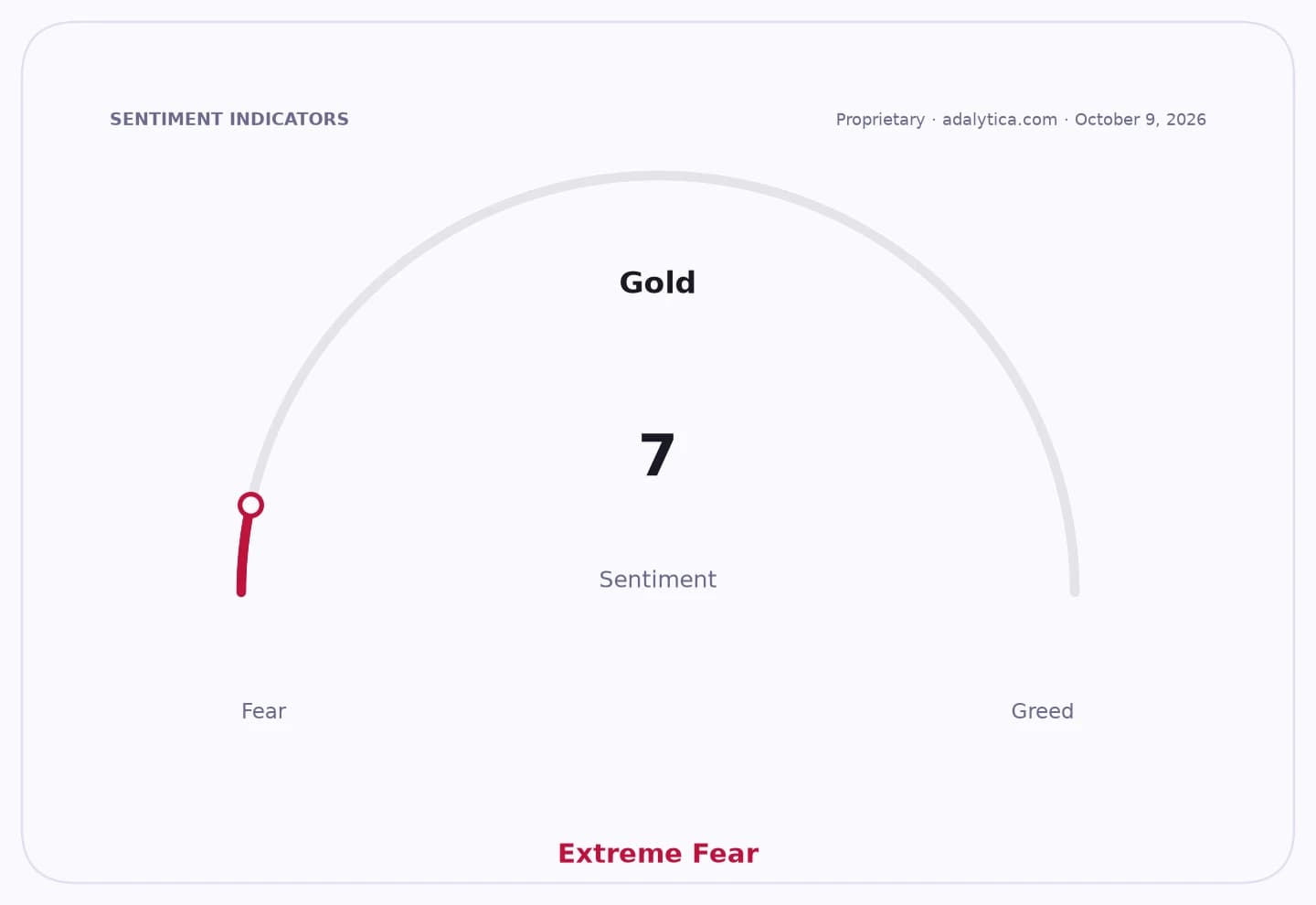
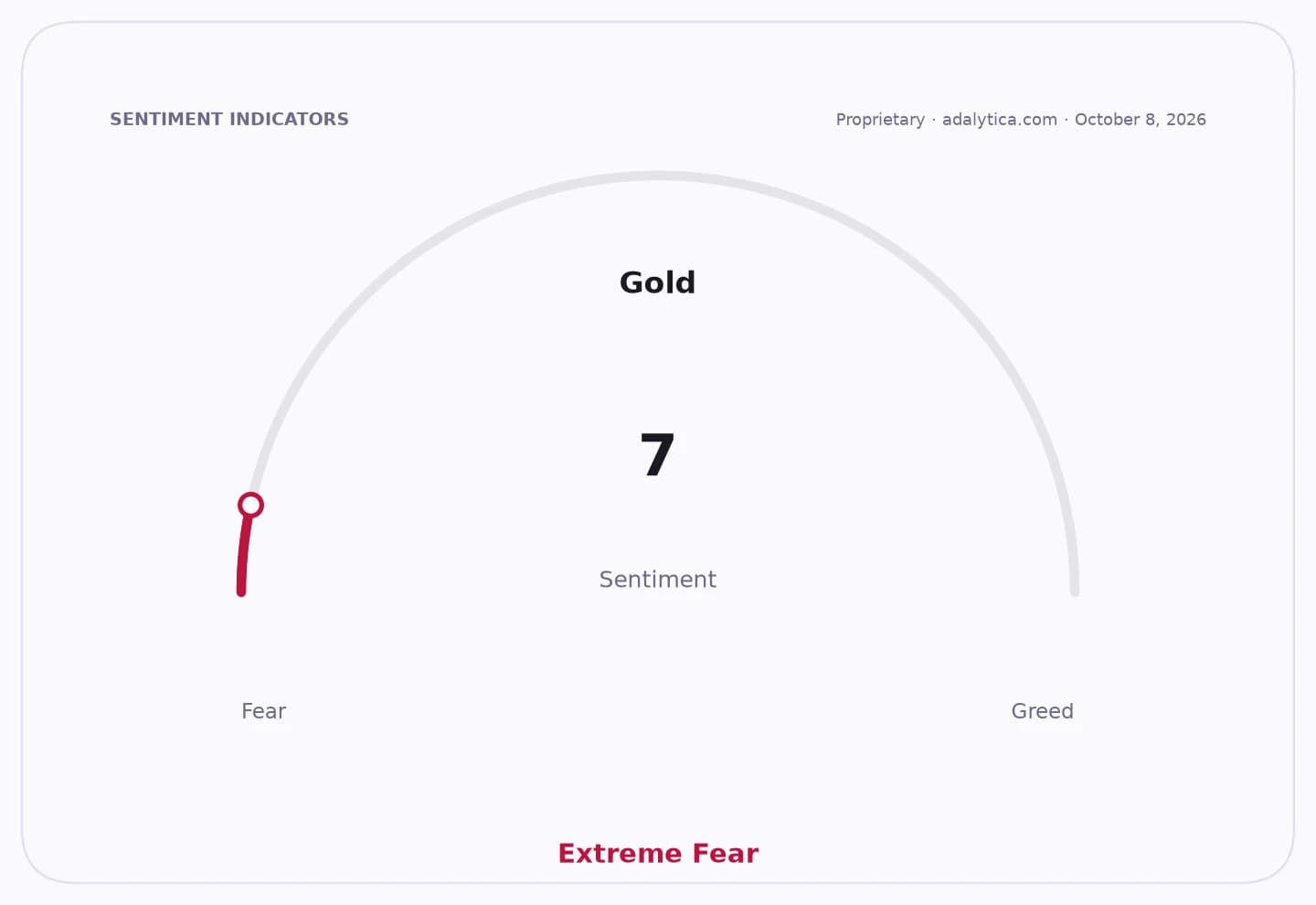
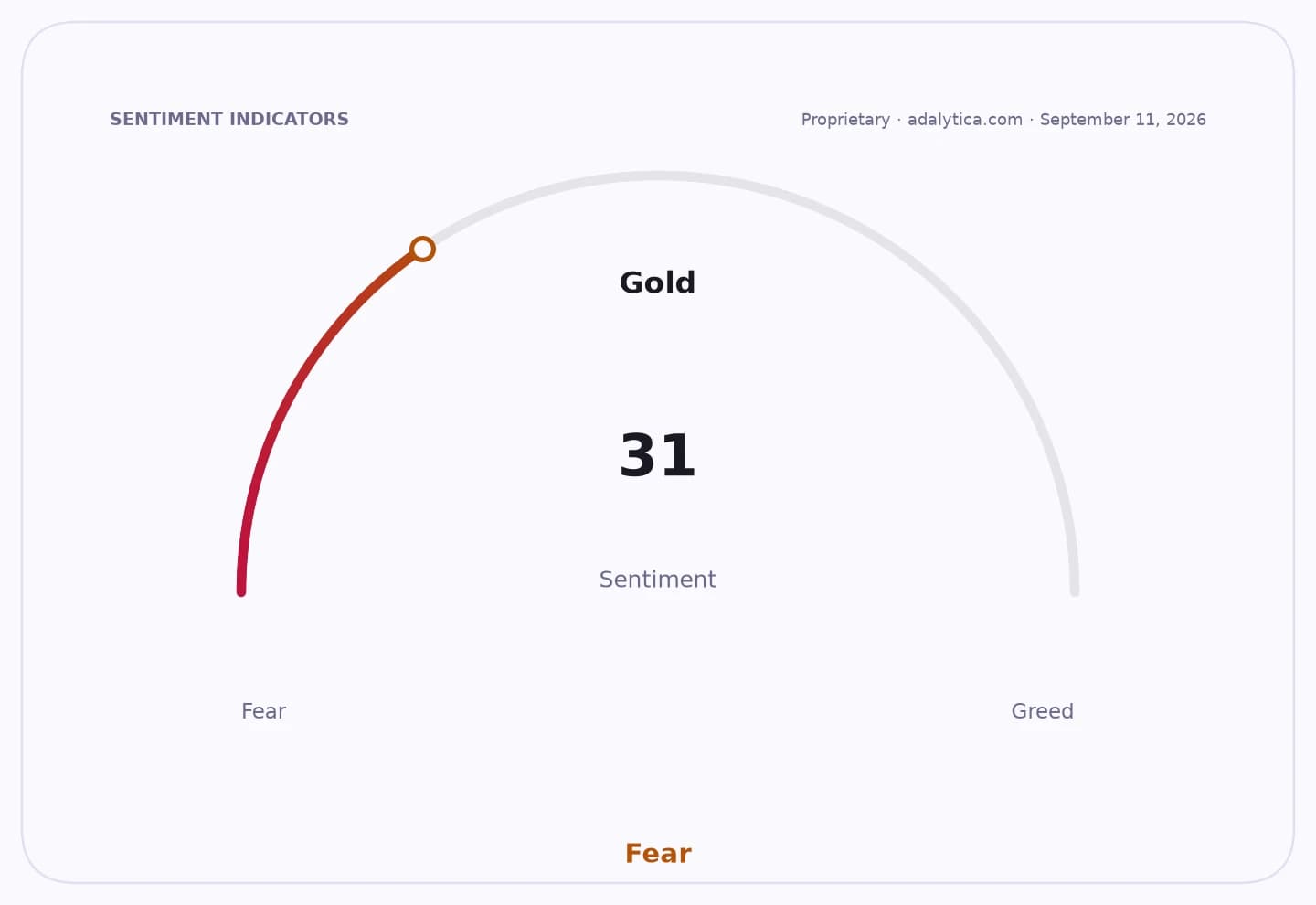
Sentiment IndicatorsⓘProprietary · adalytica.com · October 8, 2026
This is a snapshot — live sentiment, awareness and momentum for 130+ markets update continuously in the dashboard.Open AlphaPulse
This is the clearest sign yet that Vietnam’s domestic gold market is operating on caution, not enthusiasm. Gold is already at elevated levels, so dealers have little incentive to chase every move in the international market, especially when fresh demand is no longer as strong as during earlier breakout phases. That leaves retail customers facing a difficult choice: pay up for exposure, or wait and risk missing further gains.
The imbalance is even more striking when compared with world prices. Spot gold stood at $4,146 an ounce, up $16 from the prior morning, which works out to about 130.8 million dong a tael — still well below local SJC pricing. In other words, the domestic premium remains substantial, underscoring how regulated supply, local brand preference and thin trading can disconnect Vietnam’s prices from the global benchmark.
The same pattern appears in gold rings, which traded lower than SJC bullion by 200,000 to 500,000 dong a tael across brands. That suggests buyers looking for gold exposure are becoming more selective, favoring products with smaller premiums rather than paying top prices for the most recognized bars. For long-term investors, that kind of behavior often marks a maturing bull market: demand is still there, but it is becoming more price sensitive.
Currency markets add another layer. Vietnam’s central rate was set at 25,638 dong per dollar, down 7 dong, while Vietcombank lowered its dollar quotes and the free market was steady around 26,040 to 26,140 dong. A softer dollar locally can support gold demand at the margin, but it does not erase the central issue here: the market is paying a steep premium for domestic bullion.
For investors, the lesson is straightforward. Global gold strength may still support the long-term case for bullion, but in Vietnam, the bigger story is execution risk — high entry costs, wide dealer spreads and a market that is no longer rewarding casual buying. That makes patience and discipline more important than chasing the headline price. In the near term, the wide gap between buy and sell prices is worth watching, because it will decide whether local demand revives or stays cautious.
| Entity | Gains | Losses |
|---|---|---|
| SJC dealers | ▲Wide trading spreads | ▼Price-sensitive buyers |
| Gold holders | ▲Higher mark-to-market value | ▼New retail entrants |
| Ring gold buyers | ▲Lower premium choices | ▼SJC bullion buyers |
| World gold bulls | ▲Support from global rally | ▼Vietnam local premiums |