Gold price today July 11, 2026 was driven by an unexpected domestic rebound, with SJC gold bars rising sharply within an hour while plain gold rings remained elevated but uneven across brands.
Vietnam Gold Rebound Tests Weak Global Technicals

The move matters because Vietnam’s gold market is again showing a familiar split: investment-grade bars are attracting haven demand, while jewelry-linked ring prices are reacting more unevenly to retail buying, dealer inventory and global price swings. That divergence suggests households are still using gold as a store of value even as international bullion has struggled to regain its recent highs.
Sentiment Indicators

Global gold futures closed at $4,104.10 an ounce on July 10, down from $4,130.60 a day earlier but still above the July 8 close of $4,070.90. The recovery has been tentative rather than decisive. Futures remain below their 50-day moving average of $4,373.25 and 200-day moving average of $4,467.17, while the 14-day RSI rose to 41.2 from 32.9 earlier in the week, showing selling pressure has eased but momentum has not fully turned.
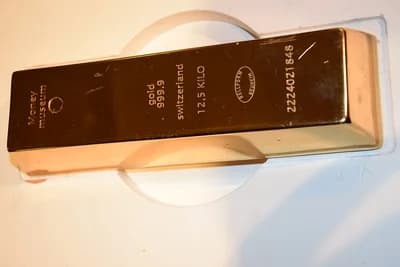
That leaves domestic dealers exposed to a difficult pricing backdrop. SJC bars, Vietnam’s benchmark bullion product, can move faster than global futures when local demand tightens or supply premiums widen. Rings, often used by retail buyers as a lower-premium alternative, showed mixed moves, with most brands rising while some posted steep declines, according to the market context. The result is a market where headline gold prices are recovering, but execution prices for buyers vary sharply by product and seller.
The macro picture is also keeping gold volatile. The U.S. 10-year Treasury yield was 4.54% on July 9 and is forecast at about 4.58% for July 10, a level that raises the opportunity cost of holding non-yielding bullion. The federal funds rate has been steady near 3.63%, while U.S. consumer prices continued to rise in May and are forecast to increase again in June. Sticky inflation supports gold’s role as a hedge, but elevated yields limit the upside.
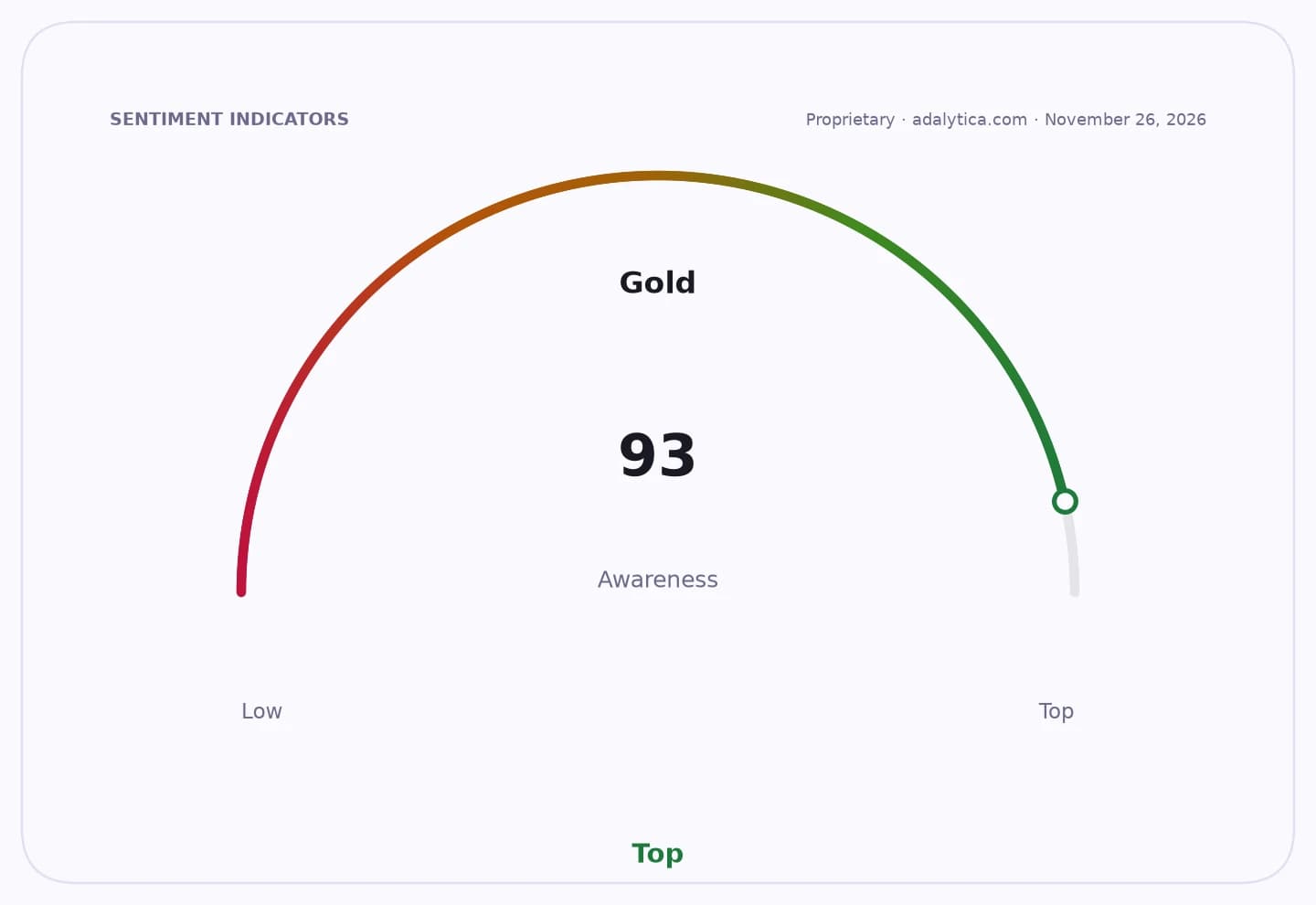
Currency signals add another layer. Adalytica.com’s proprietary Gold Fear & Greed Index showed gold sentiment at 90, labeled “Extreme Greed,” even after easing from recent peaks. Its U.S. dollar trade signal fell to 29, labeled “Fear,” with a sharp decline over the past month. A weaker dollar mood can support bullion globally, but extreme gold sentiment also warns that positioning may be crowded.
For investors, the July 11 rebound is less a clean breakout than a test of whether local demand can overpower weak global technicals. SJC bars remain the product most likely to benefit if households seek protection from inflation and currency uncertainty. Ring buyers face greater dispersion, with brand-level pricing and buy-sell spreads becoming more important as volatility rises.
The next signal will come from whether international gold can reclaim the 50-day moving average and whether domestic premiums keep widening. Until then, the SJC recovery points to resilient haven demand, while the uneven ring market shows investors are becoming more selective.
| Entity | Gains | Losses |
|---|---|---|
| SJC gold bar holders | ▲Higher domestic benchmark prices | ▼Buyers facing wider premiums |
| Ring gold buyers | ▲More product choice | ▼Greater brand-level price risk |
| Gold bulls | ▲Weak dollar sentiment | ▼High Treasury yields |
| Jewelry retailers | ▲Volatile retail demand | ▼Margin pressure from sharp swings |