Vietnam is moving the 1,500-megawatt LNG Cà Ná power project closer to approval, a sign that the country is still pressing ahead with gas-fired capacity as it races to shore up power supply and diversify away from coal.
Vietnam LNG Cà Ná project moves closer to approval
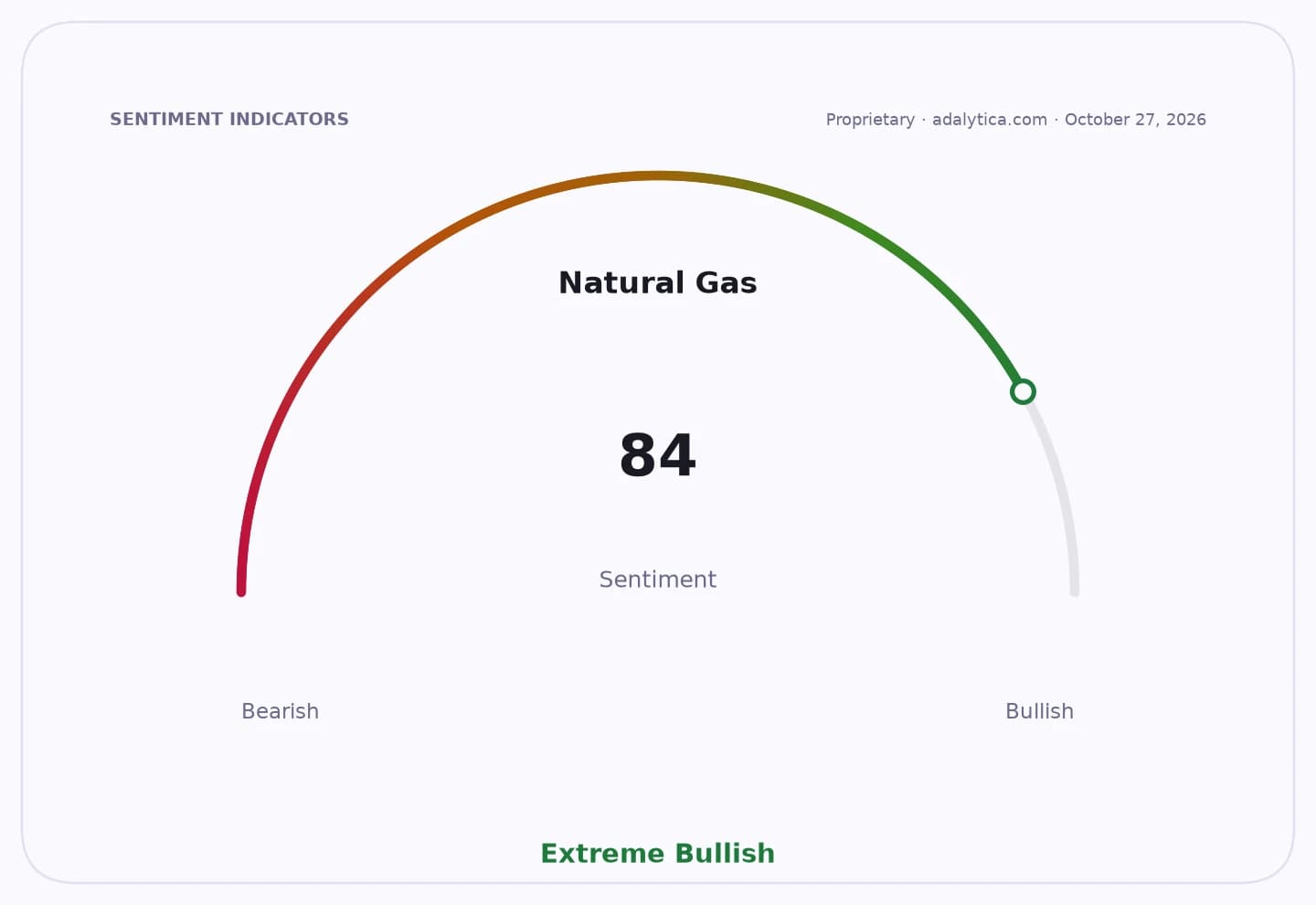
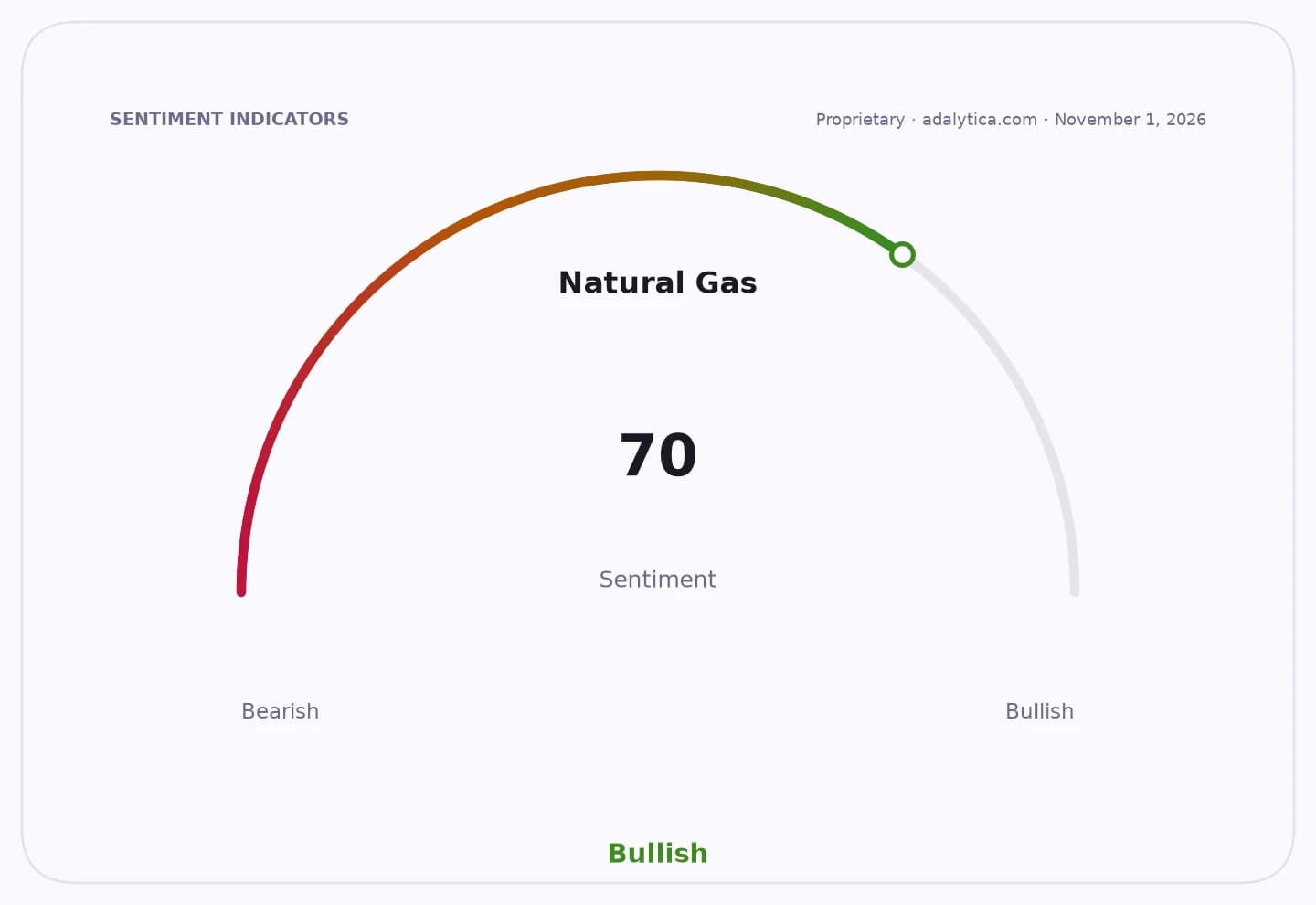
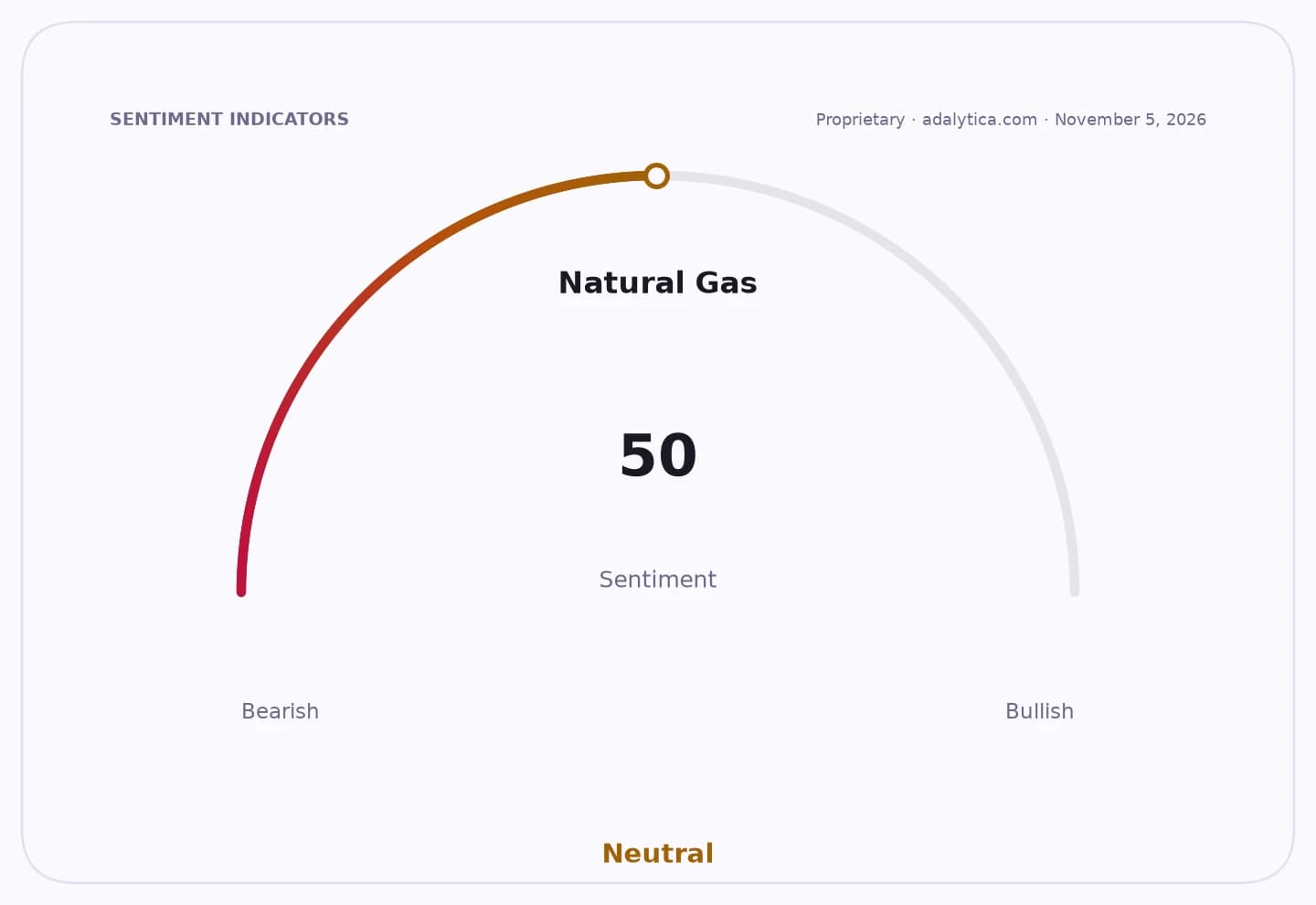
Natural Gas
Khánh Hòa’s Department of Industry and Trade said the feasibility-study dossier for the project — with a total investment cost of more than 57,384 billion dong, or about $2.3 billion — generally meets requirements and can now be compiled for approval. That is an important procedural step, but in a market where large power projects often stall on permitting, land, financing and fuel supply, it also keeps one of Vietnam’s most closely watched LNG developments alive.
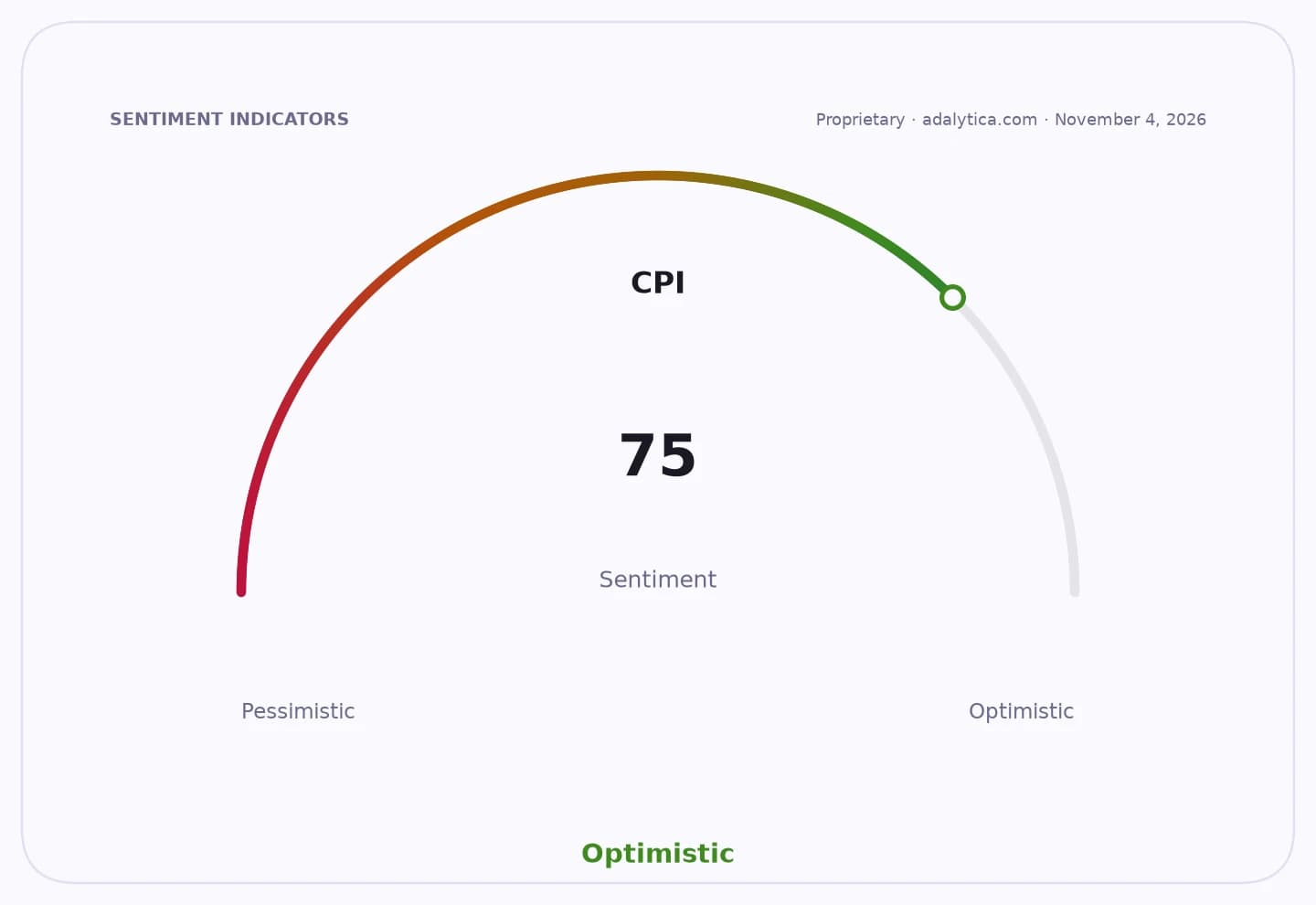
Sentiment Indicators
The project is being developed by the Trung Nam–Sideros River consortium and is planned as a combined-cycle gas turbine plant with an LNG import terminal and regasification system able to handle 1-1.2 million tons a year. The site covers about 265.7 hectares, including a 220,000-cubic-meter LNG tank, an import jetty, gas pipelines and a 2.4-kilometer eastern breakwater. The developer has proposed an electricity tariff of 3,294.22 dong per kWh, and wants the plant operating by Dec. 31, 2030.
For Vietnam, the economics are bigger than one project. The country’s industrial growth is straining its grid, and policymakers are increasingly treating LNG as a bridge fuel that can provide dispatchable power when renewable output is intermittent. The Cà Ná plant has been positioned as a mid-merit source, meaning it would help cover demand between baseload and peak loads — the kind of capacity grid operators need if they want to keep factories running and avoid shortages.
That matters because every major LNG project anchors a wider chain of investment. If Cà Ná advances, it could draw follow-on spending into port infrastructure, gas storage, transmission and industrial services. It also strengthens the case for long-term LNG supply contracts, which are becoming the global norm as buyers seek certainty and producers want bankable offtake agreements.
The project is also being framed by local authorities as aligned with Vietnam’s national energy-security agenda and with the country’s power planning through 2030. But the appraisal note makes clear this is still only one step in a longer process. The developer must still complete investment approval, environmental clearance, land procedures and financing arrangements, while proving it can secure LNG over the life of the plant.
That is where the real investor takeaway lies. Vietnam’s LNG buildout remains a multi-year opportunity, but the winners will be the companies that can control fuel supply, terminal capacity and project execution. If Cà Ná keeps moving, it could become a reference point for the next wave of gas infrastructure across Southeast Asia — and a reminder that in an energy-hungry economy, power reliability is increasingly the trade.
| Entity | Gains | Losses |
|---|---|---|
| Trung Nam–Sideros River consortium | ▲Project advances toward approval | ▼More permitting and financing hurdles |
| Vietnam power system | ▲New dispatchable capacity pipeline | ▼Less reliance on strained existing generation |
| LNG suppliers and terminal operators | ▲Potential long-term offtake demand | ▼Price and contract pressure if delays persist |
| Coal generators and grid bottlenecks | ▲— | ▼Share of future generation mix |