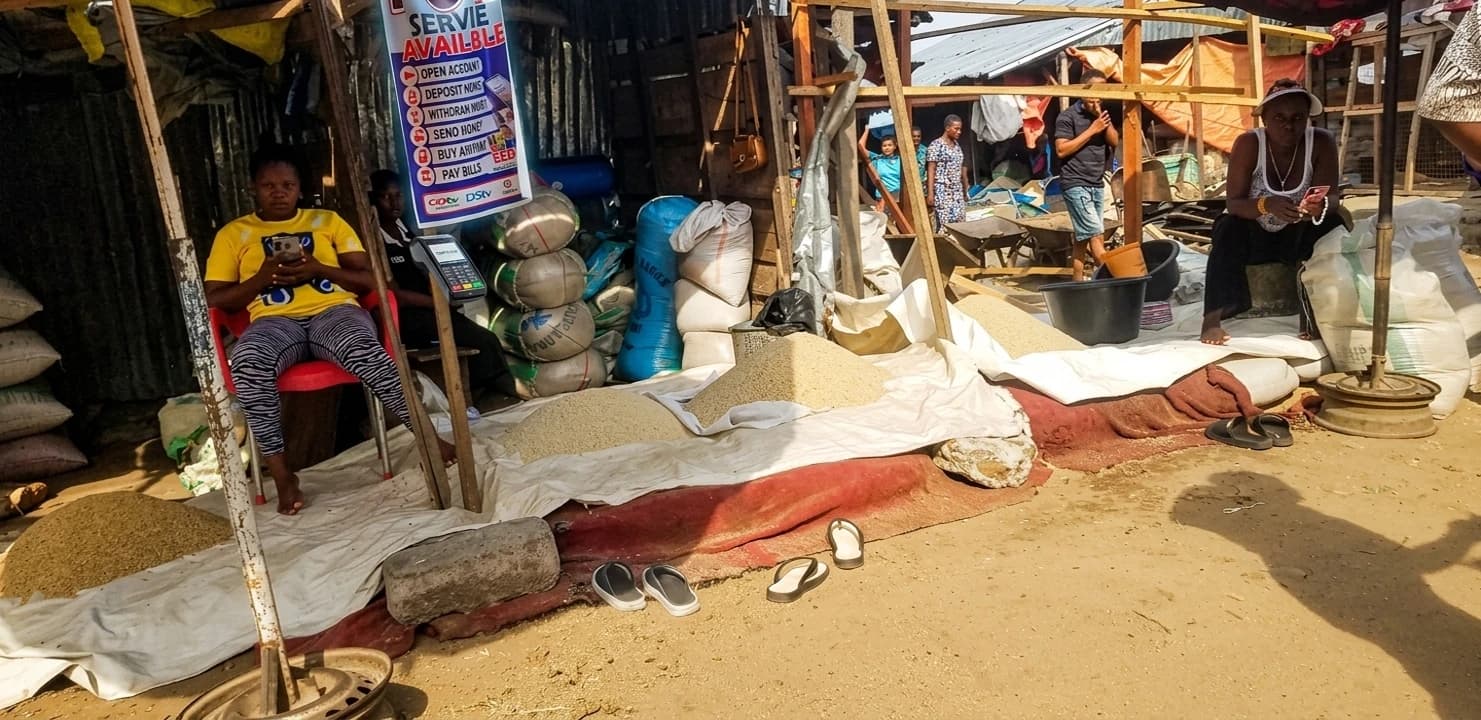
Rice prices in Vietnam’s Mekong Delta were largely unchanged on Sept. 9 as thin buying and slower export activity kept the domestic market in a holding pattern.
Vietnam Mekong Delta rice prices stay flat on Sept. 9
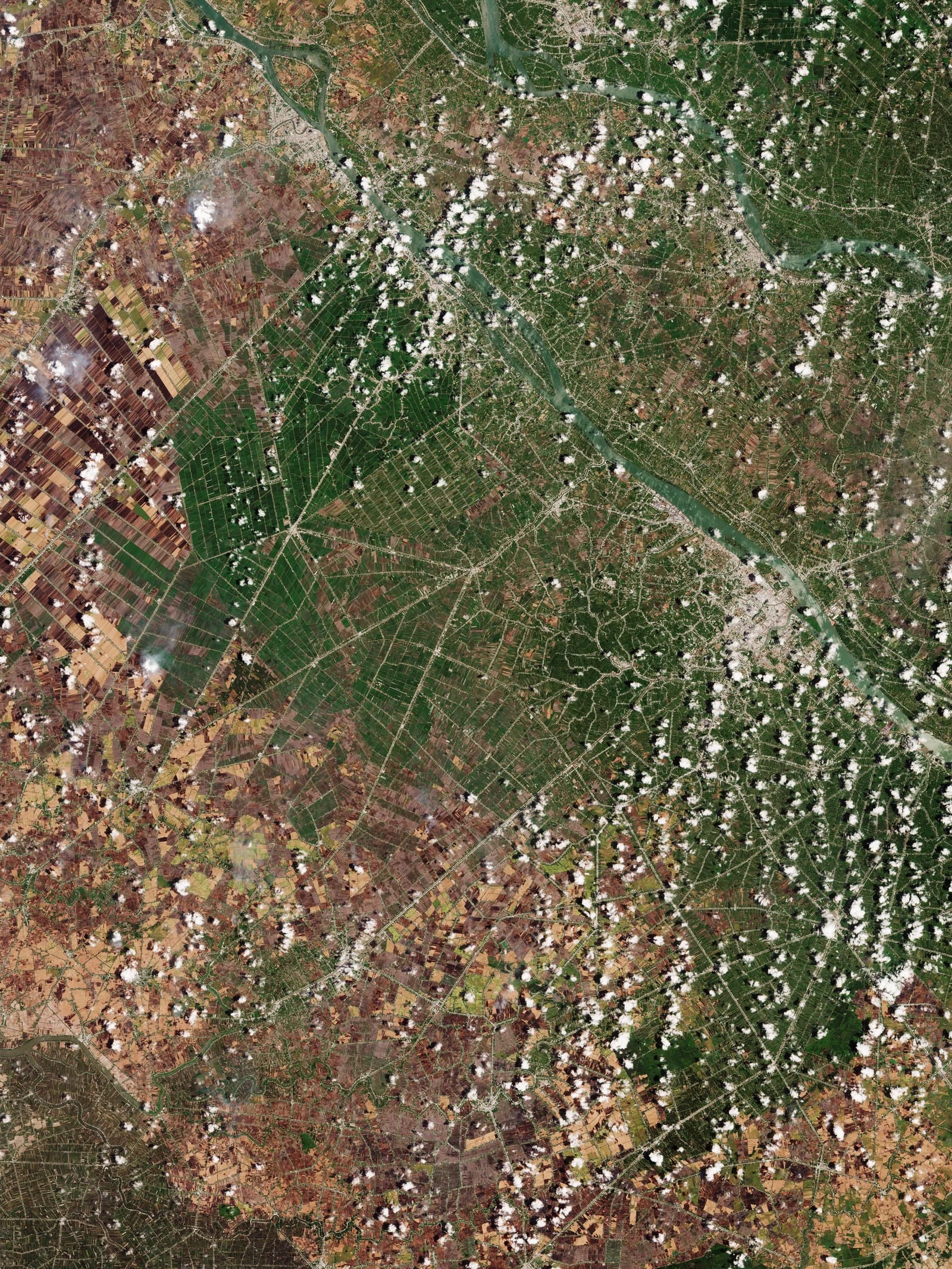
The lack of movement matters because rice is a staple with outsized influence on food costs, farm incomes and export earnings. When prices stop rising in a major producing region such as the Mekong Delta, it usually reflects a market that is being pinned down by softer demand rather than a sudden improvement in supply. That in turn can relieve some pressure on consumers and millers, but it also leaves farmers and traders with less pricing power heading into the next round of procurement.
Sentiment IndicatorsⓘProprietary · adalytica.com · September 10, 2026
This is a snapshot — live sentiment, awareness and momentum for 130+ markets update continuously in the dashboard.Open AlphaPulse
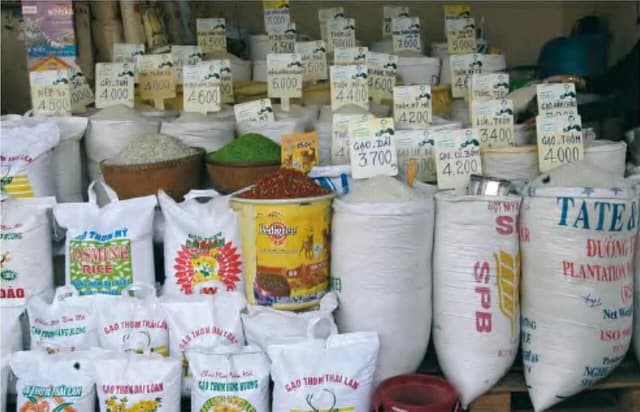
In the Delta, fresh paddy prices were steady to slightly weaker across key varieties. An Giang province reported OM 18 at 6,400-6,600 dong a kilogram, Dai Thom 8 at 6,300-6,400 dong, OM 5451 at 6,100-6,300 dong, IR 50404 at 6,000-6,200 dong and OM 34 at 5,800-5,900 dong. Traders said new deals were slow, supply had fallen from earlier levels and prices were broadly firm, with some localities such as Ca Mau still seeing decent availability but stable demand.
Rice product prices showed the same pattern. Export-grade raw rice in An Giang and industry sources was quoted at 8,650-8,750 dong a kilogram for IR 504 and CL 555, 8,700-8,850 dong for OM 18 and 9,200-9,400 dong for Dai Thom 8. By contrast, export rice benchmarks were steady rather than stronger, with Vietnamese 5% broken fragrant rice at $470-$480 a ton and Jasmine at $534-$538 a ton, while domestic retail prices were unchanged.
That calm in Vietnam comes against a quiet Asian export backdrop. Thai 5% broken rice was quoted at $453-$457 a ton and Indian 5% broken at $364-$368, levels that still underline how competitive the regional market remains. For Vietnamese exporters, the message is that there is little room to push prices higher unless demand improves from large buyers in Asia and beyond.
The broader macro picture does not offer much help either. The dollar remains firm by the standards of recent months, and U.S. inflation readings remain elevated enough to keep food commodities on investors’ radar. In commodity markets, corn and broad agricultural exposures such as DBA have also held at comparatively strong levels, suggesting supply-side concerns are still part of the backdrop even if rice itself is pausing.
For investors, the key question is whether the current stability marks a floor or a lull before further weakness. Bulls will argue that reduced supply in the Delta and firm milling demand can prevent a sharp drop in farmgate prices. Bears will counter that subdued exports, slow buying and quiet Asian trade leave Vietnamese rice exposed if competing origins continue to undercut prices. The next catalyst will be whether export orders pick up enough to absorb supply before a larger seasonal buildup in the harvest cycle.
| Entity | Gains | Losses |
|---|---|---|
| Vietnamese consumers | ▲Stable food prices | ▼None immediate |
| Rice farmers in Mekong Delta | ▲Price floor support | ▼Limited upside on paddy |
| Exporters and millers | ▲Easier inventory management | ▼Weaker pricing power |
| Thai and Indian exporters | ▲Competitive benchmark position | ▼Vietnamese market share pressure |