Vietnam is aiming to lift retail sales and consumer service revenue by 14% to 15% a year through 2030, betting that stronger domestic demand, faster e-commerce adoption and tighter market controls can turn consumption into a bigger driver of growth.
Vietnam retail sales target rises to 2030
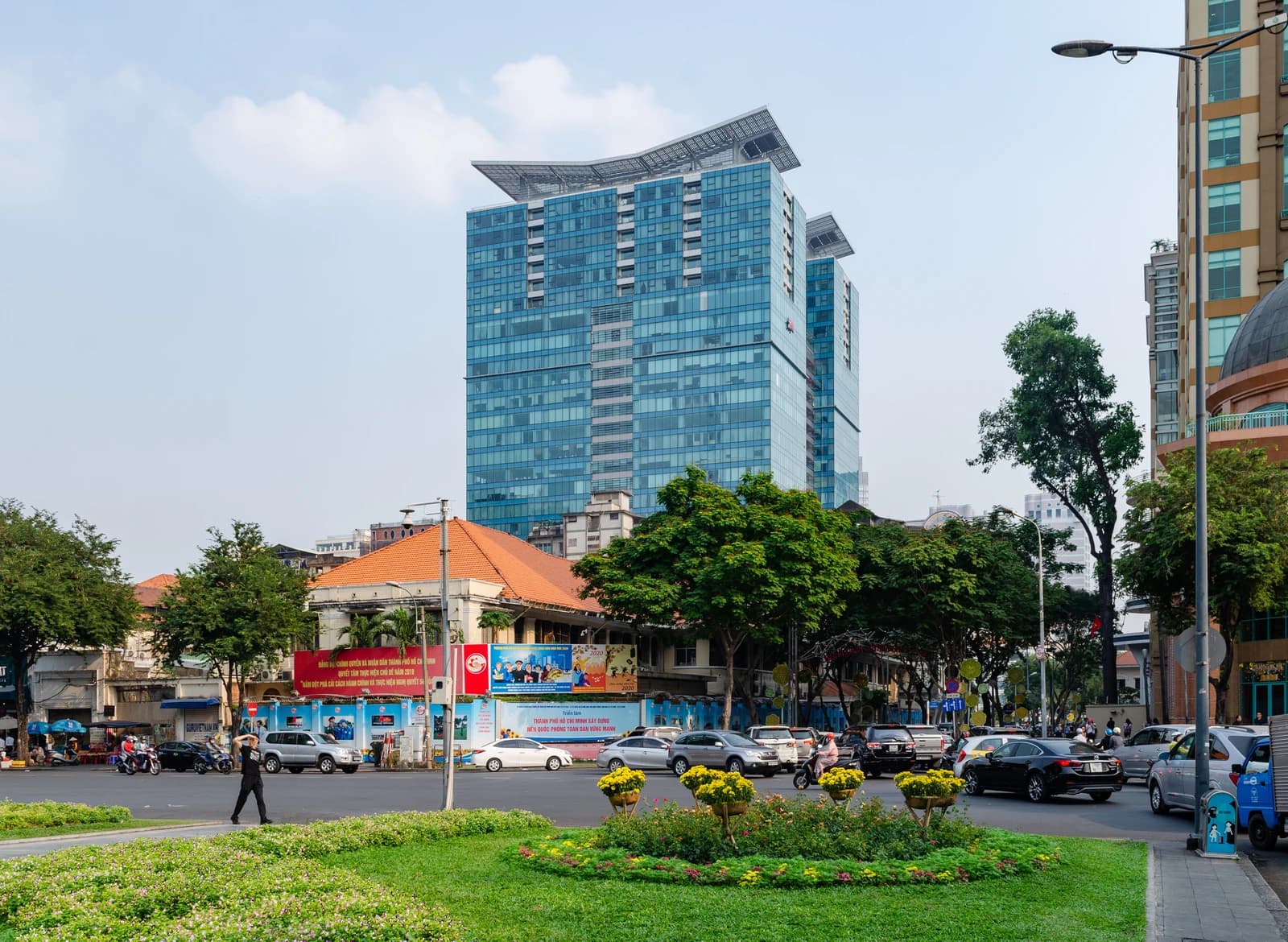
The target, set out in the newly approved “Vietnamese Goods for Vietnamese Consumers” programme for 2026-2030, would take total retail sales and consumer service revenue to about 13.5 quadrillion to 14 quadrillion dong, or $523.4 billion to $542.8 billion, by 2030. That would mark a major expansion of the country’s internal market at a time when policymakers are looking to reduce reliance on external demand and strengthen economic autonomy.
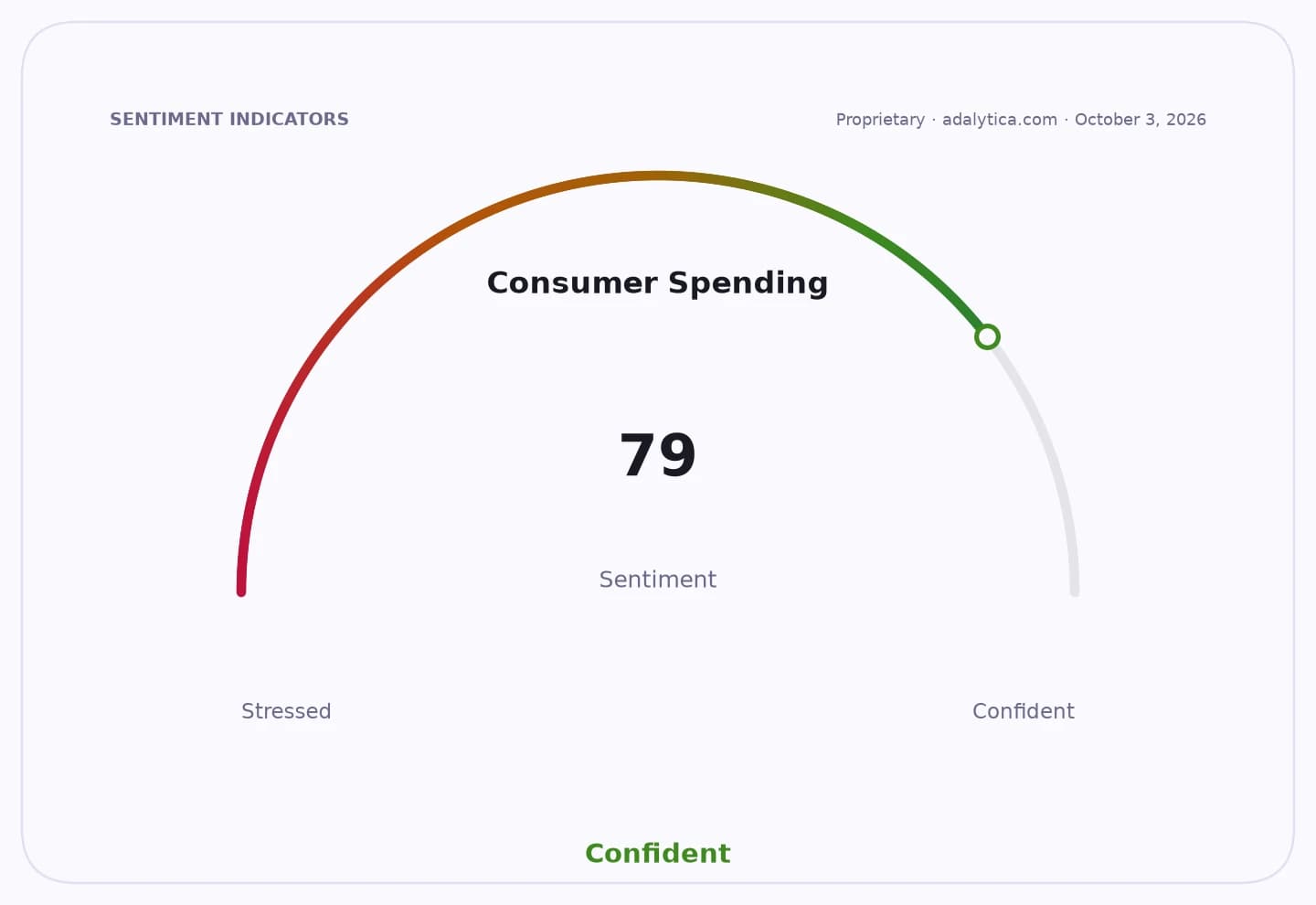
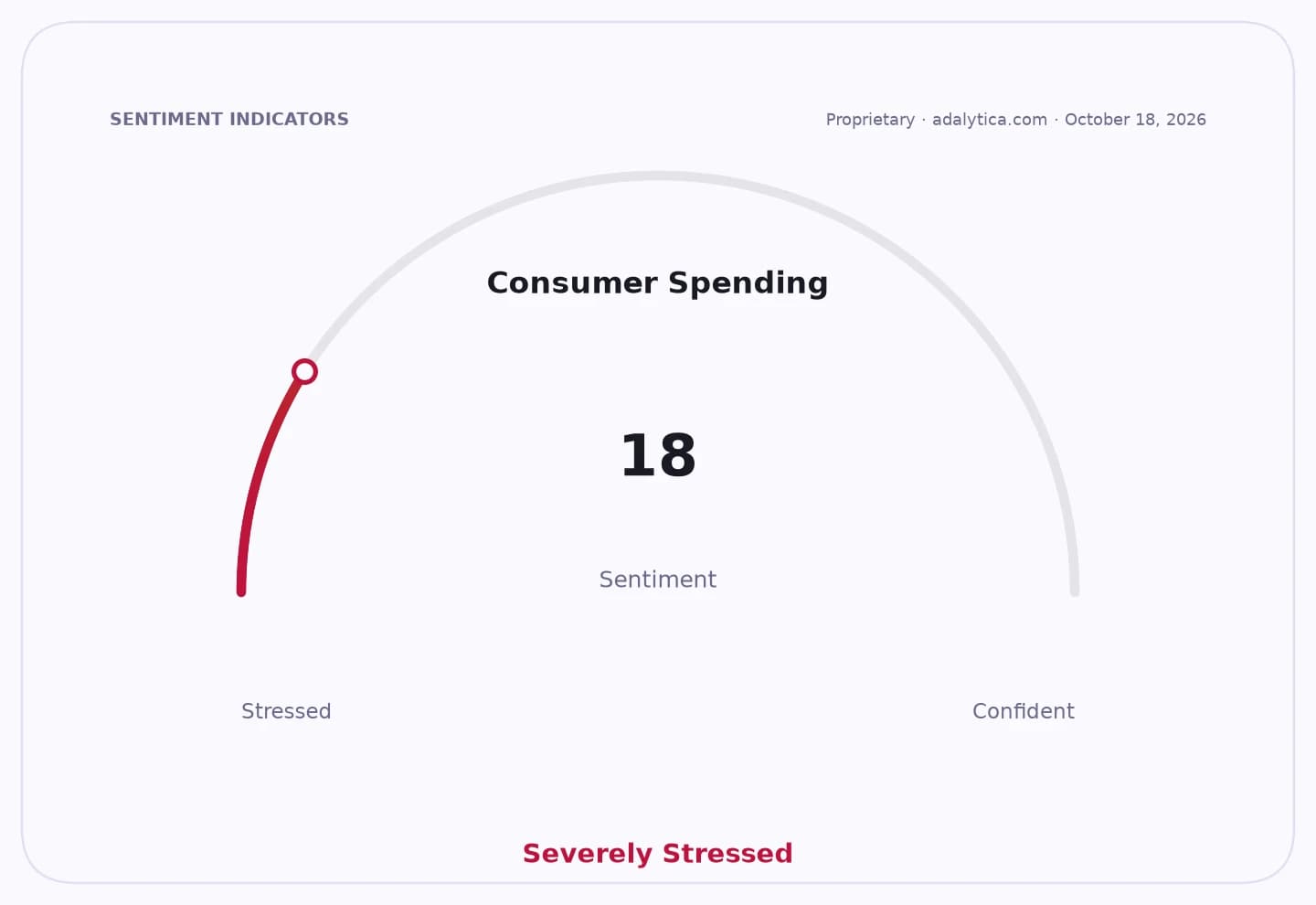
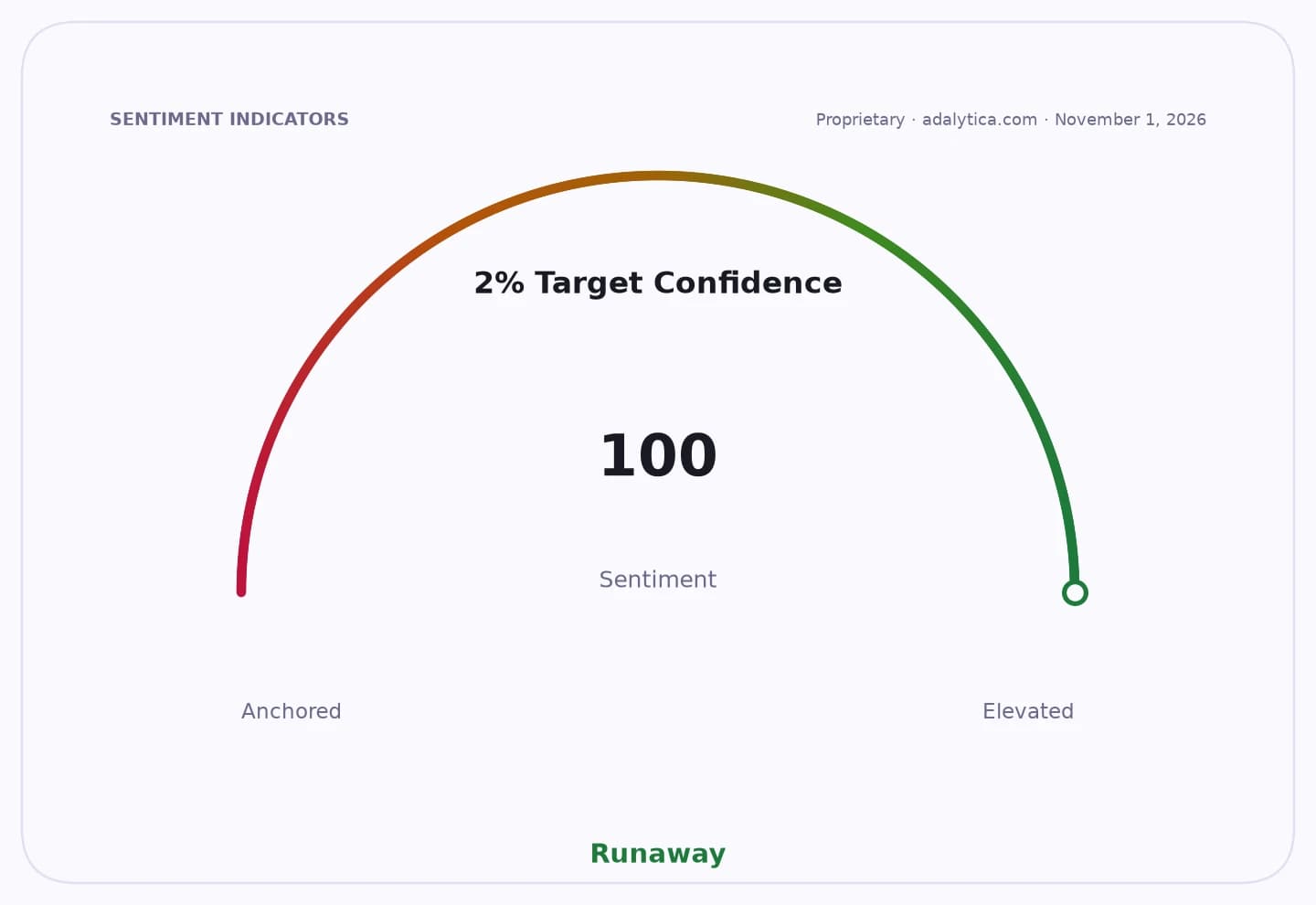
Sentiment Indicators
The plan also calls for Vietnamese products to keep more than 80% of shelf space in domestic supermarkets and shopping centres and above 60% in traditional distribution channels. For manufacturers, the government sees domestic market revenue rising 12% to 15% annually, underscoring the scale of the consumer opportunity for local brands, retailers and logistics firms.
E-commerce is a central part of the strategy. Hanoi wants online sales to grow 23% to 25% a year to reach $93 billion to $97 billion by 2030, or 18% to 19% of total retail and consumer service revenue. More than 70% of consumer-goods SMEs are expected to adopt e-commerce, while 45% of trade-sector SMEs are targeted to join major local and international platforms.
The programme goes beyond sales targets and into market structure. Authorities plan a national digital platform for Vietnamese goods to connect product authentication, traceability, quality assessments, distribution outlets and consumer feedback, alongside a unified identification system based on national standards. Officials also want at least five specialised online stores for Vietnamese products on major e-commerce platforms.
For investors, the biggest implication is that Vietnam is moving to formalise and scale a domestic consumption ecosystem that could benefit consumer staples, retailers, marketplaces, packaging, warehousing and payment providers. The policy tailwind also supports local producers competing against imported goods, while making e-commerce and omnichannel retail a more important battleground.
The government is also leaning on enforcement to support the shift. It plans tougher inspections against counterfeit goods, smuggling and origin fraud across physical and online channels, with law enforcement encouraged to use digital tools and artificial intelligence to detect violations. That should help legitimate brands that have long been pressured by fake and substandard products.
The next test is execution: whether Vietnam can translate policy support into higher household spending, broader SME digitalisation and more efficient distribution before 2030, while keeping consumer confidence high enough to sustain the growth target.
| Entity | Gains | Losses |
|---|---|---|
| Vietnamese retailers | ▲Higher foot traffic and online sales | ▼Slower adaptation by rivals |
| Domestic consumer brands | ▲More shelf space and trust | ▼Import-heavy competitors |
| E-commerce platforms | ▲More SME listings and traffic | ▼Informal offline sellers |
| Counterfeit operators | ▲None | ▼Tighter enforcement and AI detection |