Vietnam is set to overhaul its rice trade regime from Oct. 1, 2026, with new rules that keep the export market open to qualified traders but add clearer operating conditions, tighter oversight and more explicit grounds for losing the right to export.
Vietnam rice export rules tighten under new decree
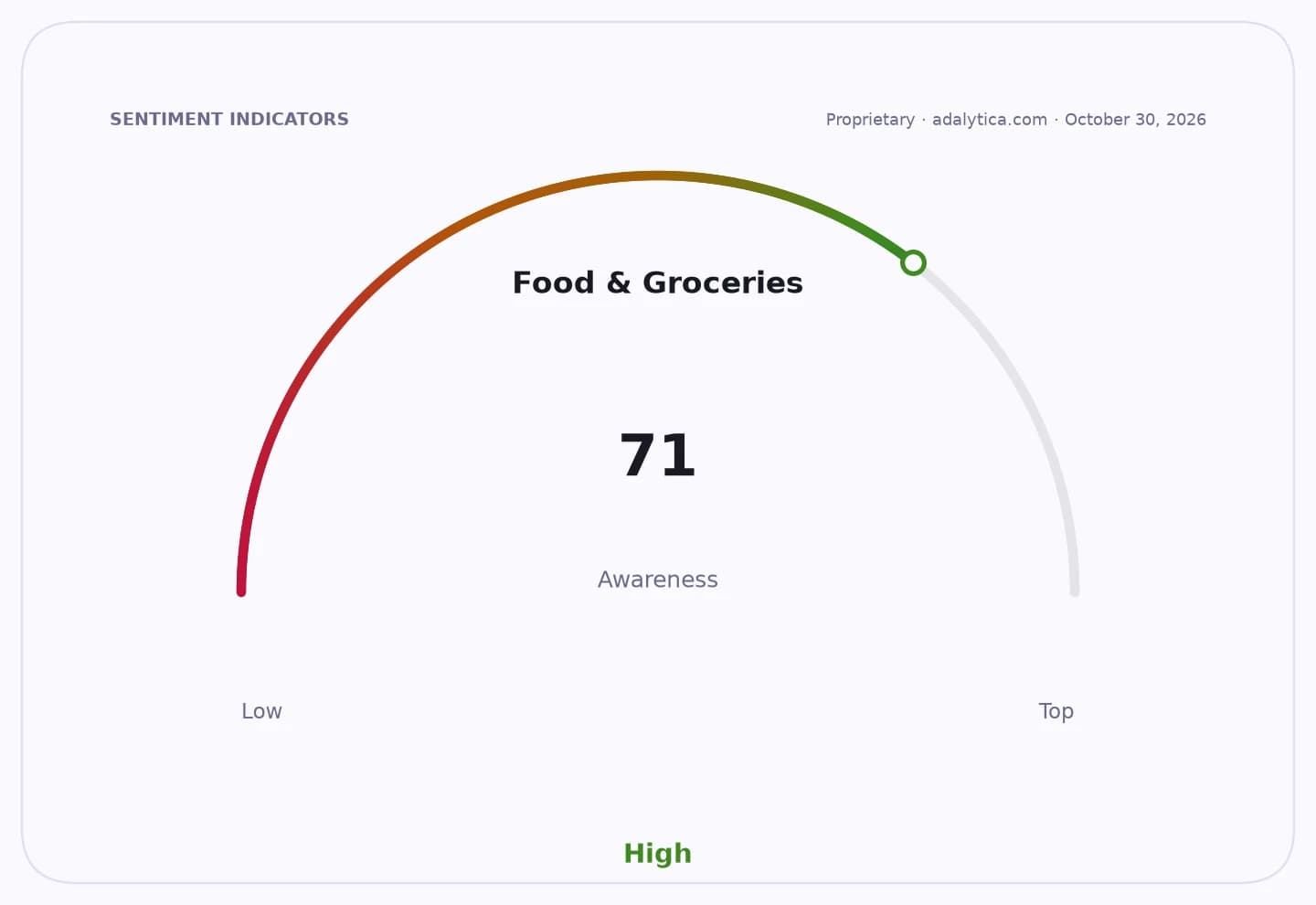
Food & Groceries
The decree matters because rice is one of Vietnam’s most important farm exports and a politically sensitive staple. By defining who can export, what infrastructure they must maintain and when licences can be revoked, the government is signaling a shift from broad participation toward a more tightly supervised trading system designed to protect food security, reduce fraud and improve traceability in a market exposed to volatile prices and regional supply shocks.
Sentiment Indicators
Food & Groceries
Under Decree 365/2026/ND-CP, only Vietnamese traders that meet the conditions and receive a certificate of eligibility may conduct rice exports or accept entrusted export contracts. Traders must have at least one dedicated warehouse for paddy or rice and one milling facility that meets food safety and technical standards, though both can be leased. The decree also gives the Ministry of Industry and Trade power to revoke certificates if a company is dissolved or insolvent, no longer meets the conditions, misrepresents its warehouse or milling assets, or fails to maintain required stockpiles.
The policy carve-out for organic rice, parboiled rice and fortified rice is economically meaningful. Those exporters will not need to meet the standard business conditions, hold a certificate, maintain circulation reserves or file the usual reports. That should lower barriers in higher-margin niches and encourage product diversification, even as the mainstream export channel becomes more regulated.
For investors and trade participants, the key implication is that the decree may favor larger, better-capitalized operators with real assets and compliance systems while squeezing smaller traders that relied on lighter infrastructure or agency arrangements. Leasing is permitted, which softens the capital burden, but the emphasis on dedicated storage, milling capacity and stock retention raises the cost of doing business and could consolidate market share around firms with stronger balance sheets.
The government has also imposed a new reporting requirement for importers, who must notify the Ministry of Industry and Trade of import plans and register those plans within 45 days of the decree taking effect. That adds visibility to inbound flows and suggests authorities want better control over supply management on both sides of the trade ledger.
The transition clause reduces immediate disruption: exporters already certified under the 2018 decree, as amended in 2025, can continue operating for the remaining life of their certificates without reapplying. That should limit near-term administrative friction, but the market will still watch how aggressively authorities enforce the new revocation standards and whether compliance costs begin to reshape trade flows.
For the broader rice market, the move comes as global grain trade remains sensitive to policy shifts, weather risk and price swings. More restrictive operating rules can support domestic supply stability, but they can also dampen margin expansion for exporters if compliance becomes costly or if revocations tighten available capacity. The winners are likely to be established exporters with integrated storage and milling assets; the losers are undercapitalized intermediaries, shell operators and firms that depended on flexible or loosely documented supply chains.
| Entity | Gains | Losses |
|---|---|---|
| Large certified exporters | ▲Higher barriers to entry | ▼Smaller rivals |
| Organic/value-added rice traders | ▲Easier market access | ▼Standard exporters |
| Regulators / food security policy | ▲Better oversight | ▼Less informal trade |
| Importers / traders with weak compliance | ▲Clearer rules | ▼Higher reporting burden |