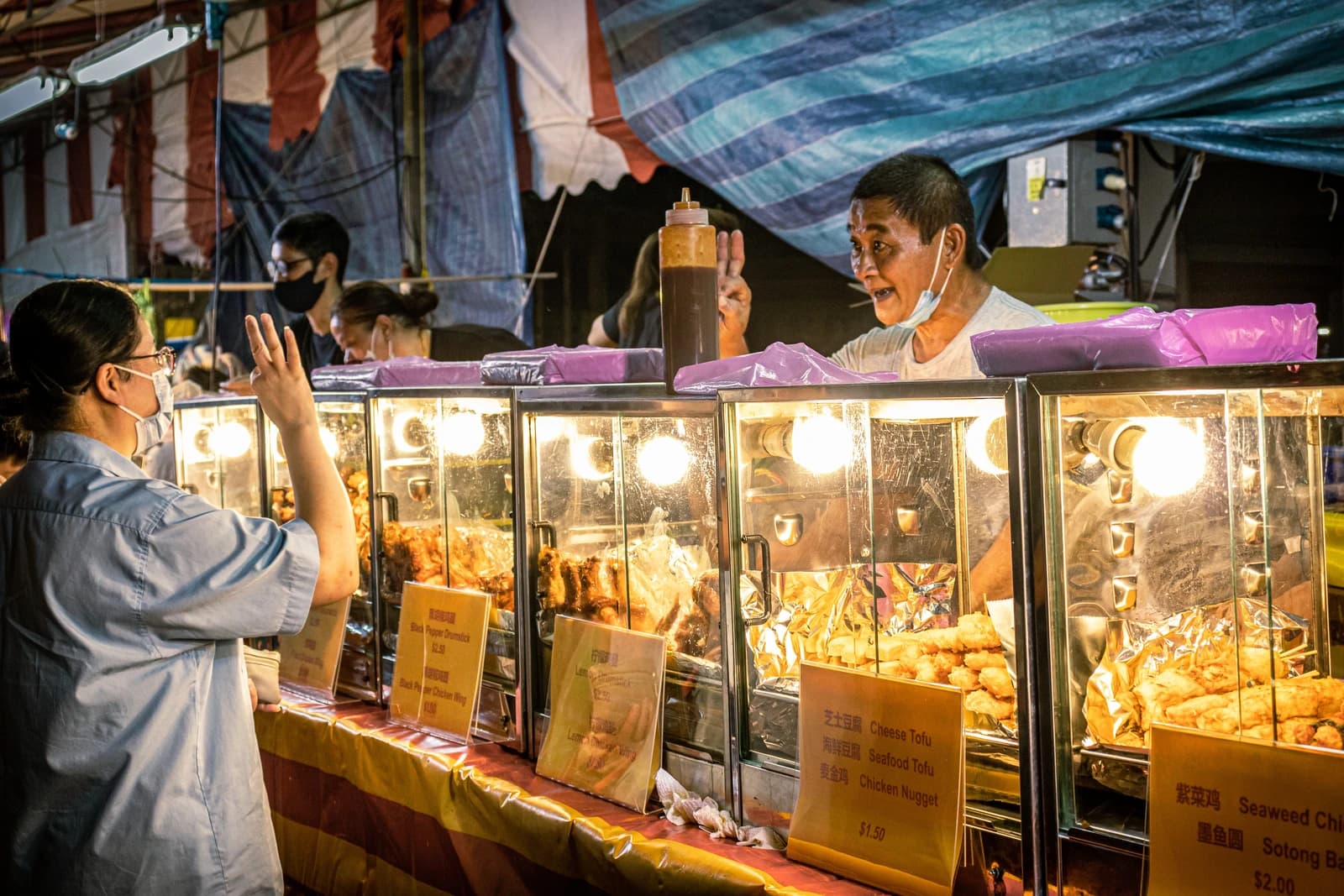
Rice prices are climbing in Vietnam even as other producing regions are struggling with excess supply, underscoring how uneven trade flows and policy restrictions are reshaping one of Asia’s most politically sensitive food markets.
Vietnam rice prices rise on stronger export demand
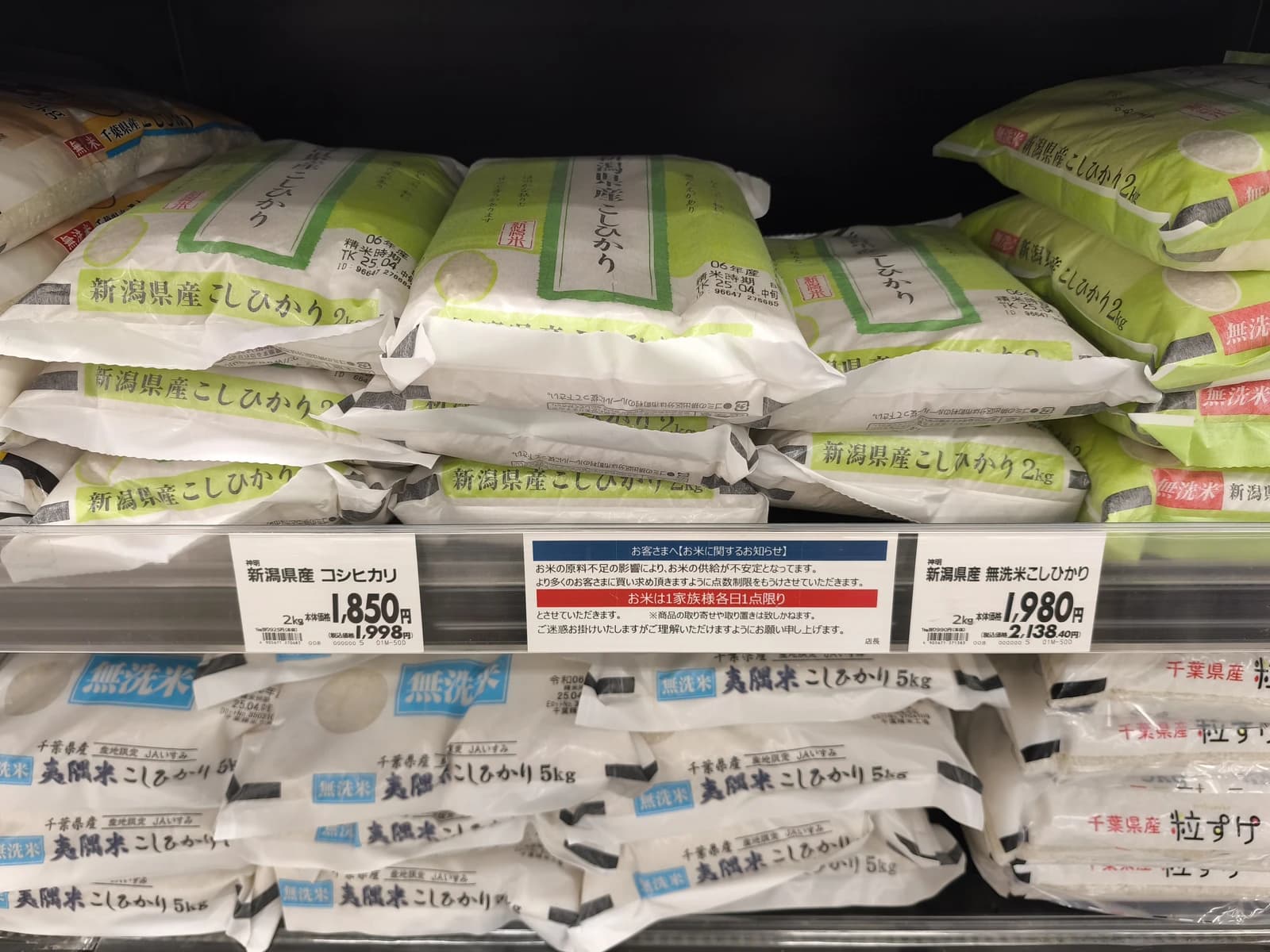
Raw rice in Vietnam has reached 10,000 dong a kilogram as of Aug. 13, reflecting firmer export demand after the country’s shipments rose to a 19-month high by Aug. 11. The strength matters because rice is a staple across much of Asia and a key cost item for households, so shifts in farm-gate prices quickly feed into food inflation, rural incomes and government pressure to keep supplies affordable.
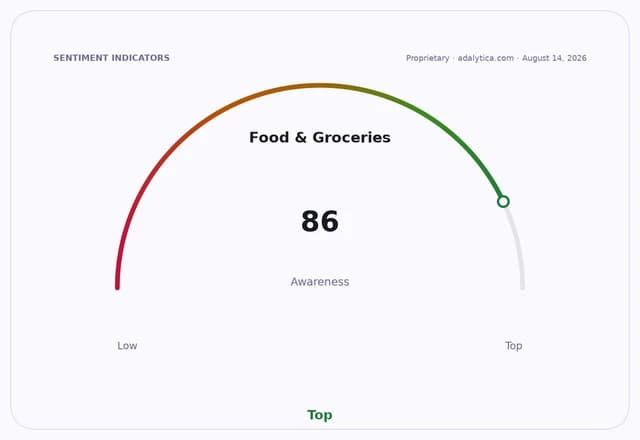
Sentiment IndicatorsⓘProprietary · adalytica.com · August 14, 2026
This is a snapshot — live sentiment, awareness and momentum for 130+ markets update continuously in the dashboard.Open AlphaPulse
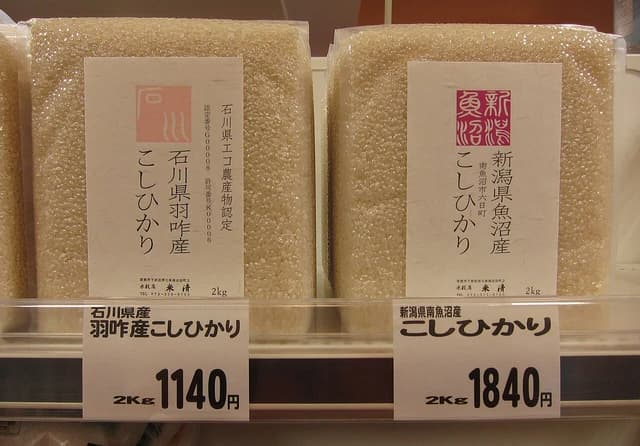
The latest move is being driven less by a broad-based global shortage than by a tightening in some regional channels and official intervention in others. Export restrictions on non-Basmati white rice have altered trade flows, while the Vietnam Food Association has urged companies to support minimum price levels to protect farmers. That combination has helped support domestic prices in Vietnam, even as the broader market remains fragmented.
For investors, the divergence is a reminder that rice is no longer just an agricultural story; it is a trade, inflation and policy story. Higher Vietnamese prices can improve near-term margins for exporters and traders with inventory, but they also raise the risk of demand rationing or policy pushback if domestic food costs accelerate. On the other side, farmers in regions facing falling prices and surplus stock are under pressure, which could force more state support or a sharper reset in planting decisions.
That split creates a mixed backdrop for agribusinesses. Merchants and exporters positioned in tighter origin markets stand to benefit from firmer pricing, while processors and buyers exposed to cheap surplus rice may see margin pressure or weaker local demand. The global grain trade has already shown how quickly weather, logistics and government action can flip supply-demand balances; rice is now following a similar pattern, with local policies amplifying market moves.
The key question for the coming weeks is whether export demand keeps pulling Vietnamese prices higher or whether larger regional surpluses and administrative measures drag the market back down. For now, the rice market is being pulled in two directions at once: scarcity and support in one region, oversupply and distress in another.
| Entity | Gains | Losses |
|---|---|---|
| Vietnamese rice farmers | ▲Higher farm-gate prices | ▼Price volatility |
| Rice exporters in Vietnam | ▲Stronger shipment margins | ▼Policy scrutiny |
| Consumers and importers | ▲Lower risk of shortages | ▼Higher food costs |
| Farmers in surplus regions | ▲Government support hopes | ▼Falling local prices |