Rice straw is moving from waste to resource, and that shift matters because it can lift farm income, cut environmental costs and open a new layer of value in the food and agriculture supply chain.
Vietnam Rice Straw Use Expands
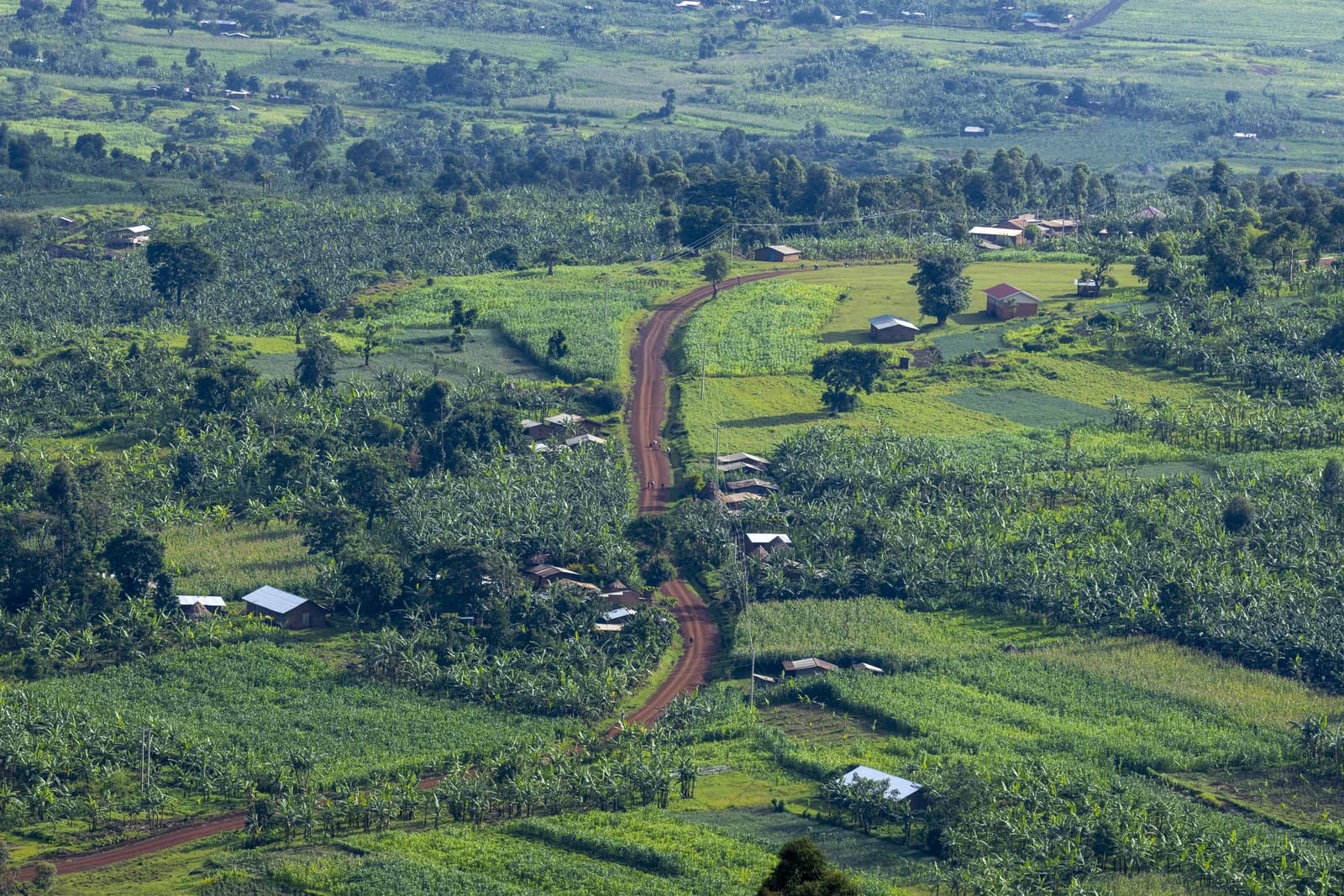
In Vietnam’s Mekong Delta, where rice production generates abundant straw after harvest, local models for using the residue are being held up as a practical example of circular agriculture. The basic idea is simple: instead of burning or discarding straw, farmers can turn it into inputs, animal feed, compost or other products that create another revenue stream. For growers, that can mean higher margins without needing more land. For the wider economy, it can mean less pollution and more efficient use of an already important crop.
Sentiment Indicators
That is why the story reaches beyond one province. As climate pressure, input costs and sustainability demands rise, agriculture is being pushed to do more with what it already produces. Rice straw fits that theme neatly. The economics are attractive because the residue is effectively free at the point of harvest, yet it can be monetized if collection, logistics and processing are built out. The environmental payoff is just as important: reducing open-field burning can improve air quality and support cleaner agricultural production, which matters for governments trying to balance food security with decarbonization goals.
Investors should see this as part of a broader secular trend rather than a one-off farm initiative. Companies tied to crop inputs, machinery and grain handling stand to benefit if circular agriculture becomes more commercialized. Deere, for example, already benefits from technology adoption on farms, while Archer-Daniels-Midland and Bunge are exposed to the flow of crops and byproducts moving through global supply chains. ADM has been emphasizing sustainability as a growth driver, and Bunge has repeatedly pointed to lower-carbon product opportunities. If rice straw and similar residues become scalable feedstocks, the winners will be companies able to collect, process and distribute them efficiently.
The challenge is execution. Straw is bulky, seasonal and expensive to move, so the economics depend on local infrastructure and reliable end markets. That means the opportunity will not be captured everywhere at once. Still, for long-term investors, the direction is clear: agriculture is slowly evolving from a linear model of production and disposal to a more circular one built around waste reduction and value recovery.
For investors, the takeaway is not to chase one headline, but to watch for companies that can turn agricultural residues into recurring cash flow. If circular agriculture keeps gaining traction, rice straw could become a small but meaningful example of how sustainability and profitability can reinforce each other over the next several years.
| Entity | Gains | Losses |
|---|---|---|
| Farmers in rice regions | ▲New income from straw | ▼Disposal and burning costs |
| ADM, Bunge | ▲Byproduct supply opportunities | ▼Less if circular models stall |
| Deere | ▲Equipment demand for residue handling | ▼Traditional low-tech farms |
| Environment and local communities | ▲Cleaner air, less waste | ▼Open-field burning pollution |