Vietnam’s decision to lift the official limit on small-value loans to 400 million dong from 100 million dong signals a shift in policy: authorities are trying to keep credit flowing to households and micro-businesses just as banks grow more cautious about lending.
Vietnam raises small-loan cap to support credit flow
That matters because personal credit is often the first place a slower economy shows strain. When lenders tighten approval standards, cap exposure or push up pricing, borrowers do not just lose convenience — they lose working capital for consumption, inventory and day-to-day operations. In Vietnam’s case, the higher ceiling is meant to ease access to bank funding for individuals, business households and micro-enterprises at a time when repayment pressure is rising and formal credit remains harder to get.
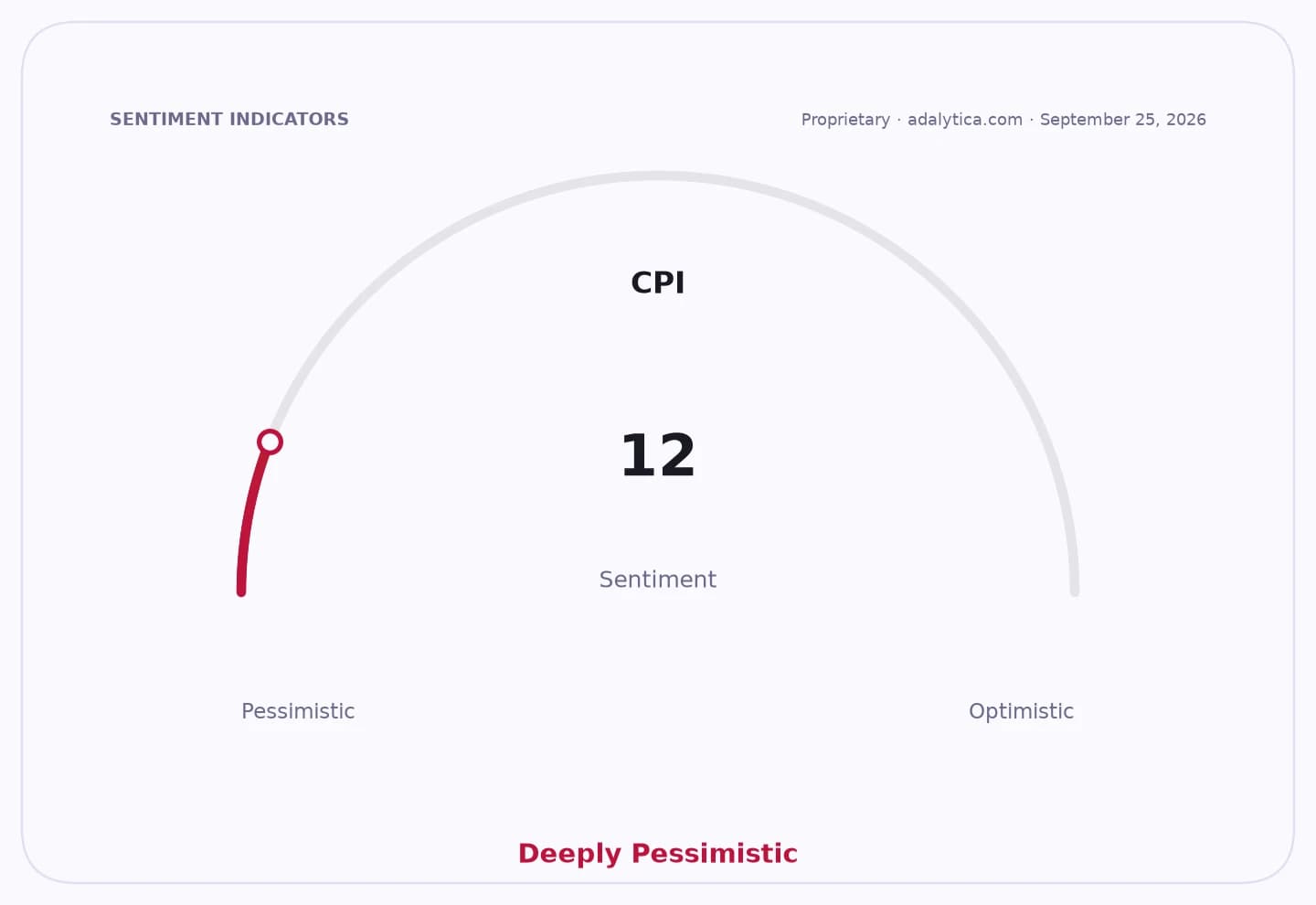
Sentiment IndicatorsⓘProprietary · adalytica.com · July 22, 2026
This is a snapshot — live sentiment, awareness and momentum for 130+ markets update continuously in the dashboard.Open AlphaPulse
The move also underscores the central tension in personal lending. Cheaper and easier credit can support growth, but prolonged tight or expensive borrowing can push households into distress and leave banks stuck between supporting customers and protecting asset quality. The policy response suggests regulators see enough strain in the system to broaden access, rather than wait for credit conditions to improve on their own.
That is consistent with a broader financial backdrop in which credit markets remain selective. The U.S. high-yield spread, a common gauge of risk appetite, has narrowed to about 2.7 percentage points, while the Federal Reserve’s policy rate remains around 3.63%, still high enough to keep financing costs meaningful. In equity markets, financials have outperformed the broader market recently, with the Financial Select Sector SPDR up sharply and major bank and regional bank ETFs trading above their longer-term moving averages, reflecting expectations that loan demand and margins can hold up even as credit quality becomes more important.
For investors, the key question is not whether more credit is available, but who absorbs the risk. Lenders can benefit from higher volumes if underwriting holds, but borrowers gain only if the new borrowing finances productive activity rather than refinancing existing stress. The danger in personal credit is that easy access can disguise weakening repayment capacity until losses surface later.
The Vietnamese change is therefore more than an administrative tweak. It is a signal that policymakers want personal credit to act as a cushion for growth, but it also shows how fragile consumer and small-business borrowing can become when banks start rationing capital. The next test will be whether the wider loan limit translates into real disbursement, stronger activity and manageable default rates — or simply postpones the stress already building in household balance sheets.
| Entity | Gains | Losses |
|---|---|---|
| Borrowers | ▲Easier access to cash | ▼Higher debt burden |
| Banks | ▲More loan demand | ▼Greater credit risk |
| Small businesses | ▲Working-capital support | ▼Tighter underwriting scrutiny |
| Regulators | ▲Short-term growth support | ▼Asset-quality pressure |