Vietnam is moving to tighten social insurance policy around technology vehicle drivers, a step that could reshape costs for ride-hailing platforms, improve worker protections and broaden the state’s reach into the fast-growing gig economy.
Vietnam reviews social insurance for ride-hailing drivers

Deputy Prime Minister Pham Thi Thanh Tra has signed off on a decision to implement conclusions from General Secretary and President To Lam on social security and support for vulnerable groups, with one key focus: researching who should pay social insurance for app-based drivers. For employers and platform operators, that raises the prospect of new mandatory labor obligations in a segment built on flexible, low-friction hiring.

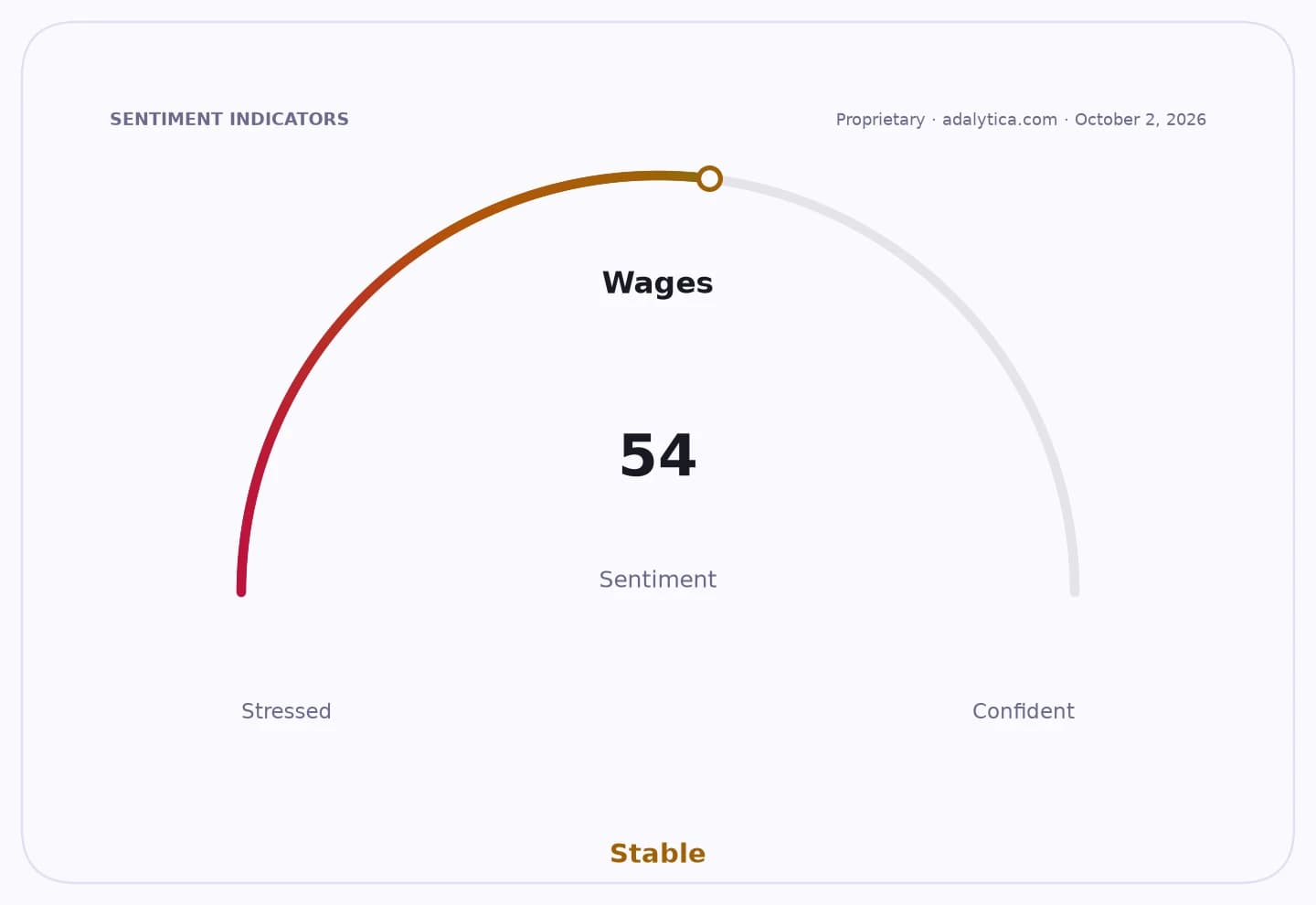
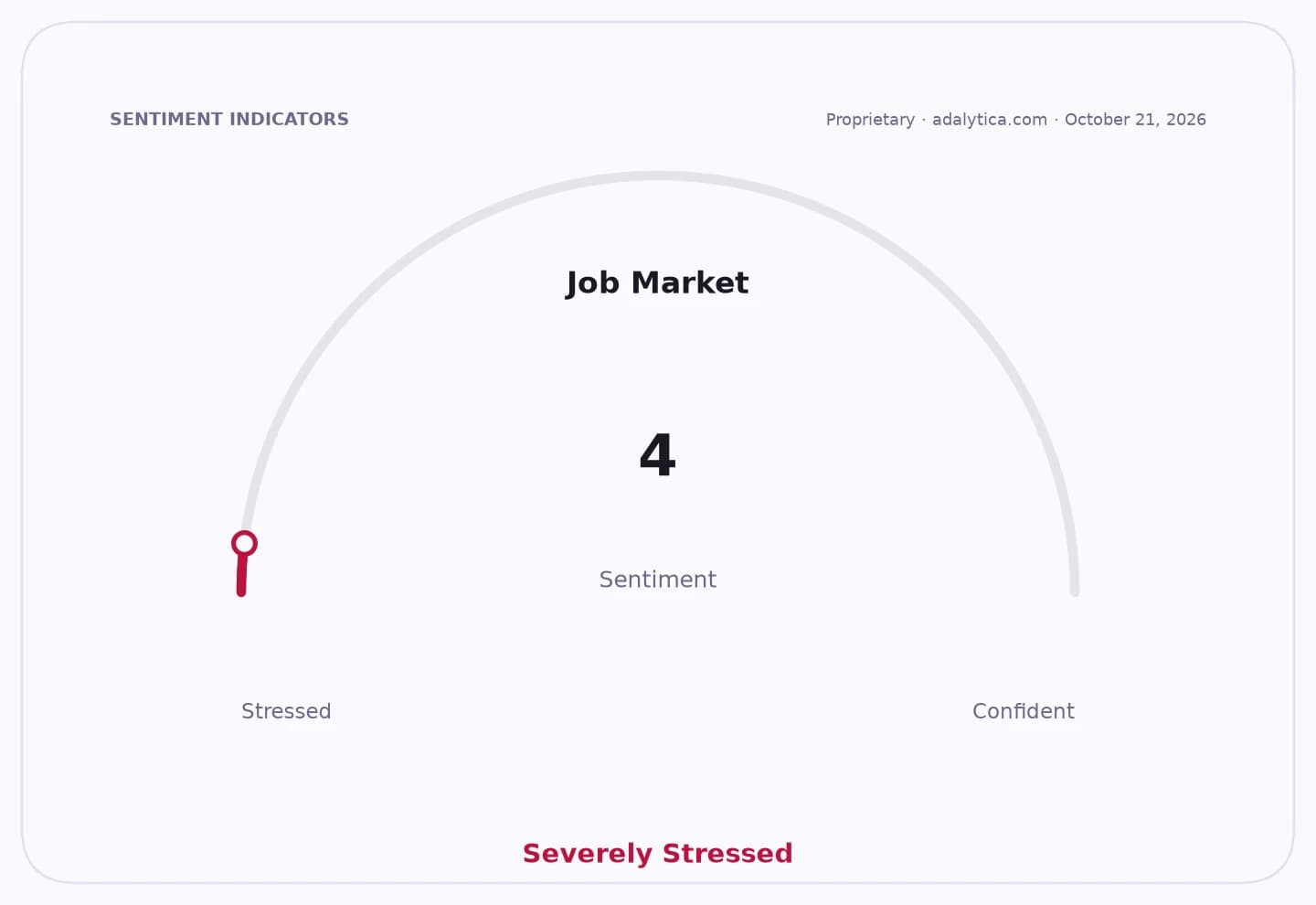
The timing matters economically because Vietnam is trying to modernize its safety net while keeping its labor market competitive. Official data show unemployment at 4.2% in September, up from 4.1% in July and August, while the consumer price index rose 0.65% on the month and was up 3.6% from a year earlier, underscoring a labor market that is still relatively tight but facing living-cost pressure.
Employers are likely to push for clarity on whether drivers are treated as dependent workers or independent contractors, since the answer affects payroll costs, compliance and pricing. If the government moves toward broader social insurance coverage, platforms could face higher operating expenses or have to rework contract structures, potentially feeding through to fares, driver earnings and margins.

The policy push also fits a wider agenda of expanding social protection to workers in newer business models. Employment has continued to edge higher, with nonfarm payrolls at 159.044 million in September, but the more consequential issue for investors is how quickly Hanoi turns policy intent into enforceable rules.
Attention now shifts to the next meeting between government officials and employers, where the scope of any contribution requirements and implementation timetable will determine whether the move becomes a limited welfare adjustment or a more costly labor-market overhaul.
| Entity | Gains | Losses |
|---|---|---|
| Government | ▲Broader social protection reach | ▼Faster compliance burden |
| Tech ride-hailing drivers | ▲Potential insurance coverage | ▼Less take-home pay if contributions rise |
| Platform operators | ▲Clearer rules over time | ▼Higher labor and compliance costs |
| Employers generally | ▲More policy certainty | ▼Higher payroll obligations |