General Secretary and President To Lam’s upcoming trip to the US and Canada is set to sharpen Vietnam’s push to deepen economic and strategic ties with two of its most important partners as Hanoi seeks more investment, technology transfer and export-market resilience.
Vietnam's To Lam to Visit US, Canada in 2026
The Vietnamese leader will attend the high-level general debate at the 81st session of the UN General Assembly, hold bilateral meetings in the US and make a state visit to Canada from Sept. 20 to 25, 2026, the Foreign Ministry said. The itinerary comes as multilateral cooperation faces growing strain, putting added weight on Vietnam’s message in New York and on the bilateral talks that follow.
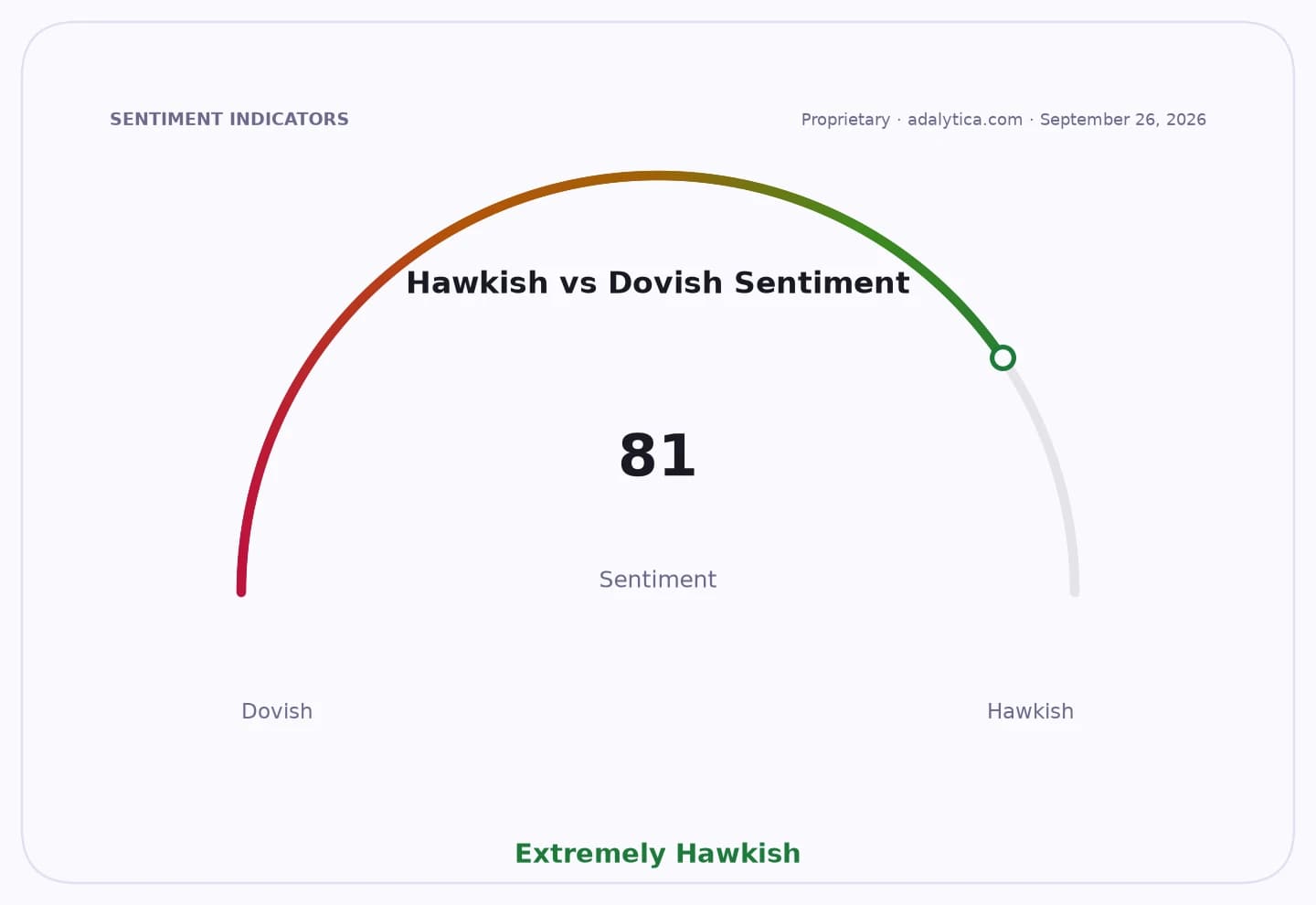
Sentiment IndicatorsⓘProprietary · adalytica.com · September 19, 2026
This is a snapshot — live sentiment, awareness and momentum for 130+ markets update continuously in the dashboard.Open AlphaPulse
For investors, the trip matters because Vietnam is working to turn upgraded diplomatic ties into concrete commercial outcomes. Hanoi said relations with the US remain on a positive trajectory, with political ties strengthening and trade and investment continuing to grow, while defense cooperation, war legacy remediation and science and technology links have widened into semiconductors, artificial intelligence, nuclear energy and high-quality labor training.
That mix is economically important for a country trying to move up the value chain while preserving access to major markets. Stronger ties with Washington could support Vietnamese exporters and manufacturers at a time when global supply chains remain sensitive to tariffs and trade restrictions, while deeper technology cooperation may help Vietnam attract higher-value foreign direct investment.
Canada adds a separate growth angle. Hanoi said the two countries still have room to expand beyond a stable comprehensive partnership, pointing to shared priorities in energy, strategic minerals, AI and high-tech agriculture on one side and industrial upgrading, the digital economy and the green economy on the other.
The trip also has diplomatic value beyond bilateral economics. Vietnam is seeking a larger role in UN affairs and wants to underline support for multilateralism at a time of rising geopolitical fragmentation. That could strengthen its standing with global firms and governments that favor predictable, rules-based trade and investment frameworks.
In markets, the narrative is straightforward: the visit is another test of whether Vietnam can convert rising geopolitical relevance into stronger capital inflows, broader market access and longer-duration technology partnerships. The next catalysts are likely to come from any joint statements, investment pledges or sector-specific agreements announced during the US and Canada stops.
| Entity | Gains | Losses |
|---|---|---|
| Vietnam | ▲investment, tech access | ▼diplomatic friction risk |
| US firms | ▲supply-chain diversification | ▼tariff uncertainty |
| Canadian companies | ▲energy, minerals, AI cooperation | ▼slower deal flow if talks stall |
| Competing exporters | ▲market share pressure | ▼Vietnam trade upgrade |