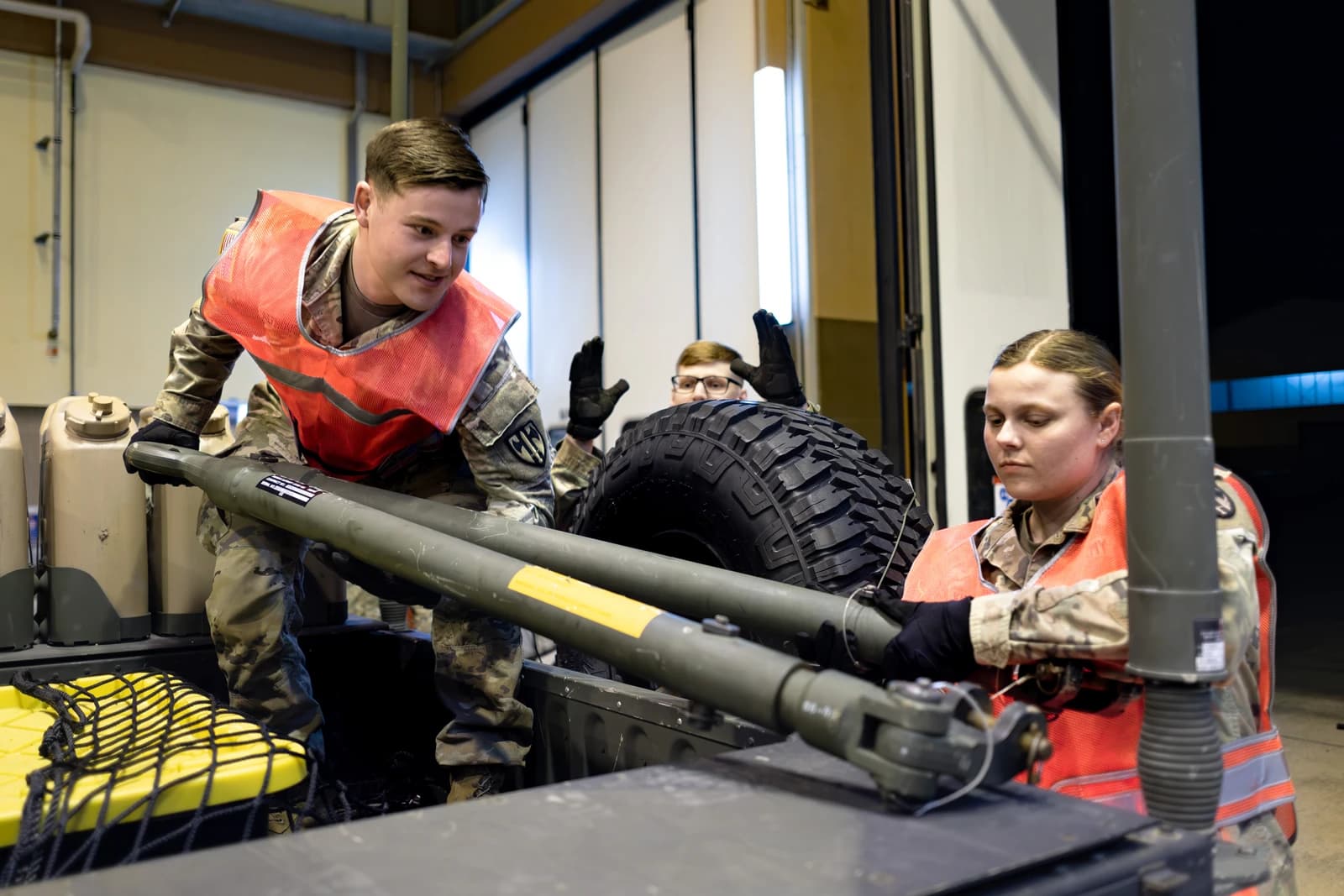
A Vietnamese university’s decision to weave artificial intelligence into both teaching and administration is a small-scale example of a much larger shift in higher education: schools are moving from treating AI as an elective topic to using it as core infrastructure for learning, reporting and decision-making.
Vietnam University Adopts AI for Teaching and Admin

The clearest economic significance is productivity. At the Eastern University of Technology in Vietnam’s Dong Nai province, rector Nguyen Quoc Hung said AI has cut the time needed to compile management reports from two to three weeks to just one to two days. That kind of efficiency gain matters because universities, like companies, are under pressure to do more with leaner staff and tighter budgets. Faster access to data also improves the quality of institutional decisions, allowing leaders to redirect time away from repetitive work toward strategy, student outcomes and program planning.
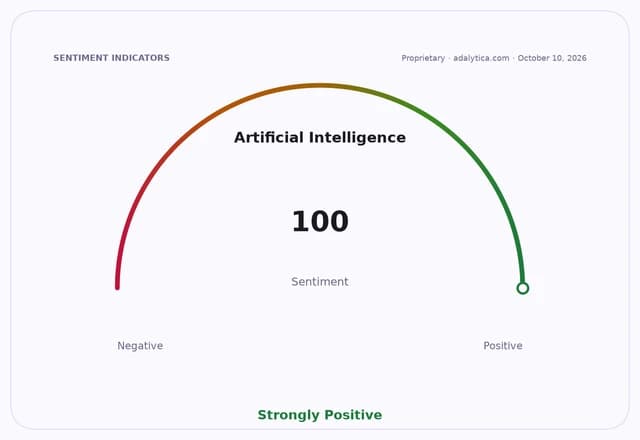
Sentiment IndicatorsⓘProprietary · adalytica.com · October 10, 2026
This is a snapshot — live sentiment, awareness and momentum for 130+ markets update continuously in the dashboard.Open AlphaPulse
The school’s approach is not limited to back-office automation. It is embedding AI skills from students’ first year and across all subjects, with explicit outcomes tied to the ability to use AI in coursework and projects. That reflects a broader labor-market reality: employers are increasingly looking for graduates who can work in AI-enabled environments, not just understand the theory. For students, the advantage is employability; for universities, it is differentiation. Schools that can show graduates are fluent in AI-first workflows may gain an edge in recruitment and reputation.
The university is also extending training to teachers and administrators at high schools in Dong Nai and nearby provinces, turning its model into a community outreach strategy. That matters because AI adoption in education is still uneven, especially outside major urban centers. Early training can reduce the risk that students arrive at university unprepared for AI-heavy curricula, while also helping schools develop a more critical approach to the technology. Hung stressed that AI should be treated as an assistant, not a replacement for human judgment, and warned against overreliance that can erode independent thinking.
The narrative is one of education systems trying to catch up with a workplace already being reshaped by AI. In Vietnam, where private universities are competing for students and seeking stronger links with industry, integrating AI into both the classroom and management chain is becoming a strategic tool rather than a branding exercise. The school said it aims to digitize 100% of management activities by 2027, a target that suggests AI is being tied to longer-term institutional redesign rather than pilot projects.
For investors and markets, the immediate relevance is indirect but real. AI adoption in education is part of the broader demand cycle supporting software, cloud infrastructure and hardware suppliers, while also shaping the future talent pipeline for tech companies and industrial employers. The question for institutions is whether AI improves outcomes enough to justify the organizational overhaul. The bull case is stronger student readiness, faster administration and better strategic planning. The bear case is that schools adopt the tools faster than they build governance, verification and critical-thinking safeguards.
What to watch next is whether more Vietnamese universities follow with similar programs, and whether the effort translates into measurable gains in student performance, graduate placement and operating efficiency. If it does, AI in education may move from showcase project to standard operating model.
| Entity | Gains | Losses |
|---|---|---|
| Eastern University of Technology | ▲Faster management, stronger differentiation | ▼Legacy manual processes |
| Students | ▲AI skills, employability | ▼Passive learning habits |
| High schools in Dong Nai | ▲Early AI training, smoother transition | ▼Slow-to-adapt curricula |
| Employers | ▲More AI-ready graduates | ▼Graduates without digital skills |