Vietnam is making a more urgent case for vocational education: young people can no longer rely on traditional skills alone if they want durable jobs and rising incomes in an economy being reshaped by digitalization, AI and greener industry.
Vietnam vocational education push for AI jobs

That message was front and center in Hanoi on Oct. 22, when the Ministry of Education and Training’s vocational and continuing education department, together with Báo Giáo dục và Thời đại, launched the 2026 online “Choose a Career, Choose a Future” contest and a companion writing competition on digital pioneers in villages. The initiative is more than a school event. It is a signal that policymakers increasingly see workforce readiness, not just classroom attainment, as the real test of education policy.
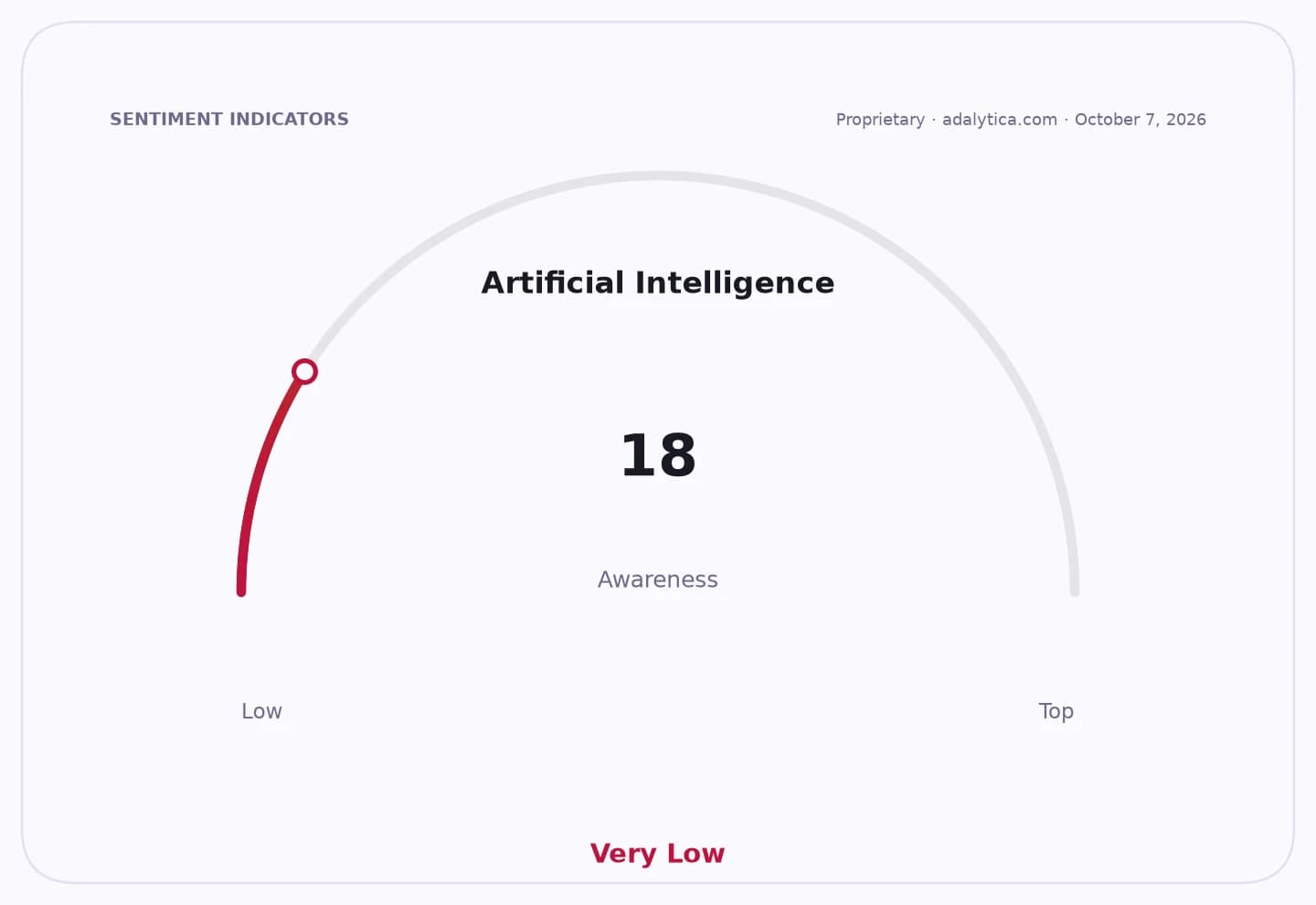
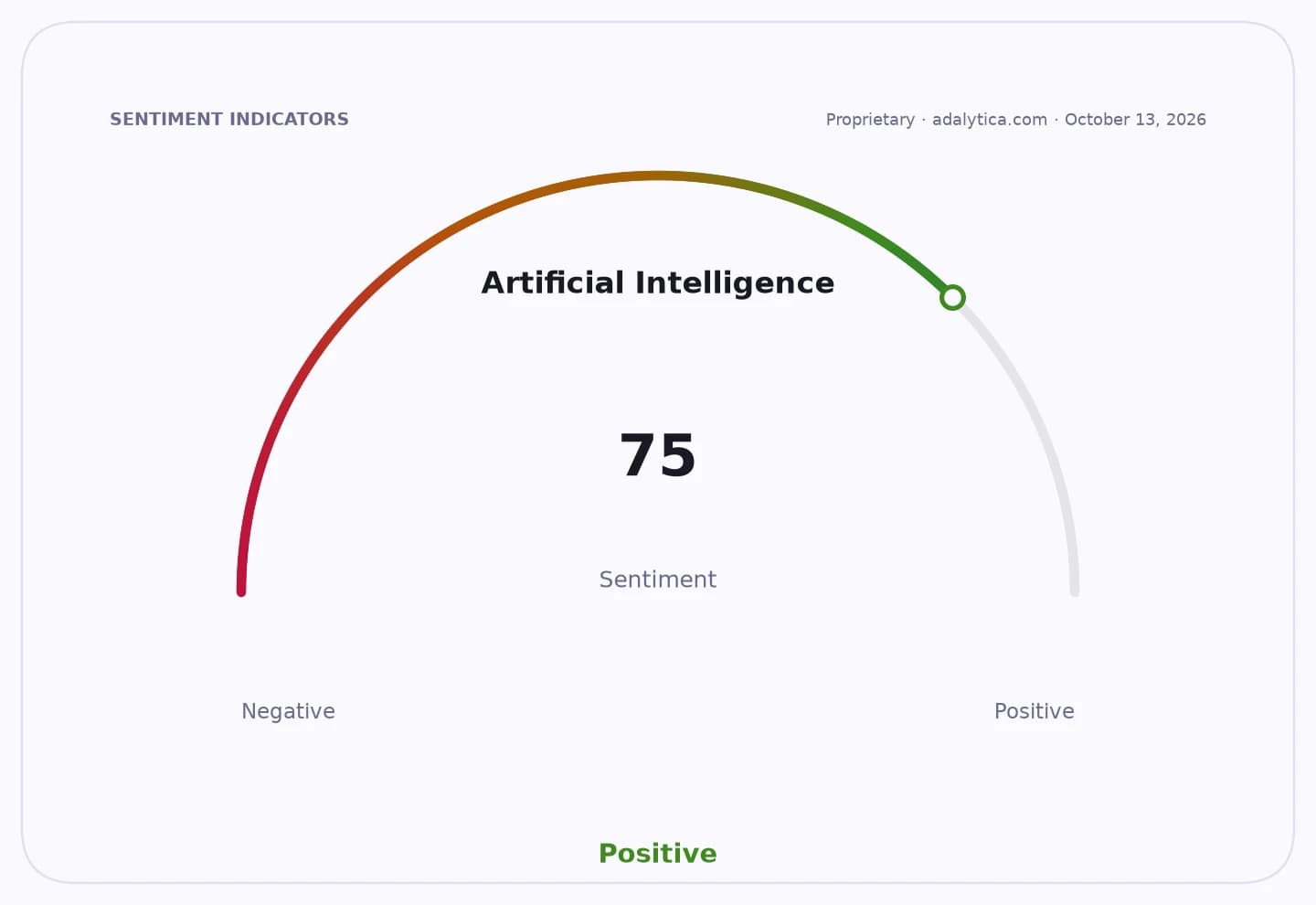
Sentiment Indicators
Artificial Intelligence
The economic logic is straightforward. Vietnam needs a labor force that can move beyond manual work and into jobs that support manufacturing upgrades, digital services, AI adoption and the country’s broader green transition. Trần Thanh Đạm, director of the ministry unit, said vocational training must be tied to real employment and sustainable livelihoods, and that young workers need digital thinking, responsible AI application, problem-solving skills, collaboration and lifelong learning. In other words, the country is trying to future-proof its workforce before automation and digital tools make older skill sets obsolete.
That matters for investors because labor quality is one of the most important drivers of long-term productivity, wages and corporate margins. Countries that train workers for higher-value roles tend to attract more investment, support more resilient domestic consumption and build stronger industrial supply chains. For companies operating in Vietnam, a more AI-literate and digitally capable workforce can improve efficiency, reduce training costs and widen the talent pool for technology-heavy sectors.
The contest format itself reflects where the jobs are moving. Entries are short videos built around three broad tracks: digital technology and digital creativity; engineering, technology and smart green production; and modern services plus care work. Those categories map neatly onto the kinds of sectors likely to absorb more workers as Vietnam upgrades its economy. The writing contest, meanwhile, focuses on digital transformation and legal education in ethnic minority and mountainous regions, where better access to information can improve both employability and local commerce.
That rural angle is important. In remote areas, digital skills can help young people search for training, find jobs, market local goods and connect to wider markets without leaving their communities. For an emerging economy, that is not just social policy. It is a way to broaden participation in growth and reduce the risk that the digital divide becomes an income divide.
The ministry also linked the contest to Politburo Resolution 71, which emphasizes vocational education as a pillar of high-skilled labor development and calls for broad digital transformation in education, including AI use. That gives the effort political backing and suggests this is not a one-off campaign but part of a larger national push to modernize how Vietnam prepares workers.
For investors, the takeaway is simple: the AI story is not only about chips and software. It is also about the workforce that can use those tools productively. Vietnam is betting that career choice, digital literacy and AI application skills will determine who prospers in the next decade. That is a trend worth watching, especially for long-term investors who care about the quality of growth, not just the speed of it.
| Entity | Gains | Losses |
|---|---|---|
| Vietnamese students and workers | ▲Better job readiness | ▼Outdated skill sets |
| Employers in digital, green and services sectors | ▲Larger talent pool | ▼Higher training burden |
| Rural and ethnic minority communities | ▲Better market access | ▼Digital exclusion |
| Traditional low-skill labor models | ▲— | ▼Long-term relevance |