New housing supply in Vilnius’ Pashilaičiai district has more than tripled this year, turning the suburb into one of the capital’s most important battlegrounds for buyers, developers and pricing power.
Vilnius Pashilaičiai housing supply triples
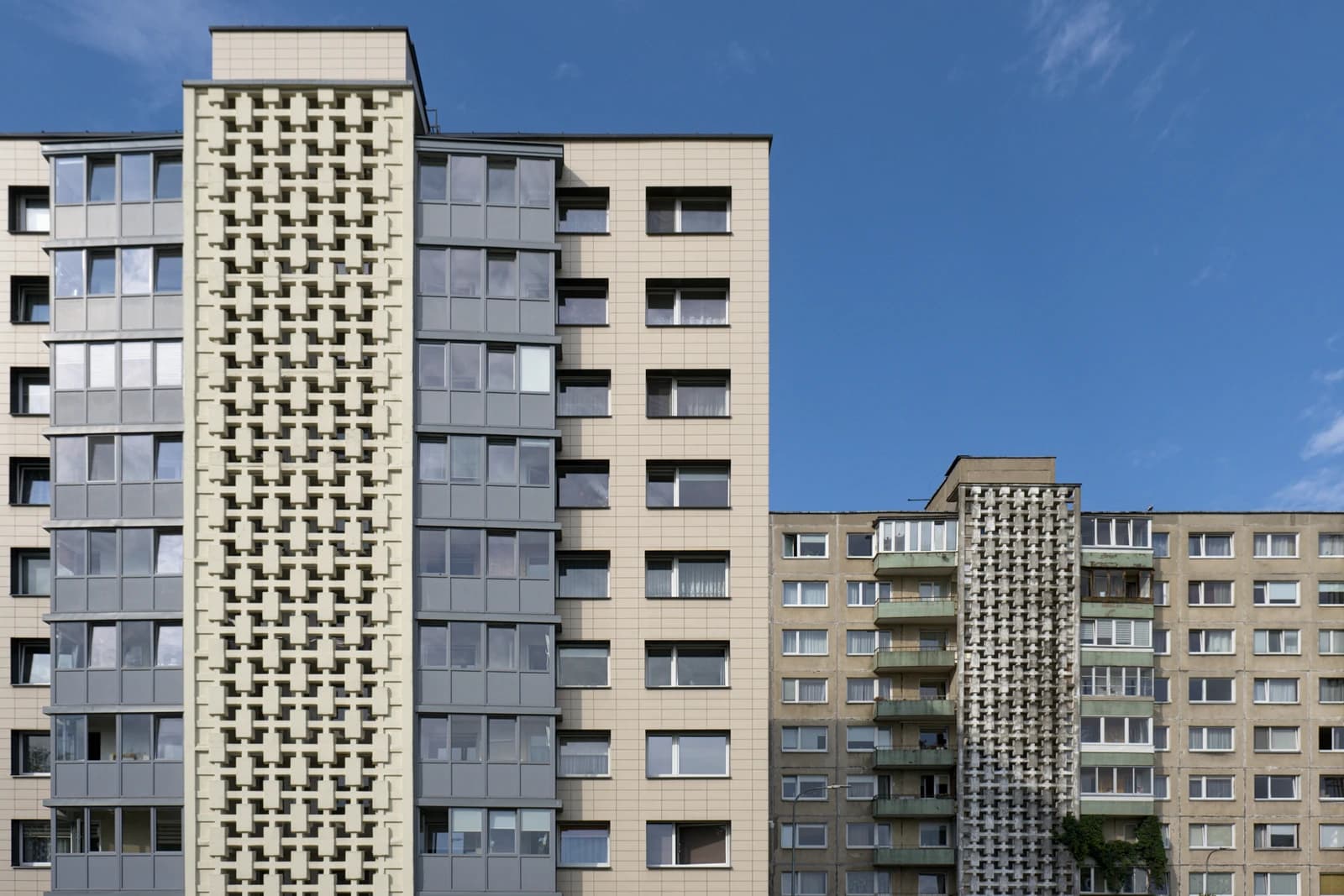
The surge matters because it shows how fast new residential pockets can reshape a city’s primary housing market. By early September, buyers were being offered 1,031 new apartments in Pashilaičiai, almost a fifth of all new-home listings in Vilnius’ primary market. That is not just a local spike in inventory: it signals a structural shift in where the capital is growing, with developers increasingly building entire residential clusters on former warehouse, garage and other non-residential land.
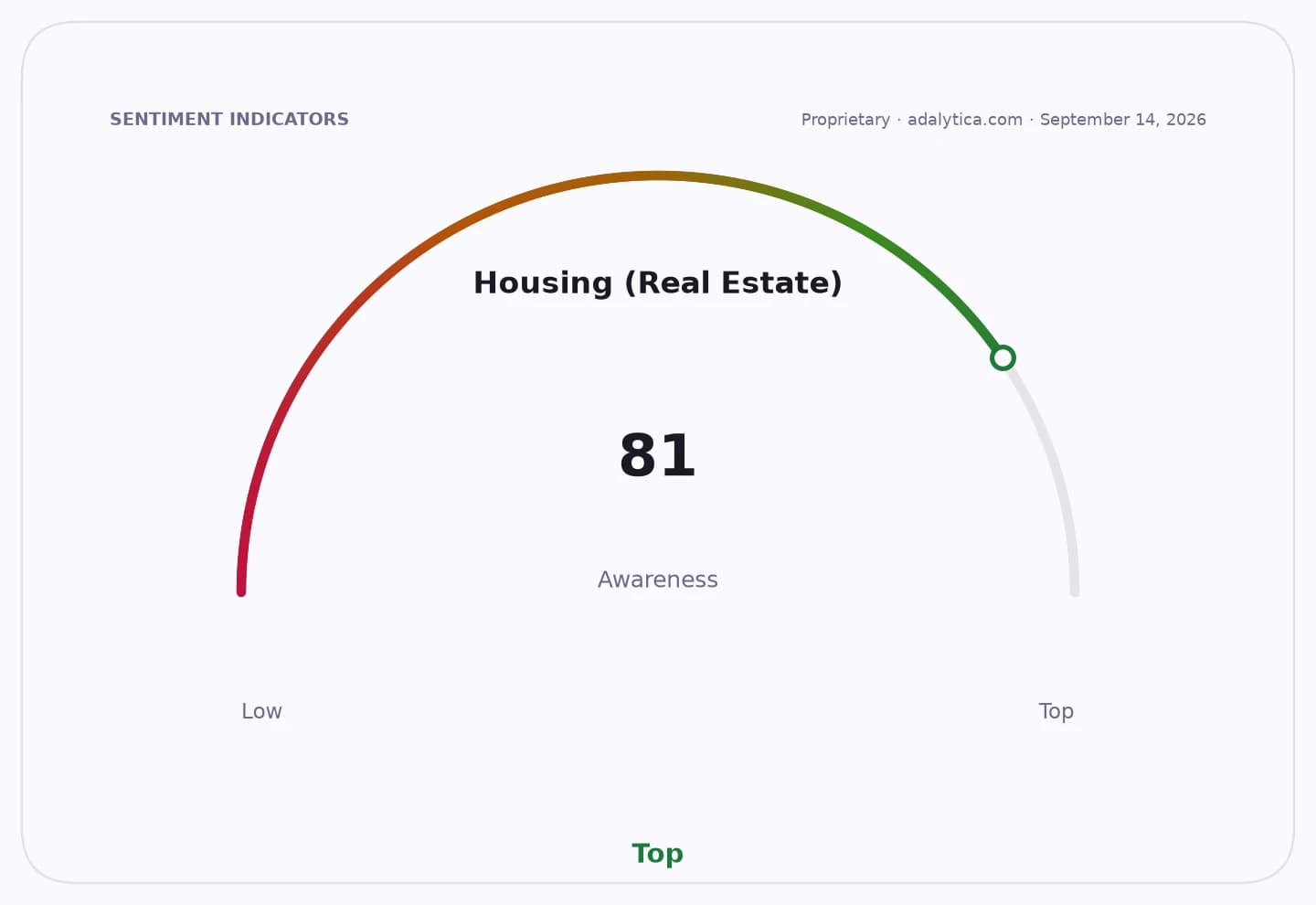
Sentiment IndicatorsⓘProprietary · adalytica.com · September 27, 2026
This is a snapshot — live sentiment, awareness and momentum for 130+ markets update continuously in the dashboard.Open AlphaPulse
EIKA Development said 1,229 new apartments were added to the district in the first eight months of the year, more than twice the 541 units offered in all of 2025. Most of the new projects are concentrated around Justiniškių and Pumpėnų streets, as well as Grigalaukio, Perkūnkiemio, Leičių, Duisburgo and Pušaloto streets. In practical terms, the district is moving from infill development to large-scale urban expansion, which typically brings faster supply growth, more direct competition among projects and a broader range of price points for buyers.
That matters for the economics of Vilnius housing because supply has been meeting demand at the same time. Pashilaičiai recorded 478 new-apartment sales last year, and 435 more units had been sold in the first eight months of this year, already more than 90% of the full-year 2025 tally. Its share of total Vilnius primary-market sales rose to 11.5% in January-August from about 5% in 2024 and 8% in 2025, underlining how quickly the district has gained weight in the capital’s transaction market.
The market is not yet in balance, though. About 91% of the available apartments in Pashilaičiai are still under construction, leaving only 97 units in completed or nearly completed projects. That suggests competition for buyers is likely to remain intense in the coming quarters, especially if mortgage costs stay elevated and purchasers remain selective. Across housing markets, rising inventory can cap pricing in mature areas, but in fast-growing districts it can also support sales volumes by offering more choice and drawing demand from neighboring neighborhoods.
Prices have still moved higher. The average new-home price in Pashilaičiai stood at about 3,460 euros per square meter in early September, nearly 10% above a year earlier and around 31% higher than in 2024. For buyers, that means more supply has not yet translated into lower costs. For developers, it implies demand is strong enough to absorb new projects even as the pipeline swells. The risk is that if completions accelerate faster than absorption, the district could face a sharper competition phase that squeezes margins and forces discounts.
For investors and housing-market participants, the key takeaway is that Pashilaičiai is becoming a larger and more liquid part of Vilnius’ residential market, but one still heavily reliant on units under construction. That combination usually favors developers with strong execution and financing, while making late-cycle pricing power harder to defend if broader demand softens.
| Entity | Gains | Losses |
|---|---|---|
| Pashilaičiai developers | ▲Higher sales volume | ▼Tighter future pricing power |
| Homebuyers | ▲More choice | ▼Still-high prices |
| Vilnius housing market | ▲Stronger supply depth | ▼Greater project competition |
| Landowners converting non-residential plots | ▲Higher development value | ▼Loss of alternative-use land |