Virginia’s move to require AI data centers to finance dedicated power infrastructure shifts a fast-growing part of the grid bill away from households and onto the tech companies driving the load surge, a policy that could shape how the U.S. pays for the electricity demands of artificial intelligence.
Virginia data centers must fund dedicated power infrastructure
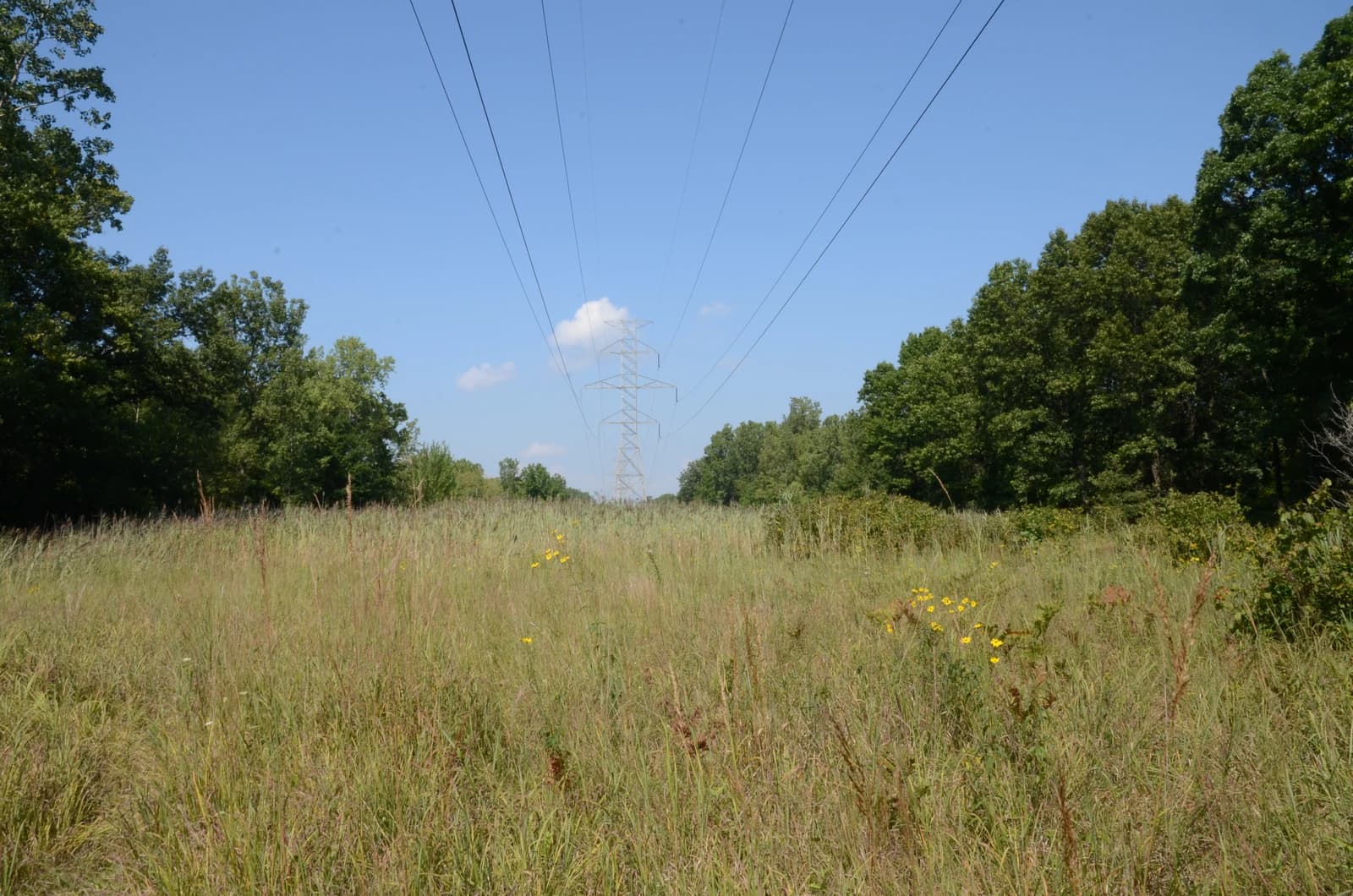
The stakes are economic as much as political. Data centers are turning into one of the biggest new sources of electricity demand just as utilities are already wrestling with constrained transmission, long lead times for equipment and higher capital costs. If the new load is folded into general rates, ordinary consumers can end up subsidizing a buildout that primarily serves hyperscalers and AI developers. Virginia’s approach is designed to stop that transfer, while still allowing utilities to expand the grid where demand is real and contractual.
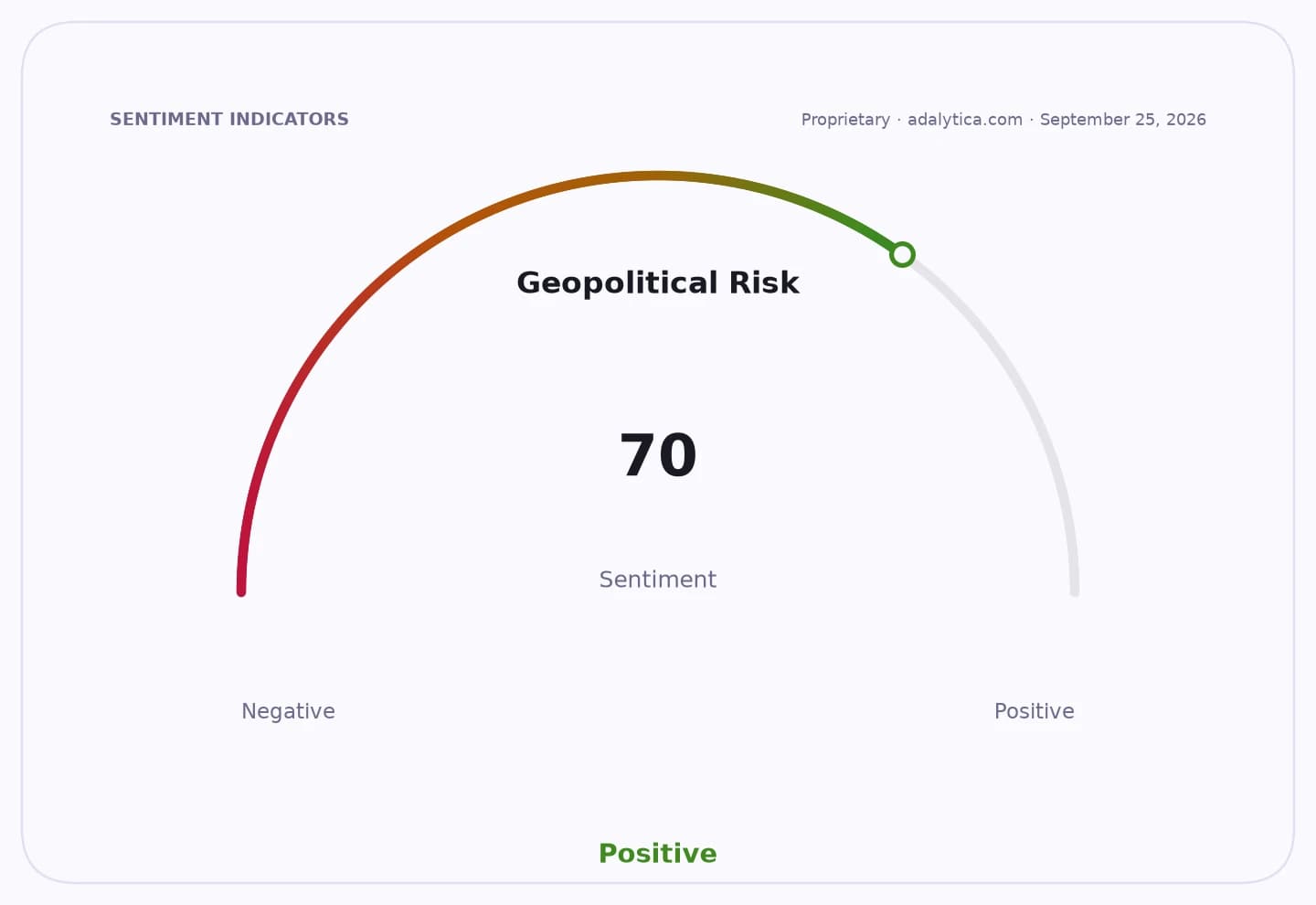
Sentiment IndicatorsⓘProprietary · adalytica.com · August 11, 2026
This is a snapshot — live sentiment, awareness and momentum for 130+ markets update continuously in the dashboard.Open AlphaPulse

The policy arrives as utilities and regulators confront the physical cost of the AI boom. Duke Energy said in its latest filing that demand tied to data center development remains a significant contributor to projected load growth, and that it is expanding service agreements with financial protections. Microsoft said in its annual report that its infrastructure depends on predictable and affordable energy, while warning that power availability, connection delays and rising costs are tightening around datacenter expansion. Amazon has made similar disclosures about the scale and expense of infrastructure investment.
For investors, the question is who captures the economics of the AI buildout and who bears the risk. Utilities stand to win if they can secure long-dated contracts, customer-backed spending and rate-base growth without socializing too much of the cost. But their returns can be undermined if regulators push too hard on affordability or force developers to self-fund more of the grid. For Big Tech, the upside is speed and capacity; the downside is a higher all-in cost of AI infrastructure, which could pressure margins just as capital spending on chips, servers and power systems is already elevated.
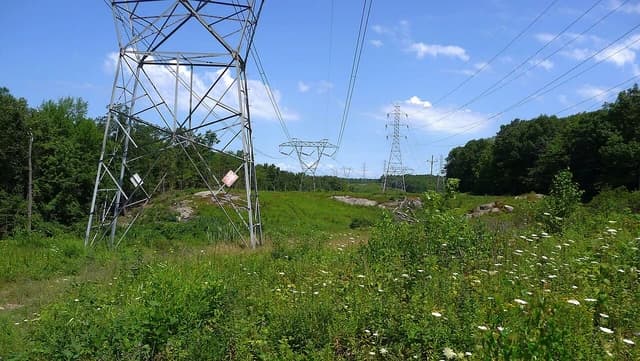
That tension is showing up in market behavior. Nvidia has rallied sharply and remains above both its 50-day and 200-day moving averages, reflecting investor confidence that AI infrastructure spending will keep flowing. Microsoft has also rebounded strongly, though its elevated RSI reading suggests the stock is stretched after a powerful move. Amazon has regained momentum too. But the policy response in Virginia is a reminder that the AI trade does not end with semiconductors: every new model and data hall needs land, substations, transmission and generation.
The broader narrative is that AI’s electricity appetite is colliding with a regulated system built for slower load growth. Virginia may be an early test case, but other states will likely face the same choice: let consumers help bankroll the infrastructure rush, or force the companies building the future to pay more of the tab. The answer will determine how fast the AI economy expands, how utilities finance it and whether power bills keep climbing for everyone else.
| Entity | Gains | Losses |
|---|---|---|
| Virginia households | ▲Lower risk of cross-subsidy | ▼Less access to cheaper shared rates |
| AI data centers | ▲Faster grid buildout certainty | ▼Higher upfront infrastructure costs |
| Utilities | ▲More contract-backed investment | ▼More regulatory scrutiny on rates |
| Microsoft, Amazon, Nvidia | ▲More AI capacity long term | ▼Margin pressure from power spending |