The Trump administration is moving to make its visa bond program permanent, forcing travelers from 50 designated countries to post bonds of as much as $20,000 before getting tourist or business visas, a step that raises the cost of entry to the U.S. and could chill international travel demand.
Visa bond program targets 50 countries with $20,000 bonds

The rule targets countries largely in Africa and is one of the sharpest recent tightenings of U.S. visa policy. Economically, it matters because even a small drop in inbound visitors can hit airlines, hotels, airports and retail spending tied to tourism, while also adding a fresh layer of friction to already strained diplomatic ties with emerging markets.
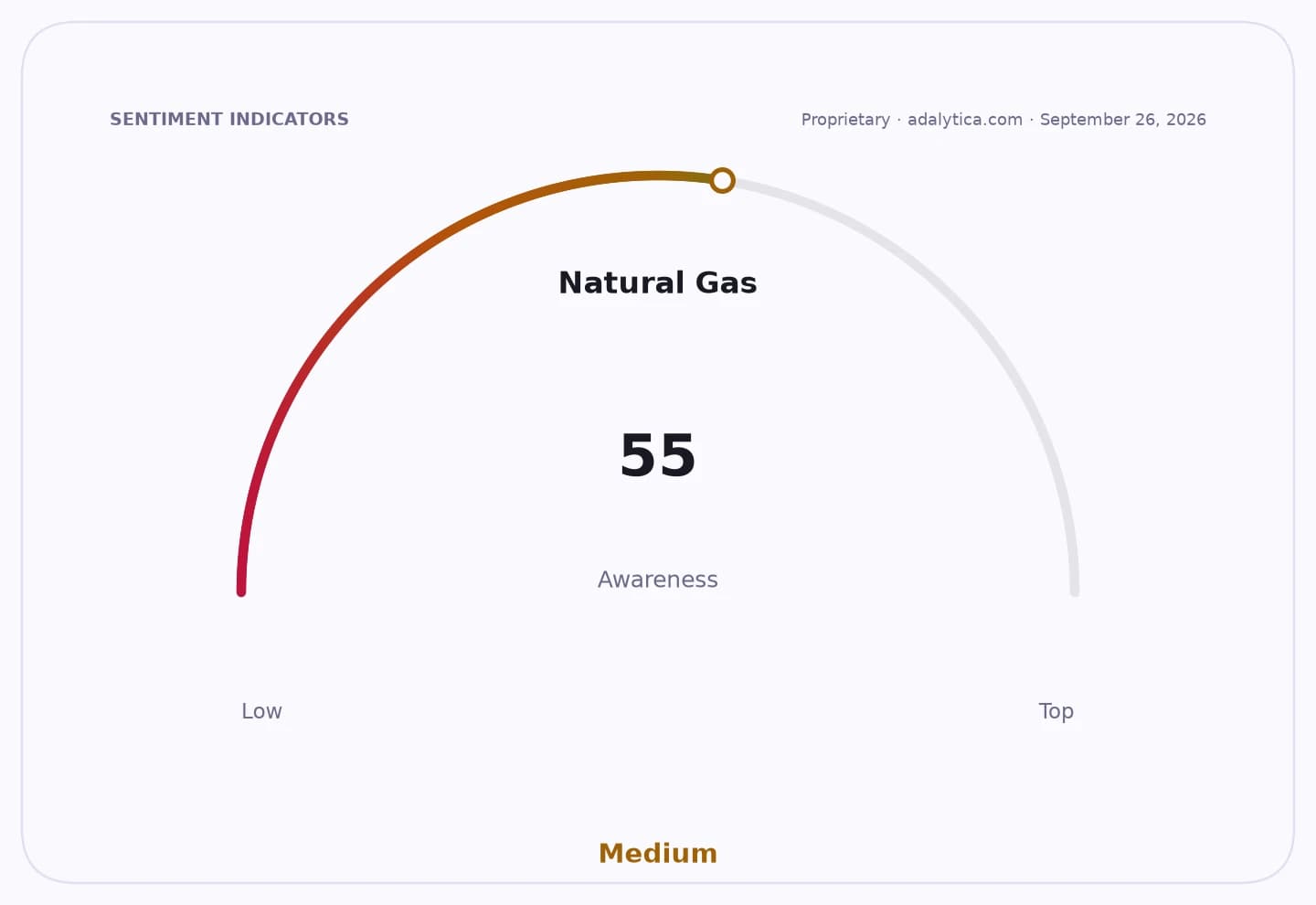
Sentiment IndicatorsⓘProprietary · adalytica.com · August 1, 2026
This is a snapshot — live sentiment, awareness and momentum for 130+ markets update continuously in the dashboard.Open AlphaPulse
For investors, the immediate read-through is mixed. U.S. airlines such as Delta and American, along with travel-focused funds like the U.S. Global Jets ETF, are exposed to cross-border passenger volumes, and any pullback in discretionary travel from affected countries would weigh on international routes. At the same time, the policy may have limited direct impact on the broader U.S. labor market, which remains relatively firm, with unemployment at 4.2%, but it adds a new geopolitical risk to travel and hospitality demand.
The timing also lands against a volatile market backdrop. Adalytica’s S&P 500 Trade Signals show extreme greed at 99 on awareness and 84 on sentiment, while the U.S. dollar signals are neutral on sentiment but elevated on awareness, suggesting investors are already positioned for policy and macro shocks. In fixed income, the backdrop remains sensitive as bond yields stay elevated, making any policy that dents growth expectations or complicates U.S. relations with key trade partners more market relevant.
Travel stocks have already been volatile this year. JETS has climbed to 31.28 from 23.80 in early November, while Delta has surged to 87.44 from 55.22 in November and Booking Holdings has rebounded to 192.90 from 154.09 in February, reflecting resilience in travel demand. A more restrictive visa regime could slow some of that momentum if travelers from the 50 countries respond by delaying trips or choosing other destinations.
The policy also arrives as consumer sentiment remains weak, with the University of Michigan index at 49.5 in June and forecast to slip to 43.99 in July, underscoring how quickly discretionary spending can soften when households perceive more risk. Any sustained drop in inbound travel would be felt first by airlines and hotels, then by cities and tourism-heavy retailers.
Investors will be watching for the formal rollout, any legal or diplomatic pushback, and signs that carriers or booking platforms see changes in international demand. The key question is whether the bond requirement becomes a narrow immigration screen or a broader drag on U.S. travel flows from a large group of countries.
| Entity | Gains | Losses |
|---|---|---|
| U.S. government | ▲tighter border control | ▼tourism backlash |
| Airlines and hotels | ▲higher policy certainty | ▼weaker inbound demand |
| Travelers from 50 countries | ▲fewer surprises in rules | ▼up to $20,000 bond cost |
| U.S. tourism destinations | ▲limited security upside | ▼lower visitor spending |