Faisal Islamic Bank has launched Visa Pay with Visa in Sudan, a move aimed at giving customers a more secure way to pay online and underscoring how banks are still building digital rails even as the country’s war has battered the wider economy.
Visa Pay launches with Faisal Islamic Bank in Sudan
The service, available to eligible Faisal Islamic Bank customers through the Fawry app, uses Visa’s global network to support local and, where possible, international electronic transactions. The partners say the goal is to simplify digital commerce, strengthen fraud protection and widen access to cashless payments in a market where banking access has been disrupted by conflict.
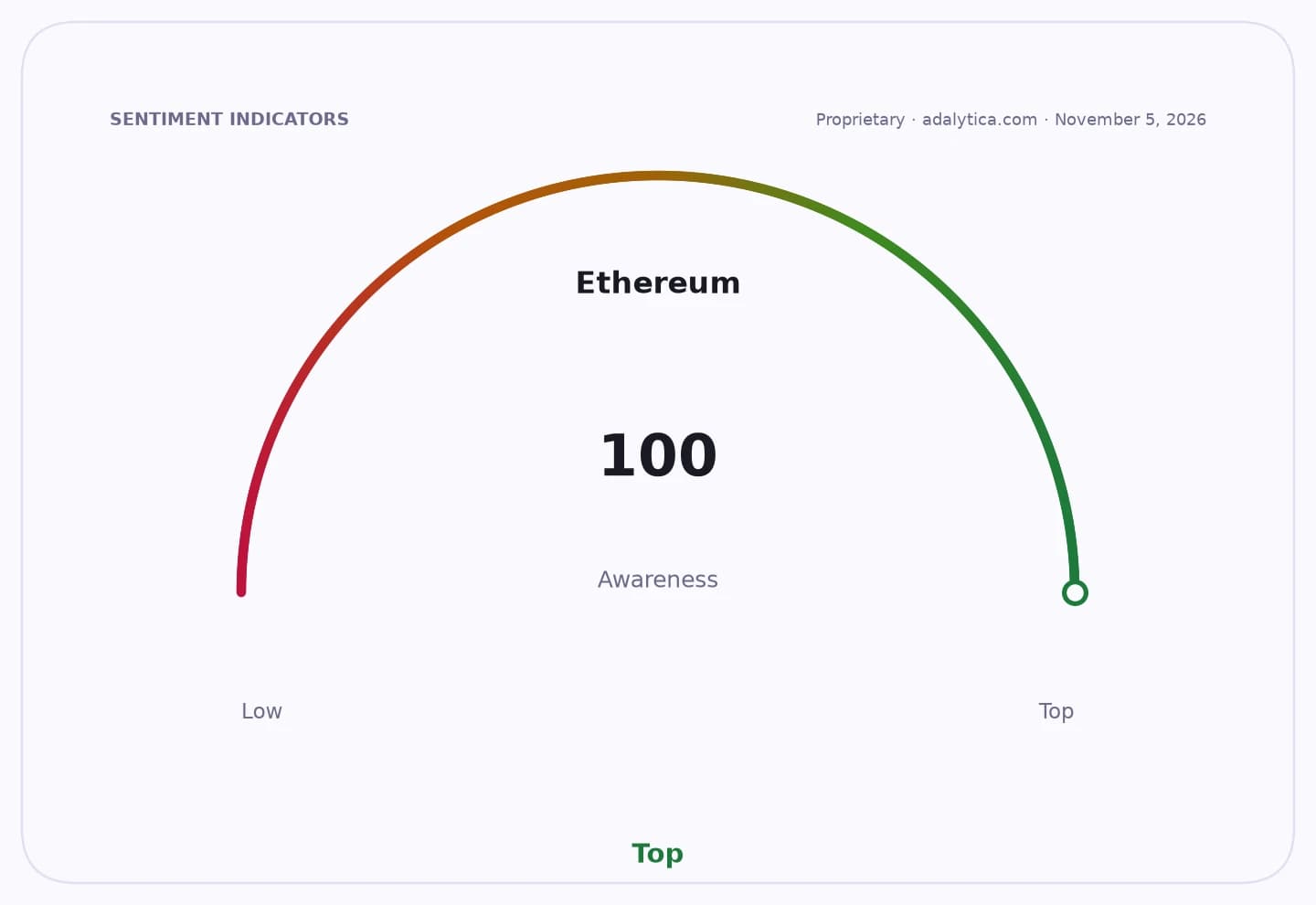
Sentiment Indicators
For Sudan, the launch is more than a product rollout. With production damaged by the civil war and the financial system under strain, digital payments can help keep commerce moving when physical cash, branches and transport links are unreliable. Any expansion in secure online payments also matters for financial inclusion, especially for consumers and small businesses trying to transact across a fractured economy.
Visa is leaning on partnerships like this to extend its footprint in markets where card acceptance and digital money movement are still developing. The company, whose shares trade on the New York Stock Exchange under the ticker V, has said it facilitates payments in more than 200 countries and territories, and its model depends on growing transaction volume across networks, issuers and merchants.
Investors will likely view the deal as incremental but strategically consistent with Visa’s push into emerging digital payment ecosystems. Visa shares were last at $422.07, above their 50-day moving average of $383.19 and 200-day average of $342.43, while Mastercard shares closed at $649.26, also above both its 50-day and 200-day averages, reflecting continued market confidence in payment-network operators.
The launch comes as Sudan faces an urgent need for rebuilding and as the broader push toward electronic payments remains tied to security, infrastructure and political stability. The key question for investors is whether such partnerships can scale in a market still constrained by conflict, or whether digital adoption will remain patchy until conditions improve.
| Entity | Gains | Losses |
|---|---|---|
| Faisal Islamic Bank | ▲Digital offering, customer retention | ▼Upfront rollout risk |
| Visa | ▲Network expansion, transaction growth | ▼Exposure to fragile market execution |
| Sudanese consumers | ▲Safer online payments, wider access | ▼Dependence on unstable infrastructure |
| Cash-based channels | ▲Less relevance, lower usage | ▼Share of transactions |