Ethereum is making a pitch to governments and aid agencies that goes beyond token markets: use its public blockchain as a neutral base layer for digital identity and public services, and keep control of the network out of any single vendor’s hands. That matters because the next big battleground in digital infrastructure is not just speed or cost, but who gets to govern the rails that official records, credentials and payments run on.
Ethereum pitches governments on digital identity
Ethereum
The Ethereum Foundation said in a Nov. 3 blog post that its open-source, publicly verifiable network could help public institutions share infrastructure across borders while preserving policy control. The argument is aimed squarely at agencies that want interoperability without surrendering sovereignty to a private operator — a growing concern as more services move online and identity systems become the gateway to banking, benefits, travel and humanitarian aid.
Sentiment Indicators
For investors, this is the kind of narrative that can quietly expand Ethereum’s total addressable market well beyond speculation. If public-sector identity systems, credential registries and aid platforms begin to rely on Ethereum’s base layer, demand shifts from cyclical trading activity to structural network usage. That is the real upside case the market often misses: infrastructure adoption, not just crypto enthusiasm, can support long-duration value.
The foundation highlighted Bhutan’s National Digital Identity system as a live example, saying authorized institutions issue credentials to users, while a shared registry on Ethereum helps services verify them without exposing personal data on-chain. It also pointed to a humanitarian assistance proof of concept, where multiple organizations could coordinate aid through Ethereum without a single agency controlling the network or holding all the records. That model, if it scales, would make Ethereum a toll road for public-sector verification, not merely a speculative asset.
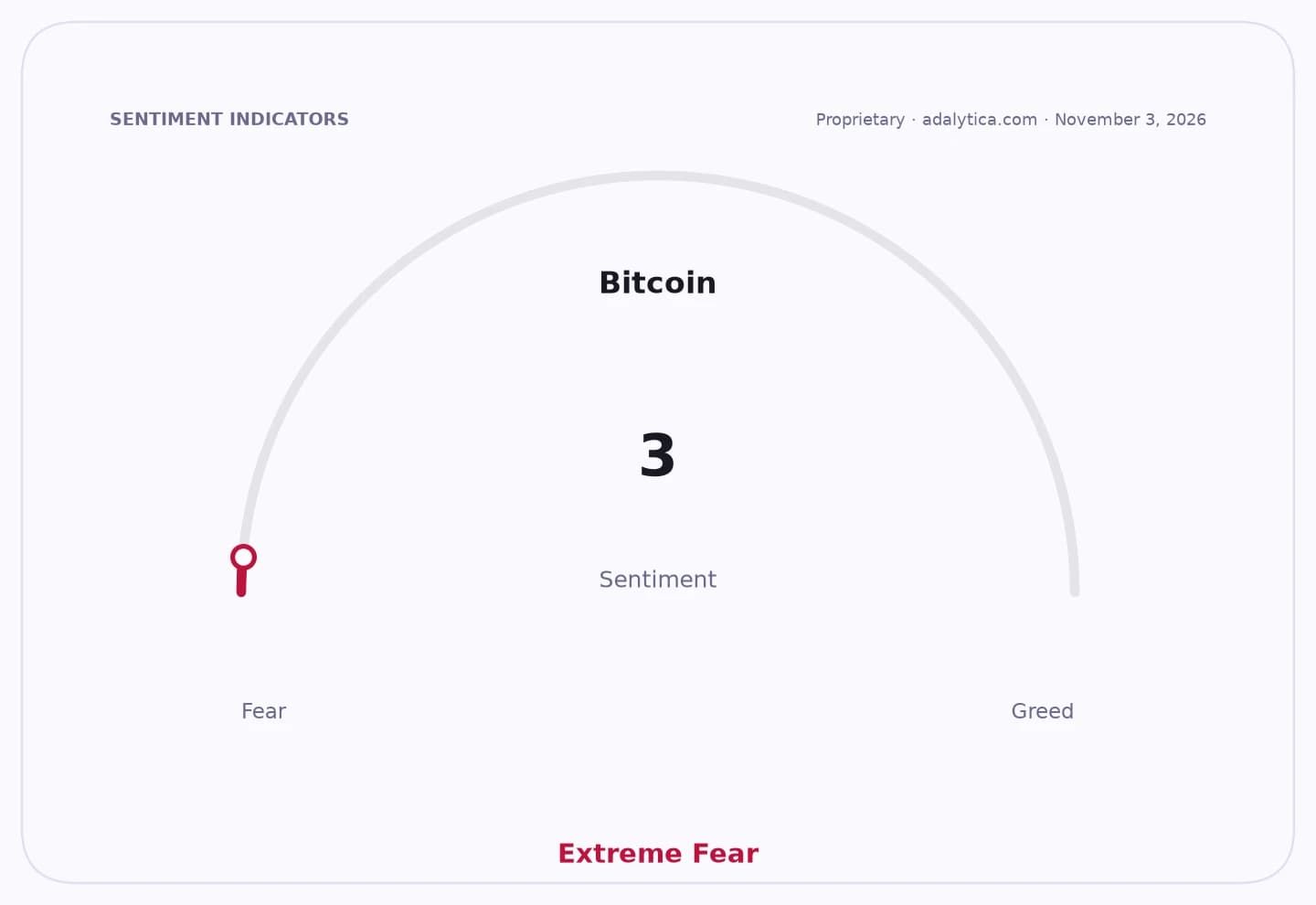
The timing matters because ether remains under pressure even as the strategic case broadens. ETH was trading at $2,419.30 on Nov. 5, down 2.51% on the day, while Adalytica’s Ethereum Fear & Greed Index sat at 3, or “Extreme Fear,” even though awareness was at 100, “Extreme Greed.” In other words, attention is high, but conviction is not. That disconnect is where asymmetric setups are born.
Technically, ETH has also been struggling to reclaim momentum, trading below its 50-day moving average of roughly $2,507. That is a reminder that the market is still focused on price action, not adoption. But strategic infrastructure deals rarely show up in the chart first; they show up in utilization, developer interest and institutional pilots before they show up in price.
The investable read-through is clear. Ethereum’s public-sector push favors the long case for ETH itself, but the second-order winners may be even more interesting: infrastructure providers, wallet and custody platforms, identity and compliance software, and listed crypto venues such as Coinbase that stand to benefit if government-grade use cases expand the market’s legitimacy. It also strengthens the thesis for enterprise blockchain and digital-asset infrastructure names that can monetize verification, settlement and credentialing.
The market may still treat this as a policy story on the margins, but it is really a capital-allocation story. If governments want shared digital infrastructure without ceding control to a single vendor, Ethereum is positioning itself as the open network of choice. That is not an overnight catalyst, but it is exactly the kind of secular adoption thread that can compound over years — and the setup looks far more compelling when sentiment is this washed out.
| Entity | Gains | Losses |
|---|---|---|
| Ethereum / ETH | ▲Public-sector adoption thesis | ▼Purely speculative holders |
| Governments / NGOs | ▲Shared verification rails | ▼Vendor lock-in risks |
| Coinbase and crypto infrastructure stocks | ▲More institutional usage | ▼Transaction volumes tied only to retail cycles |
| Private identity platform vendors | ▲Less if open networks win | ▼Control over public-service rails |