Planning an overseas trip from India is getting harder as five countries have changed visa rules, adding cost, paperwork and uncertainty for travelers just as global governments tighten border controls and student and work mobility.
Visa Tightening Pressures Travel Demand

The biggest economic impact is on cross-border travel demand, airline bookings, hotel occupancy and travel-platform volumes, especially on routes that depend heavily on Indian outbound travelers. For investors, tighter visa regimes can slow near-term traffic growth for airlines, online travel agencies and payment networks even if the longer-term trend in leisure and education travel remains intact.
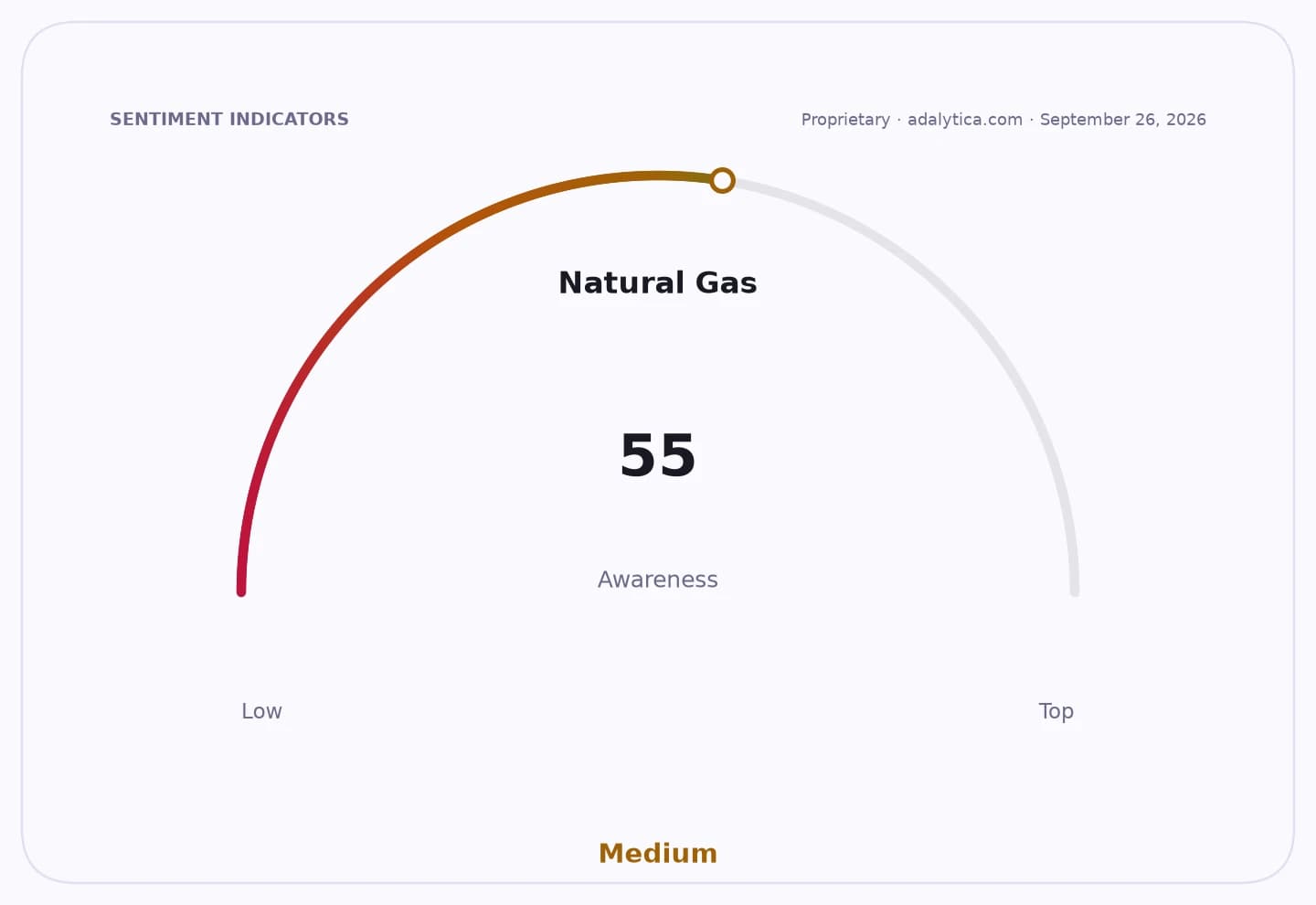
Sentiment IndicatorsⓘProprietary · adalytica.com · July 27, 2026
This is a snapshot — live sentiment, awareness and momentum for 130+ markets update continuously in the dashboard.Open AlphaPulse
Brazil’s move to deny visa requests from U.S. officials underscores how immigration policy is becoming more politicized, while the U.S. has also tightened rules for foreign students and journalists, including a four-year cap on international students’ stay. That matters for India because more than 300,000 Indian students are on F-1 visas in the U.S., making any change to visa processing, renewal or duration a direct hit to a major services export channel.
Canada’s stricter rules and penalties for visa application errors add another layer of friction for Indian applicants at a time when North American demand remains important for travel, education and family migration. The broader pattern is clear: countries are recalibrating immigration and entry frameworks, shifting the burden onto travelers and intermediaries that rely on predictable approval timelines.
That trend ripples through listed companies tied to travel and cross-border mobility. Airlines such as American Airlines, Delta Air Lines and United Airlines rely on international routes for higher-yield traffic, while Expedia benefits when travel demand is broad-based and frictionless; tighter visa rules can delay trips, reduce conversions and pressure forward bookings.
The policy backdrop also lands against a weaker risk tone in broader markets, with Adalytica’s S&P 500 trade signals showing “Extreme Fear” and the U.S. dollar in “Extreme Fear” on the same framework. For investors, that mix favors caution on discretionary travel names and raises the bar for any company exposed to international passenger growth, student mobility or visa-sensitive destination demand.
The next catalyst is further policy moves and legal challenges, which could determine whether these restrictions become a temporary bottleneck or a more durable drag on outbound travel from India.
| Entity | Gains | Losses |
|---|---|---|
| Visa-tightening governments | ▲more control over entry | ▼tourism and soft power |
| Indian travelers | ▲fewer surprises later | ▼higher costs and delays |
| Airlines and OTAs | ▲selective demand shifts | ▼lost bookings and weaker conversions |
| Student-heavy destinations | ▲stricter screening | ▼fewer foreign enrollments |