The US is moving to underwrite a faster buildout of nuclear power capacity just as AI data centers and electrification are lifting electricity demand, giving Vistra a $4.2 billion federal loan package that could help extend the life and output of some of the country’s most important reactors.
Vistra Gets $4.2 Billion Nuclear Loan Package
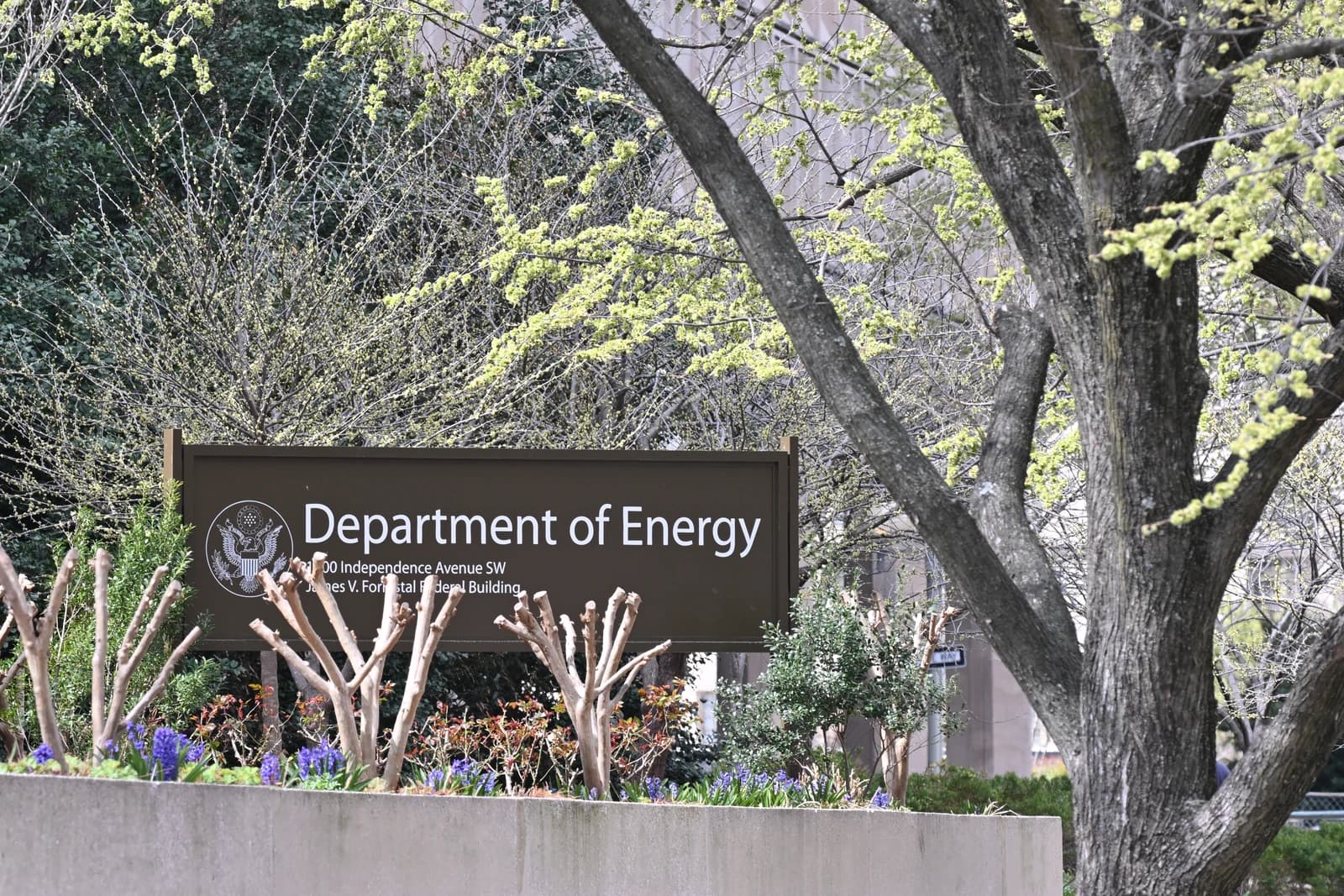
The loan, expected to be announced by Energy Secretary Chris Wright during a visit to a Vistra nuclear site in Ohio, would finance uprates at at least three of the company’s four nuclear plants. For Washington, the deal is more than a corporate financing event: it shows the Trump administration is using federal lending power to accelerate nuclear expansion in a grid that is coming under strain from rising industrial and digital power needs.
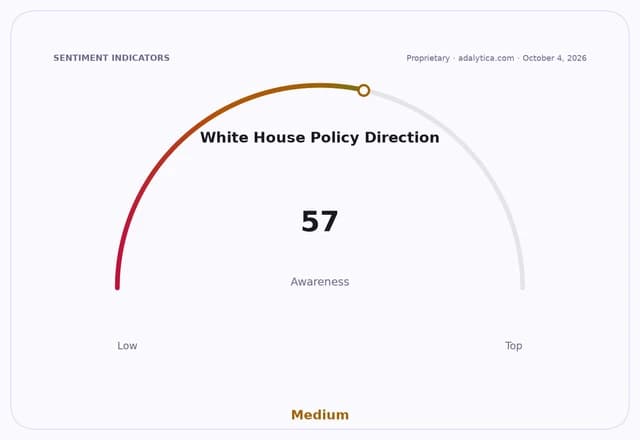
Sentiment IndicatorsⓘProprietary · adalytica.com · October 4, 2026
This is a snapshot — live sentiment, awareness and momentum for 130+ markets update continuously in the dashboard.Open AlphaPulse
For Vistra, the support lowers the capital burden of squeezing more megawatts out of existing assets rather than building from scratch, a crucial distinction in a sector where new-reactor projects have been slow, expensive and politically fraught. The company already operates six reactors across four plants with more than 6.5 gigawatts of capacity, enough to serve about 3.25 million homes. Uprates approved by the Nuclear Regulatory Commission have long been a standard way to boost output, with the agency having signed off on more than 170 such cases since the 1970s.
The loan also fits with a broader policy push. President Donald Trump has set a goal of quadrupling US nuclear capacity by 2050, and the Energy Department is expected to direct much of its lending program toward plants and projects in the sector. That matters for the electricity system because nuclear remains one of the few scalable sources of firm, low-carbon baseload power, particularly valuable as utilities and hyperscalers look for uninterrupted supply for data centers and as transport and industry electrify.
Investors are likely to read the announcement as another step in the rerating of nuclear-linked equities, but the implications are uneven. Vistra benefits from cheaper financing, regulatory backing and the prospect of higher asset utilization. Its customers, including large corporate buyers seeking carbon-free power, gain access to more stable supply. Competing technologies and power sellers reliant on gas or intermittent renewables face a tougher argument if Washington is effectively subsidizing legacy nuclear capacity.
The stock reaction, however, will depend on execution. Uprates are generally less risky than new builds, but they still require engineering work, licensing and operational discipline, and they will not immediately change the industry’s long timeline for new capacity additions. Still, the message to markets is clear: federal policy is now treating existing nuclear fleets as strategic infrastructure, not just utilities’ aging assets.
| Entity | Gains | Losses |
|---|---|---|
| Vistra | ▲cheaper financing, higher output | ▼upfront project risk |
| US government | ▲faster nuclear buildout | ▼larger credit exposure |
| Nuclear power sector | ▲policy support | ▼gas and some renewables |
| Power buyers | ▲more firm supply | ▼higher competition for capital |