Volkswagen’s cooperation with Ford on the Transporter is cutting development costs, but it is also leaving the German carmaker with a costly underused factory in Hanover that the original deal was supposed to protect.
Volkswagen Hanover Plant Faces Underuse After Ford Deal
That matters because the arrangement shows the trade-off facing legacy automakers as they chase cheaper platforms and higher scale while trying to fund the shift to electric and autonomous vehicles. Volkswagen has reduced investment needs by outsourcing the new Transporter to Ford Otosan in Turkey, but it has also lost a core production pillar at a plant that employs about 12,000 people and carries heavy political weight in Germany.
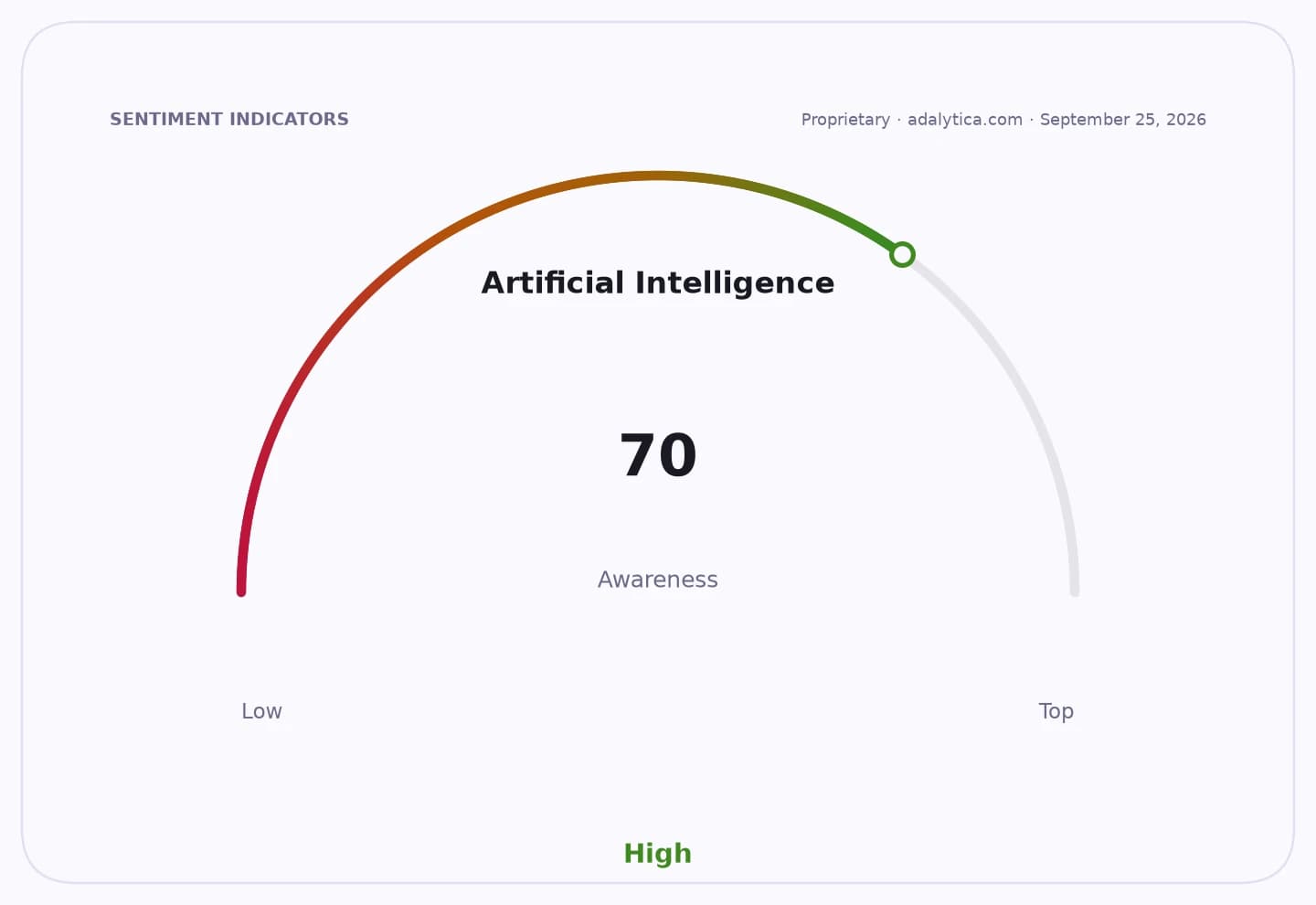
Sentiment IndicatorsⓘProprietary · adalytica.com · September 5, 2026
This is a snapshot — live sentiment, awareness and momentum for 130+ markets update continuously in the dashboard.Open AlphaPulse
The numbers underline the imbalance. Ford’s Transit Custom is nearing 200,000 sales this year, while the Volkswagen Transporter is running at about 120,000 units, meaning VW is sharing much of the same technology with a direct rival while shipping far fewer vehicles. The new Transporter now rides on Ford’s Transit Custom architecture, and the long-running cooperation also extends to the Ford Tourneo Connect, Caddy and Amarok.
The problem is worst in Hanover, where the ID. Buzz was expected to absorb the Transporter volume after production moved to Turkey. Instead, the plant produced just over 60,000 ID. Buzz units in 2025, well below the more than 100,000 annual units VW had once envisioned.
Lower volumes have pushed factory costs higher. Hanover’s cost per vehicle temporarily topped 10,000 euros, compared with an internal benchmark near 3,000 euros, highlighting how quickly fixed costs can overwhelm margins when a large plant runs below capacity.
The pressure is showing up in Volkswagen Commercial Vehicles’ results as well. First-half 2026 revenue fell to 8.2 billion euros from 8.7 billion euros a year earlier, vehicle sales slipped 4% to 216,000 units, and operating profit improved to 275 million euros from 207 million euros after cost cuts. Even so, the margin rose only to 3.3%, still well short of the 6.5% target.
For investors, the story is less about the engineering success of a shared platform than about whether Volkswagen can fill Hanover with enough new products to justify the plant’s cost base. The site still builds the ID. Buzz, ID. Buzz Cargo and Multivan, and an autonomous ID. Buzz AD is planned for 2027, but none of those volumes yet replace the Transporter.
Volkswagen now faces a strategic choice between adding more models, more technology or more production work to Hanover, or accepting a structurally weaker factory in one of its most symbolic locations. That makes the Ford partnership a test case for whether cooperation can save enough on development to offset the much more expensive loss of production control and scale.
The next catalyst is whether Volkswagen can raise output at Hanover without sacrificing margins further, at a time when Europe’s EV market remains competitive, labor costs in Germany stay high and pressure on the wider auto sector is intensifying.
| Entity | Gains | Losses |
|---|---|---|
| Volkswagen | ▲Lower development spending | ▼Lost Transporter volume |
| Ford | ▲Higher van sales volume | ▼Shares platform economics |
| Hanover plant | ▲ID. Buzz and future EV work | ▼Underutilized capacity |
| Investors | ▲Cost-cutting progress | ▼Margin and execution risk |