Tamil Nadu has won a small but strategically important vote of confidence from Walgreens, which will open a global capability center in Chennai that the state says will create 250 jobs.
Walgreens to Open GCC in Chennai, Add 250 Jobs
The deal matters because it reinforces one of India’s most durable growth engines: the shift of multinational companies from simple back-office outsourcing to higher-value technology, digital and shared-services hubs. For Tamil Nadu, that means more than a single company announcement. It is another marker that Chennai is competing successfully for global capability center investment, an industry that brings steady employment, service exports and long-term capital into the state economy.
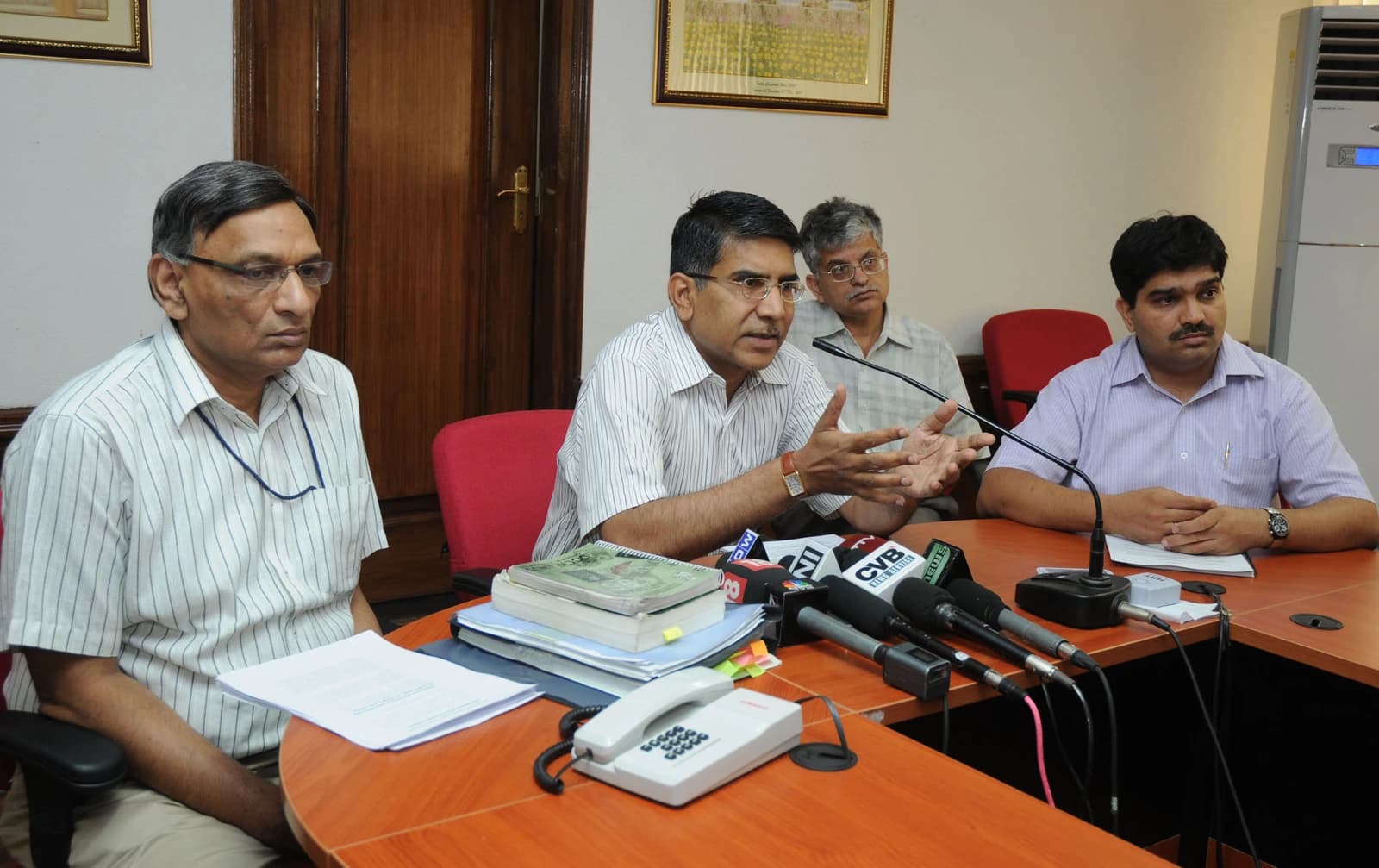
The memorandum of understanding was signed in the presence of Chief Minister Vijay at the state secretariat, according to the Tamil Nadu government. Walgreens India Private Ltd. will set up the center at DLF Downtown in Taramani, in the newly announced OMR GCC corridor in Chennai. Officials said it will be the company’s first global capability center and could expand in coming years.
For investors, the significance is twofold. First, it shows that multinationals remain willing to commit to Indian operating centers even as global growth stays uneven and cost pressures persist. Second, it underscores how India’s office and services ecosystem continues to attract long-duration demand from global employers looking for talent, scale and efficiency. That is generally supportive for developers, landlords, staffing firms and the wider ecosystem around enterprise technology and business services.
The jobs number is modest in isolation, but these hubs tend to build over time. What starts as a few hundred roles can become a multi-phase operation if the center proves useful to the parent company’s global operations. That is why state governments prize these wins: they can turn into recurring employment, local vendor spending and a broader cluster effect that pulls in more companies.
Tamil Nadu has been trying to deepen that cluster advantage in Chennai, especially along the OMR technology corridor, and the Walgreens agreement fits that strategy neatly. It also comes at a time when state governments across India are competing more aggressively for high-skill corporate investment rather than only manufacturing plants and one-time incentives.
For long-term investors, the story is less about a single lease or memorandum and more about the direction of travel. India’s GCC boom is still one of the clearest secular themes in the market, and Chennai is carving out a meaningful share of it. The right way to think about this is not as a trading headline, but as another sign that the demand for Indian talent in global corporate operations remains resilient. Worth watching for anyone looking at office real estate, business services and India’s broader employment story.
| Entity | Gains | Losses |
|---|---|---|
| Tamil Nadu government | ▲Jobs and investment credibility | ▼Pressure to deliver more GCC wins |
| Walgreens India | ▲Lower-cost talent base | ▼Setup and expansion costs |
| Chennai office market | ▲Demand for premium space | ▼Vacancy if momentum stalls |
| Competing Indian states | ▲Less attention from investors | ▼Missed high-skill job inflows |