Americans are finding more of their everyday food purchases under tighter control as retailers, producers and police try to contain losses from theft, fraud and shrink at a time when inflation is still above pre-pandemic norms and households are more sensitive to price than they were a few years ago.
Walmart, Target, Costco face theft costs near $110, $149, $954
The most immediate economic effect is not just higher security costs. It is a subtle but persistent tax on food availability, inventory efficiency and margins across the retail chain, from warehouses and trucks to store shelves. When basic staples such as steak and baby formula have to be locked up, retailers are saying the economics of selling them have changed: the risk of shrink and organized theft is high enough to justify friction at the point of sale. That can slow turnover, raise labor costs and push honest shoppers toward competitors or private-label substitutes.
Sentiment IndicatorsⓘProprietary · adalytica.com · August 4, 2026
This is a snapshot — live sentiment, awareness and momentum for 130+ markets update continuously in the dashboard.Open AlphaPulse
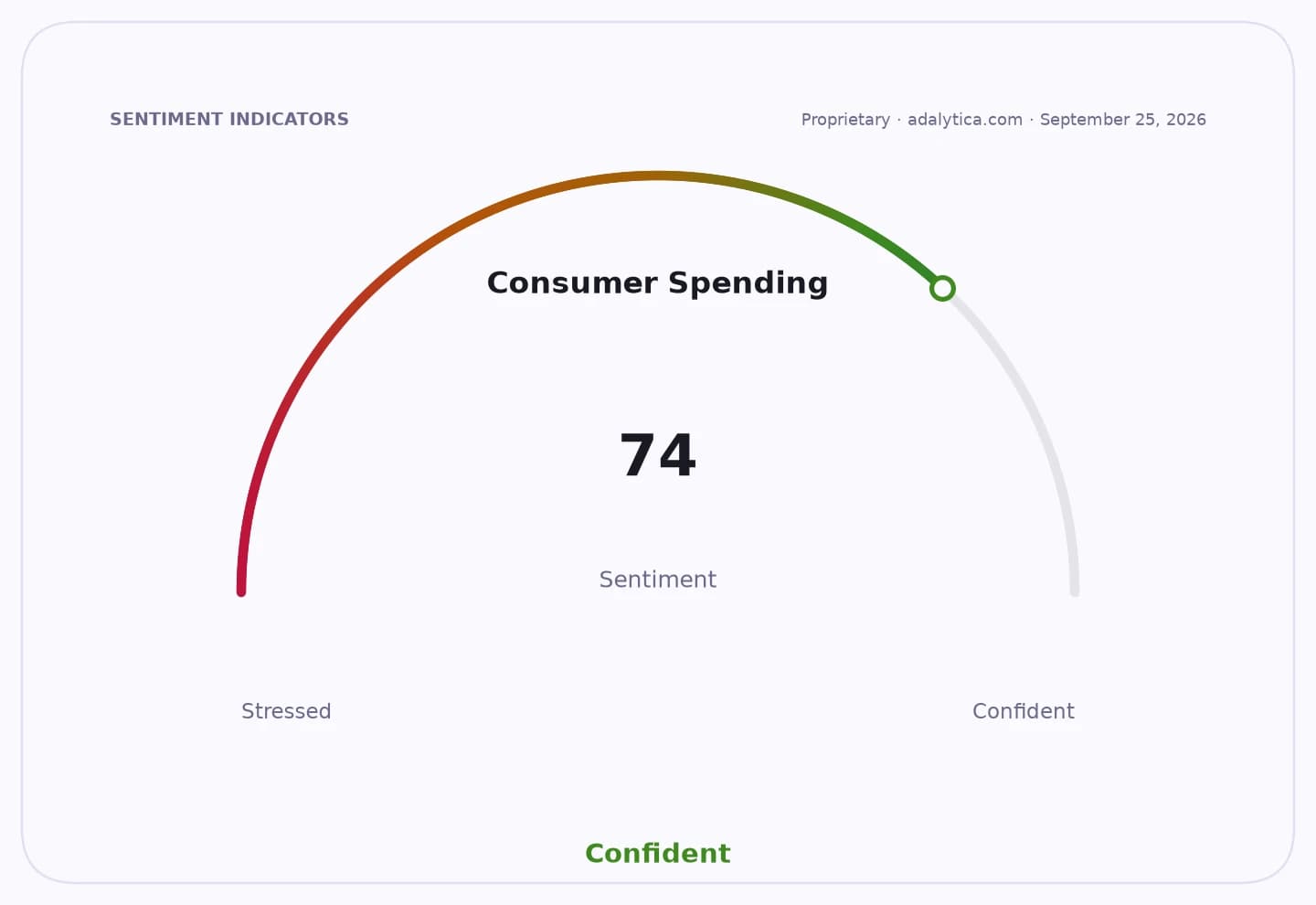
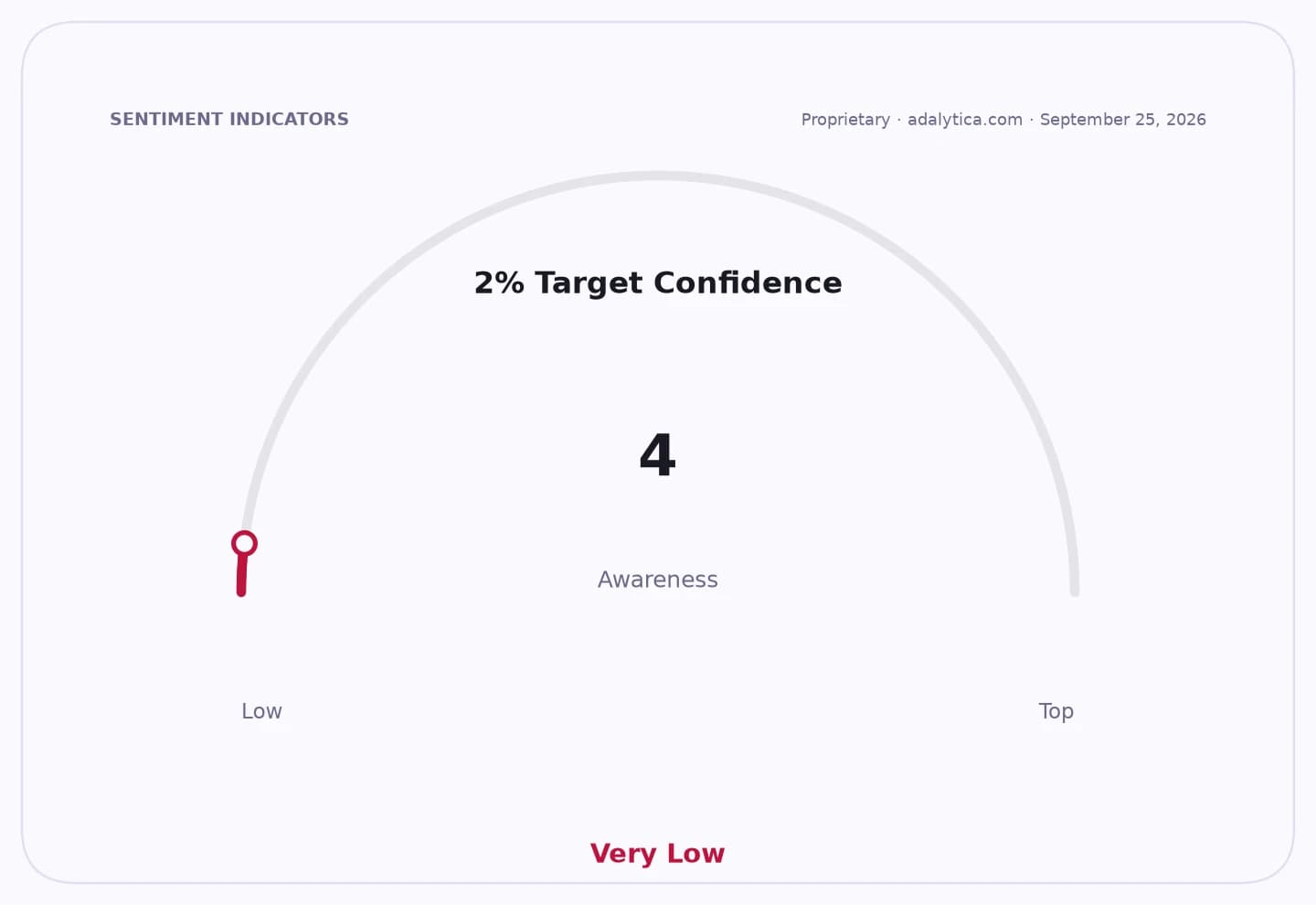
The backdrop matters. U.S. unemployment is near 4.2%, forecast to ease only slightly to 4.18% next month, a level that historically would not suggest severe stress. Yet consumer spending sentiment has dropped sharply, with the Adalytica gauge sliding to 21, or “Fear,” even as awareness remains elevated. In practical terms, that means households are still price-conscious and retailers have little room to pass along added losses without risking traffic.
That tension helps explain why big-box and warehouse retailers are leaning harder on operational discipline. Walmart shares have been volatile, but the stock has held around $110, while Target has rebounded sharply to about $149, and Costco remains near $954, underscoring that investors are still rewarding firms that can defend margins and inventory. For all three, the challenge is the same: shrink, theft and damaged goods can quietly erode profitability even when sales hold up.
The problem is especially costly in staple categories. Grocers and mass merchants rely on high-volume, low-margin basics to drive traffic and cross-selling. If a retailer has to lock up infant formula, premium meat or other high-value items, it is effectively conceding that those goods have become more attractive targets than ordinary shelf stock. That can be good for law enforcement and bad for operating leverage. The latest guilty pleas tied to crude theft in the Permian Basin point to the same broader pattern: organized theft is increasingly treated as an industrywide cost, not an isolated nuisance.
For investors, the key question is who can absorb the friction. Chains with scale, technology and strong supplier relationships can spread security costs more efficiently. Smaller grocers and discounters may have to choose between thinner margins and worse in-store experiences. The bull case is that tighter controls eventually reduce losses and stabilize inventory. The bear case is that locked-up essentials become a lasting feature of U.S. retail, shaving volumes, hurting basket sizes and keeping pressure on margin recovery.
What to watch next is whether retailers can bring shrink under control without making shopping unbearably inconvenient. If they cannot, the cost will show up not just in store layouts but in earnings quality, as more of the consumer economy is forced to spend money defending the goods it is trying to sell.
| Entity | Gains | Losses |
|---|---|---|
| Big-box retailers | ▲Lower shrink if controls work | ▼Higher labor and security costs |
| Shoplifters and organized theft rings | ▲Harder to exploit gaps | ▼More prosecutions and restrictions |
| Honest consumers | ▲Better availability over time | ▼More friction and inconvenience |
| Suppliers and branded staples | ▲Protected inventory | ▼Slower shelf turnover |