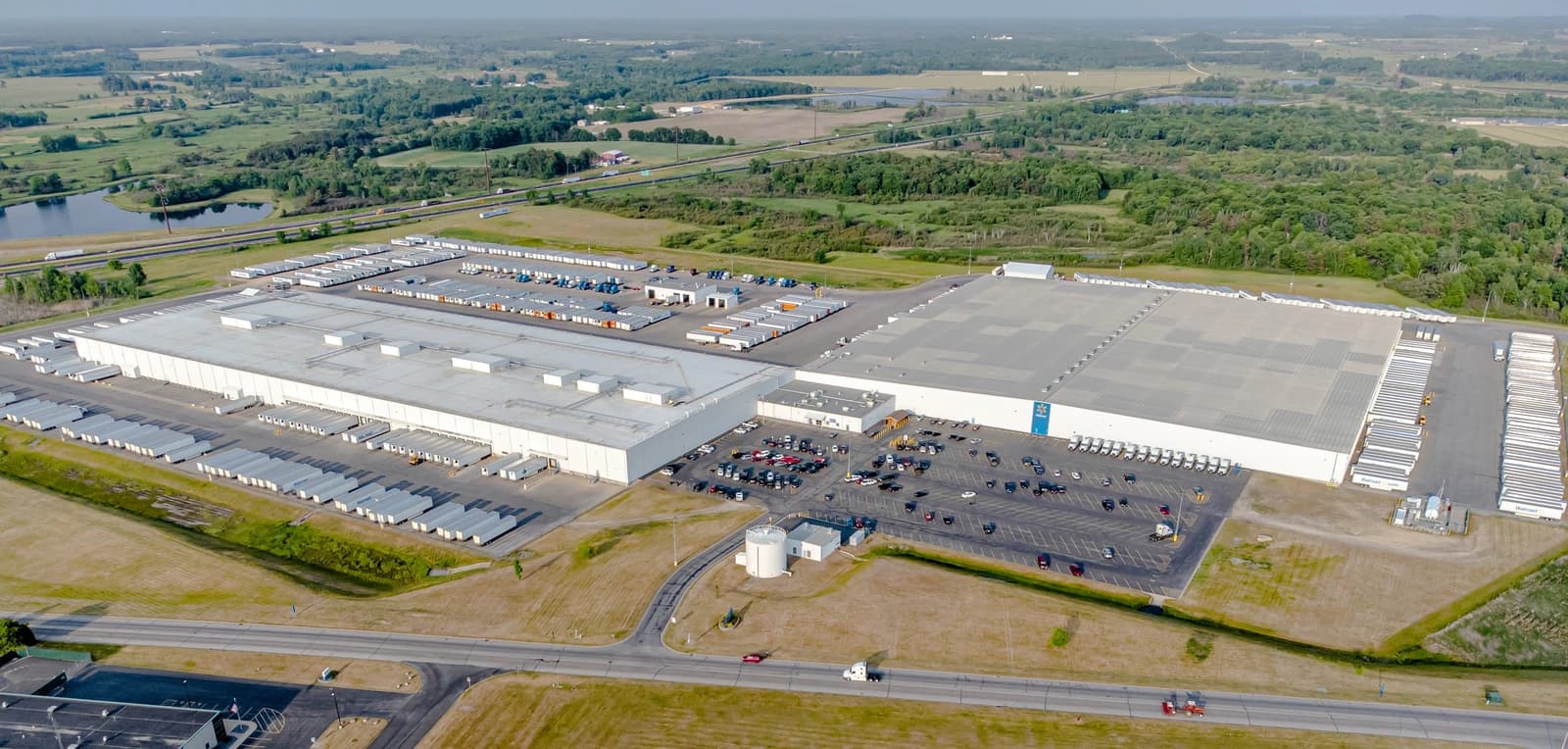
Walmart is doubling down on warehouse automation with a roughly $6 billion expansion of its long-running partnership with Symbiotic, a move that could make its supply chain faster, denser and cheaper to run over the next several years.
Walmart expands warehouse automation with Symbiotic

That matters because the real battle in retail is no longer just on the shelf — it is in the warehouse, where automation can determine how much inventory a company can hold, how quickly it can replenish stores and how profitably it can serve online orders. For Walmart, which has spent years building a physical-and-digital sales engine, the deal is a direct bet that better logistics will translate into wider assortment, faster delivery and lower costs.
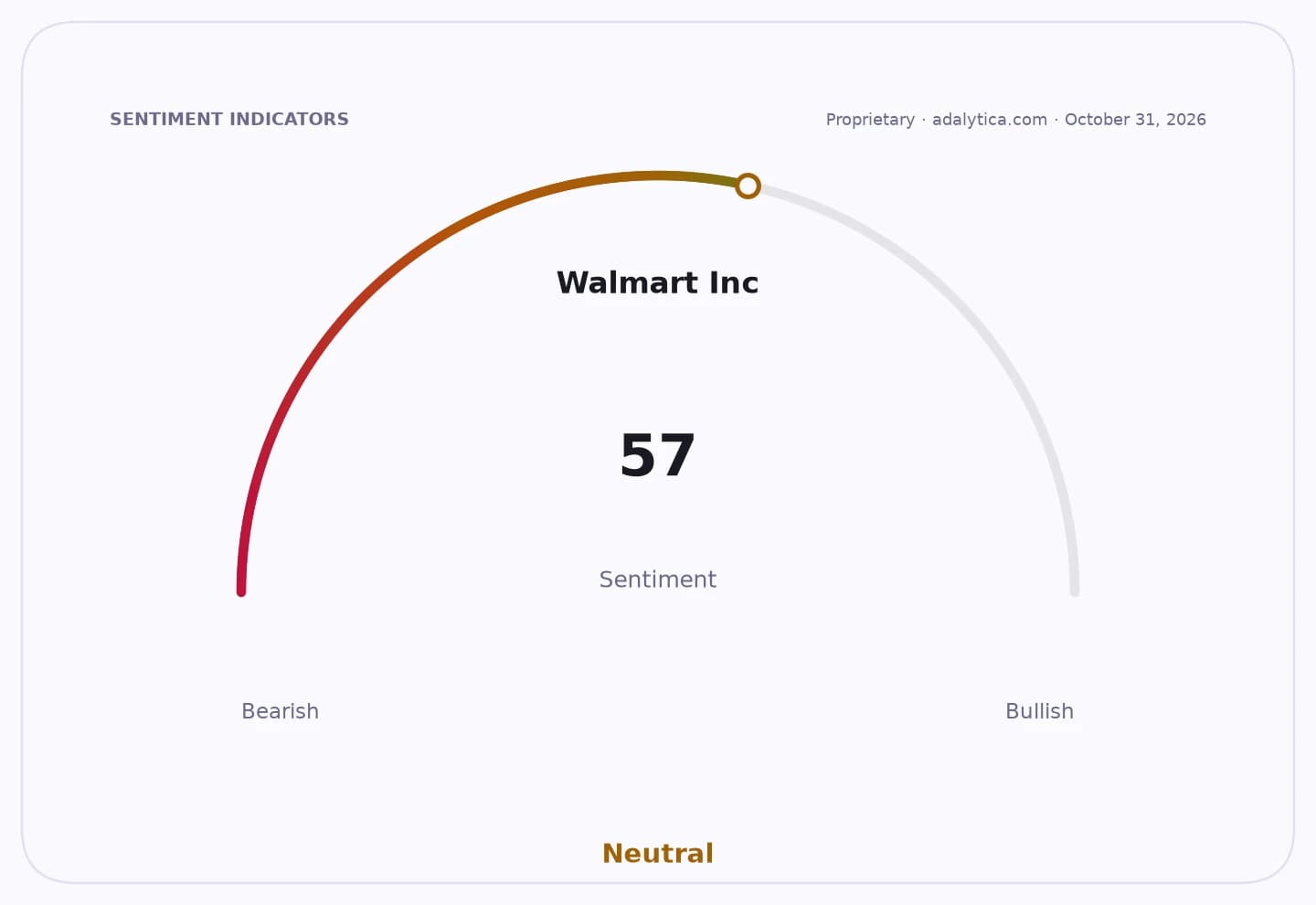
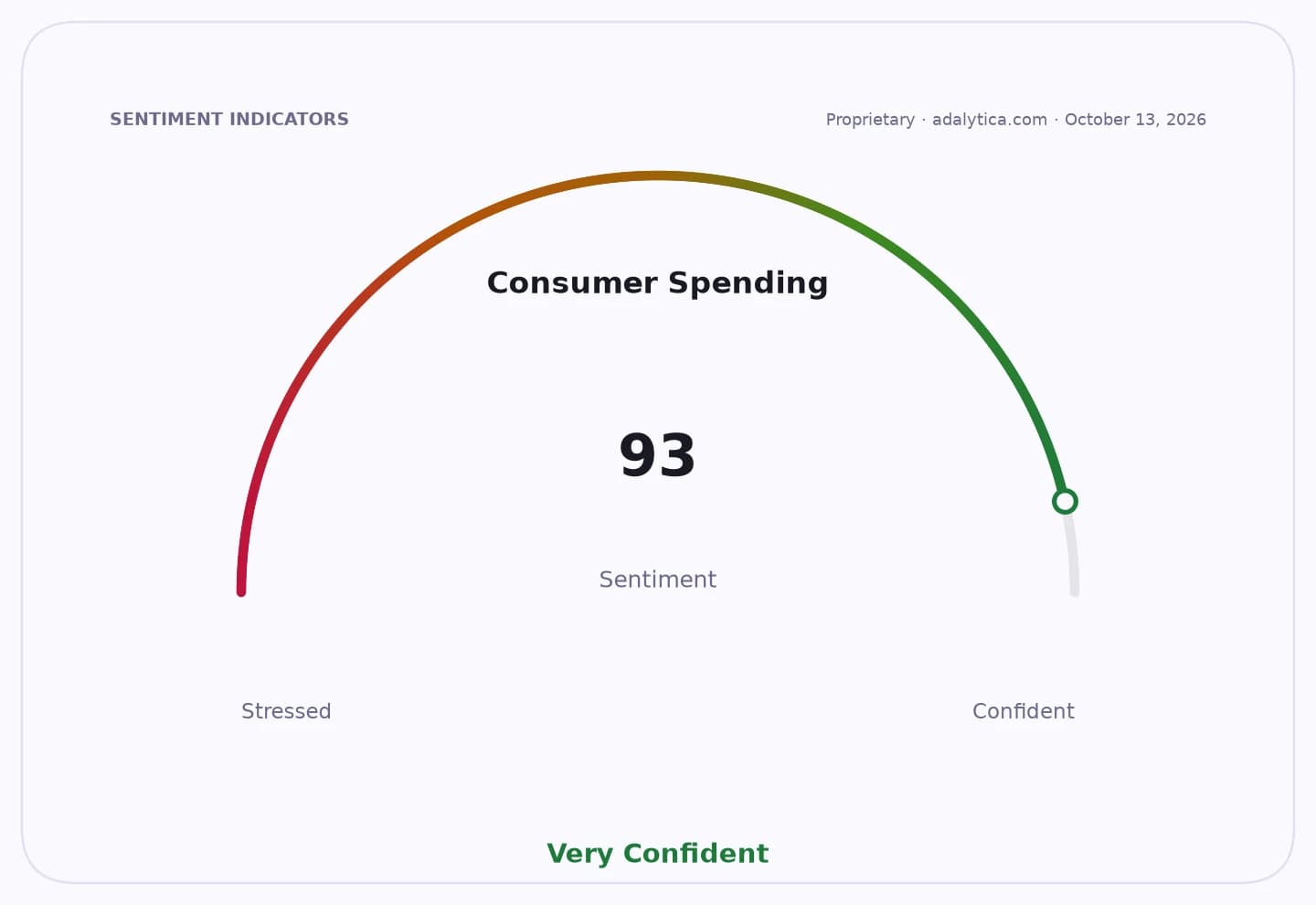
Sentiment Indicators
The agreement covers an additional 25 U.S. regional distribution centers, where Symbiotic’s systems will help move cases, build pallets and support partial-case fulfillment. Walmart said the technology should improve storage capacity and upstream inventory management while simplifying work for associates. In plain English, that means more goods can be handled with fewer bottlenecks, a crucial advantage as e-commerce and omnichannel shopping keep pressure on retailers to deliver faster and hold more stock closer to customers.
For investors, the message is twofold. First, Walmart is treating logistics as a competitive moat, not just a cost center. That can support margins over time if automation reduces labor intensity and improves inventory turns. Second, the scale of the investment shows how seriously the company is taking the long game in retail infrastructure, even as short-term spending can weigh on cash flow.
The deal also reinforces Symbiotic’s position as a key beneficiary of the warehouse automation boom. The company has worked with Walmart for a decade, which suggests this is less of a pilot and more of a scaled deployment. In a market where e-commerce leaders are still wrestling with fulfillment costs, that kind of recurring relationship is valuable.
There are risks. A multiyear rollout can be messy, expensive and vulnerable to execution delays. Automation also does not eliminate the need for human labor; it changes the mix of work and the skills required. But the strategic direction is clear: retailers that can move product faster and more reliably should be better positioned to capture online demand without sacrificing profitability.
For long-term investors, Walmart’s move is worth watching because it fits a bigger secular trend — the automation of commerce itself. If the company executes well, it could widen its lead in retail logistics and make its e-commerce growth more durable.
| Entity | Gains | Losses |
|---|---|---|
| Walmart | ▲Lower fulfillment costs; faster replenishment | ▼Higher upfront capital spending |
| Symbiotic | ▲Larger installed base; recurring revenue | ▼Execution risk on rollout |
| Amazon | ▲Pressure to keep investing in logistics | ▼Margin advantage from cheaper fulfillment narrows |
| Consumers | ▲Broader assortment; quicker delivery | ▼Less if costs are not passed through |