Local-currency emerging market stocks are seeing their sharpest re-rating in a month as a weaker U.S. dollar, firmer China growth sentiment and renewed appetite for higher-yielding local assets pull capital back into the asset class.
Weak Dollar Lifts Local-Currency Emerging Markets
The move matters because it is not being driven by a single country. It reflects a broader shift in global risk positioning that tends to support domestic-demand shares, local-currency debt and commodity-linked markets while easing pressure on importers and dollar borrowers.
Sentiment IndicatorsⓘProprietary · adalytica.com · July 24, 2026
This is a snapshot — live sentiment, awareness and momentum for 130+ markets update continuously in the dashboard.Open AlphaPulse
The iShares MSCI Emerging Markets ETF, or EEM, has climbed to $63.33 from $57.80 on July 24 after a volatile spring, while the Vanguard FTSE Emerging Markets ETF, VWO, has tracked a similar rebound to $57.80 from $51.47 in October. The recovery has come even as both funds pulled back from recent highs, suggesting investors are still testing the durability of the rally rather than fully embracing it.
India remains a key beneficiary. The iShares MSCI India ETF, INDA, has stabilized around $48.02 after trading as low as $45.42 in late March, helped by a strong domestic growth story and a softer dollar backdrop even as the fund remains below its spring highs. For investors, that combination favors sectors with local pricing power and lower external funding needs.
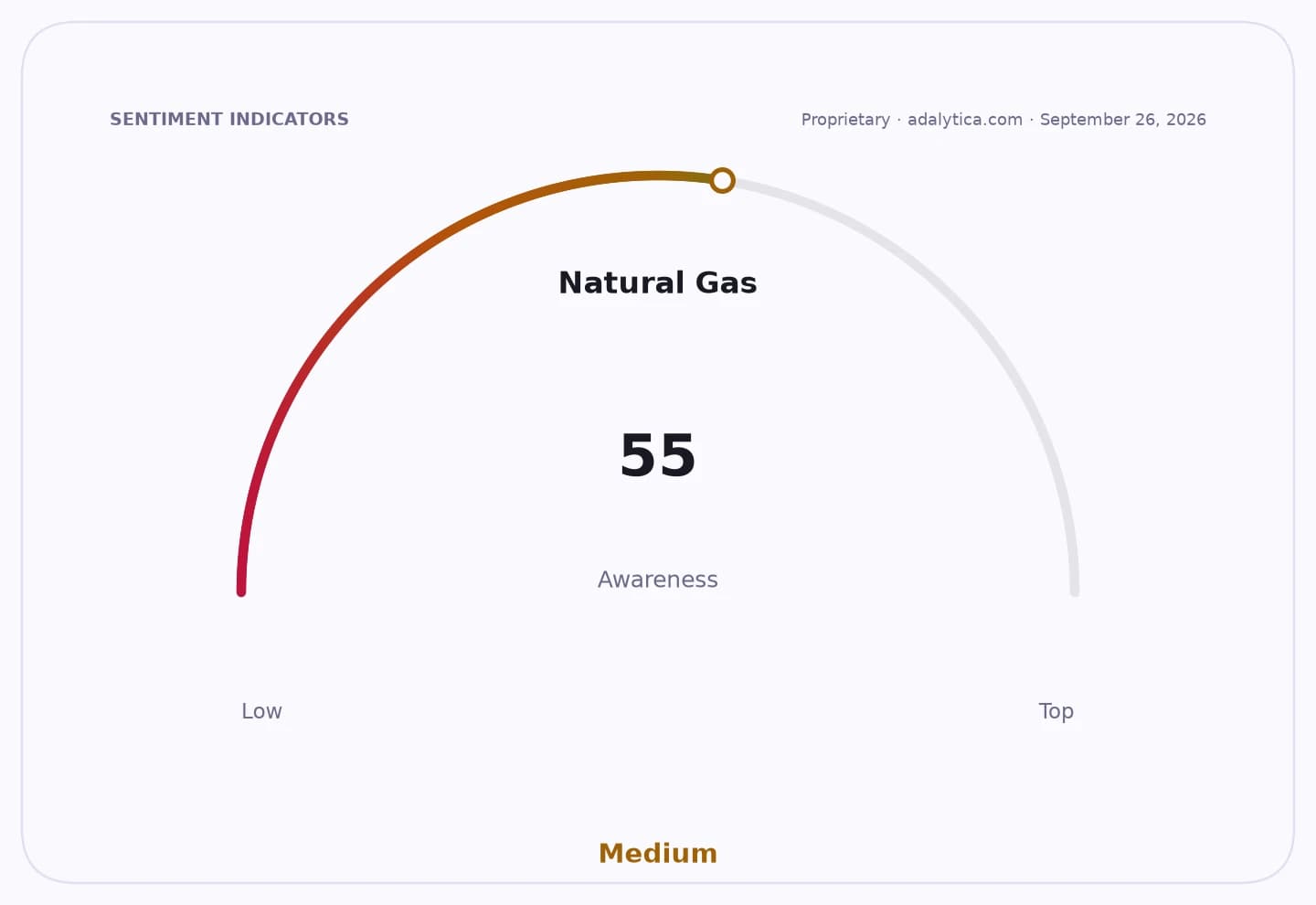
China-linked sentiment is also improving. Adalytica’s China economic growth target gauge shows extreme greed at 100, up 93 points over seven days and 67 points over the past month, while yuan trade signals are neutral, with sentiment at 43 and awareness flagged as fear. That mix points to improving growth expectations without a full-blown conviction trade, but it is enough to keep China-sensitive EM equities in focus.
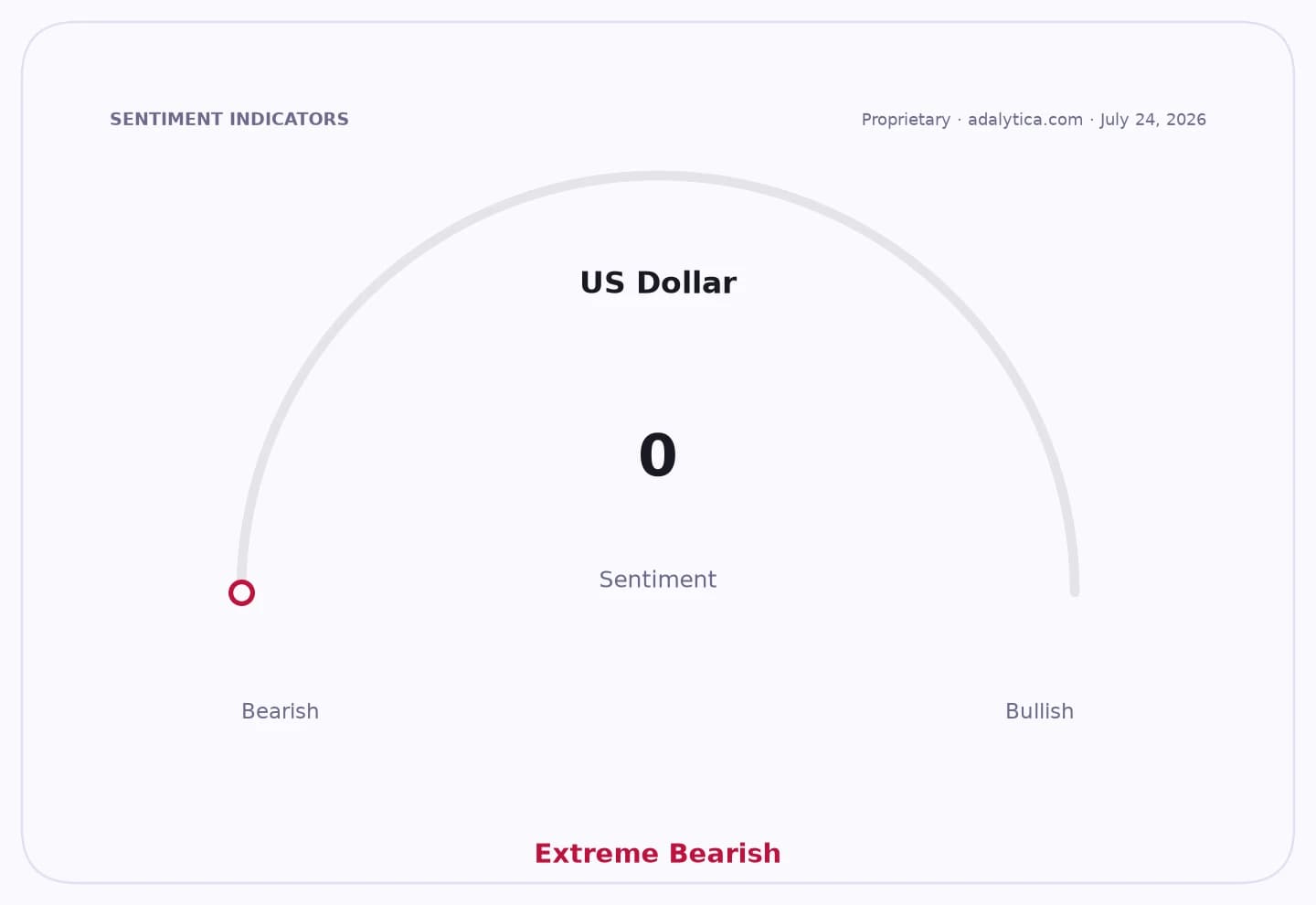
The macro backdrop is doing much of the work. Adalytica’s U.S. dollar trade signals show extreme fear, with sentiment at zero and down 55 points over the past week, a setup that typically supports local-currency assets by easing financial conditions and improving returns for foreign buyers. A weaker dollar also boosts commodity exporters, which is why moves in Brazil, Colombia and other terms-of-trade markets are getting extra attention.
Technically, EEM still looks constructive but stretched. The ETF is above its 200-day moving average at 59.61 and its 50-day average at 66.67, while the RSI reading of 33.7 and a negative MACD point to a loss of short-term momentum after the rebound. VWO shows a similar pattern, with price below its 50-day average of 59.23 and RSI at 35.3, suggesting the revaluation trade has not fully reset.
The key question for investors is whether the rally broadens beyond a dollar-led bounce. If U.S. yields stay contained and China growth expectations hold, local-currency stock markets could keep outperforming dollar-based EM exposures; if the dollar firms again or growth disappointment returns, the re-rating could fade quickly.
| Entity | Gains | Losses |
|---|---|---|
| Local-currency EM equities | ▲Higher valuations | ▼Dollar-funded shorts |
| India equities | ▲Domestic inflows | ▼Import-heavy sectors |
| China-sensitive EM trades | ▲Growth re-rating | ▼Skeptical bears |
| U.S. dollar | ▲Lower demand | ▼EM asset buyers |