West Bengal’s inflation of its Amphan relief bill by ₹32,000 crore matters less as a one-off accounting embarrassment than as a warning about how easily disaster spending can blur into fiscal fiction.
West Bengal Audit Raises Fiscal Governance Risks
That is the real investor takeaway from the Comptroller and Auditor General’s report: when a government overstates relief claims on this scale, it muddies the quality of public finances, weakens trust in the budget process and makes it harder to judge how much room policymakers really have to spend, borrow or absorb the next shock.
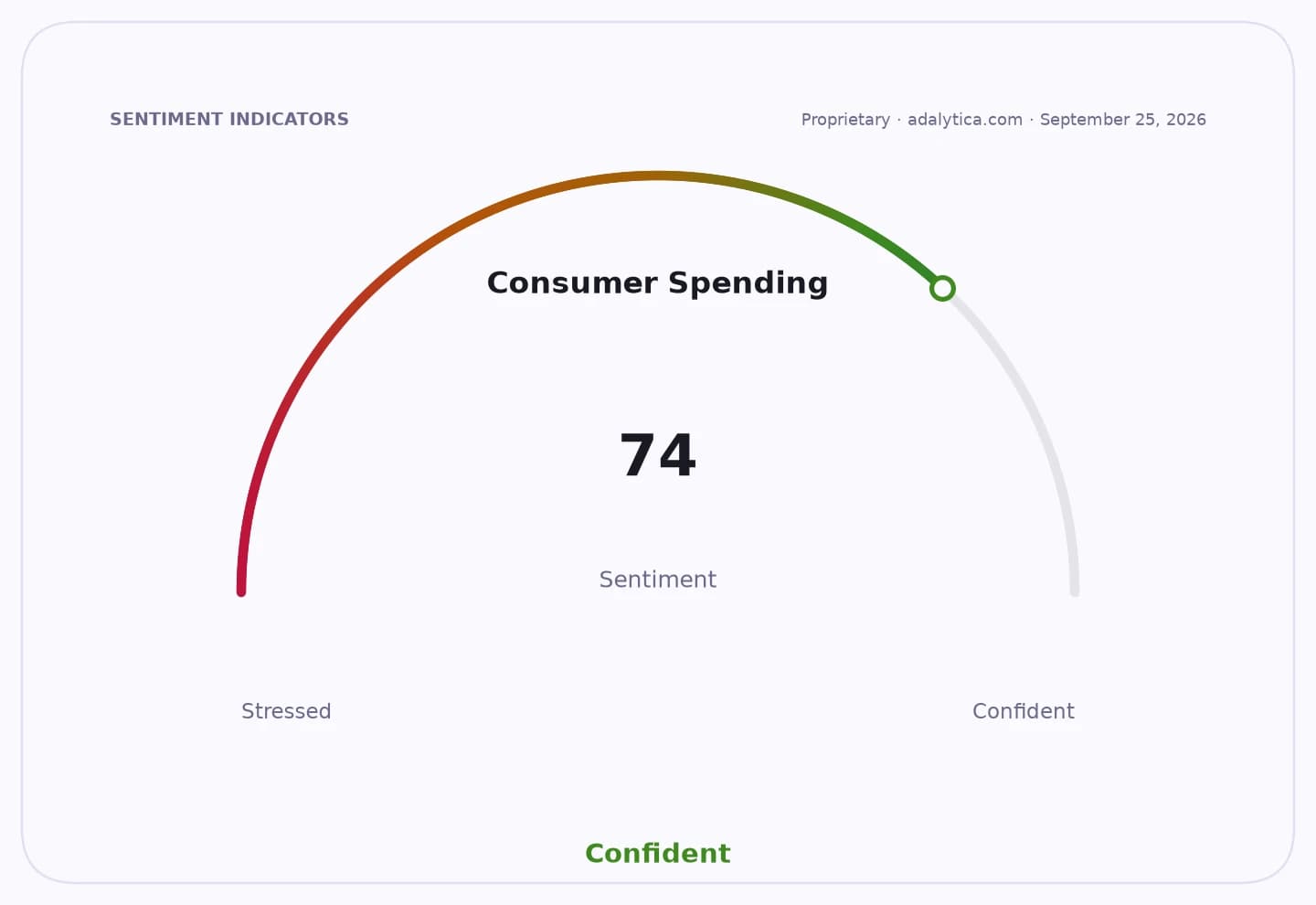
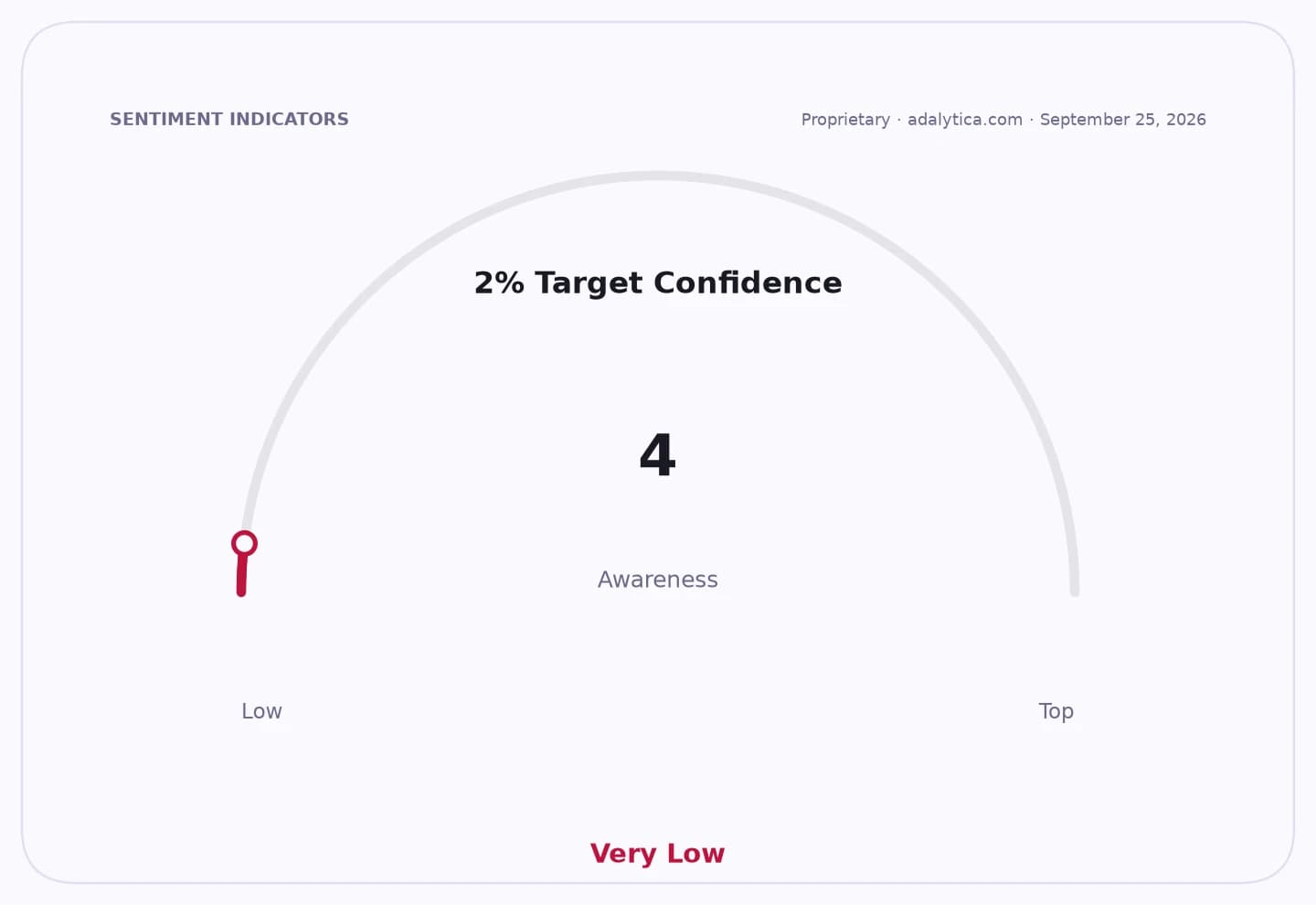
Sentiment IndicatorsⓘProprietary · adalytica.com · July 25, 2026
This is a snapshot — live sentiment, awareness and momentum for 130+ markets update continuously in the dashboard.Open AlphaPulse
The CAG’s finding comes against a backdrop of India still dealing with the long tail of climate and flood-related damage, where emergency aid is not a political footnote but a recurring line item in economic life. Relief payments are supposed to reach households quickly and transparently. When the numbers are padded, the cost is not just reputational. It can distort state accounts, complicate federal reimbursements and raise the risk that scarce resources are steered by politics rather than need.
For investors, this is mainly a governance story, but governance stories matter because they shape risk premiums. States with opaque balance sheets or weak audit trails can face higher borrowing costs over time, and that eventually feeds into the broader sovereign funding environment. India’s large domestic market and deep capital pool usually cushion that risk, but the discipline of public accounts still matters to bondholders, banks and anyone exposed to state-linked infrastructure or development spending.
The report also underlines a more durable theme: climate events are becoming a fiscal and investment issue, not just an emergency-management issue. If relief accounting is unreliable, then estimates of future reconstruction demand, insurance losses and public-sector capex priorities become less dependable too. That is a problem for investors trying to assess everything from municipal finance to contractors, logistics firms and insurers that depend on transparent government demand.
The market may not react dramatically to a single audit finding, but long-term investors should notice the pattern. Transparent institutions support better capital allocation, while fuzzy public accounts do the opposite. In a country where growth is still powerful and corporate earnings can compound for years, that distinction matters.
For investors, the best response is not to trade the headline, but to keep favoring businesses and funds with clean governance, strong cash flow and limited dependence on discretionary state support. This is the kind of development worth adding to the watchlist, not because it changes the economy overnight, but because it reminds you that compounding works best where rules, records and accountability are strongest.
| Entity | Gains | Losses |
|---|---|---|
| West Bengal government | ▲Short-term political cover | ▼Audit credibility |
| Taxpayers and disaster victims | ▲Better scrutiny of spending | ▼Delayed trust in relief delivery |
| Bondholders and lenders | ▲Clearer risk pricing | ▼Weaker fiscal confidence |
| Transparent contractors/insurers | ▲Stronger governance environment | ▼Opaque public-finance rivals |