Western Australia’s push to restrict cigarette sales to supermarkets and a handful of larger outlets could eliminate more than 80% of tobacco retailers under one modeled scenario, a policy shift that would tighten access, reshape convenience-store sales and add fresh pressure to an industry already facing falling cigarette volumes.
Western Australia cigarette sales limit plan
For investors in tobacco names such as British American Tobacco, Altria and Philip Morris, the economic significance is not the lost shelf space itself but the cumulative squeeze on distribution. A narrower retail network typically means fewer impulse purchases, lower visibility at point of sale and more bargaining power shifting to the surviving large-format chains that control traffic.
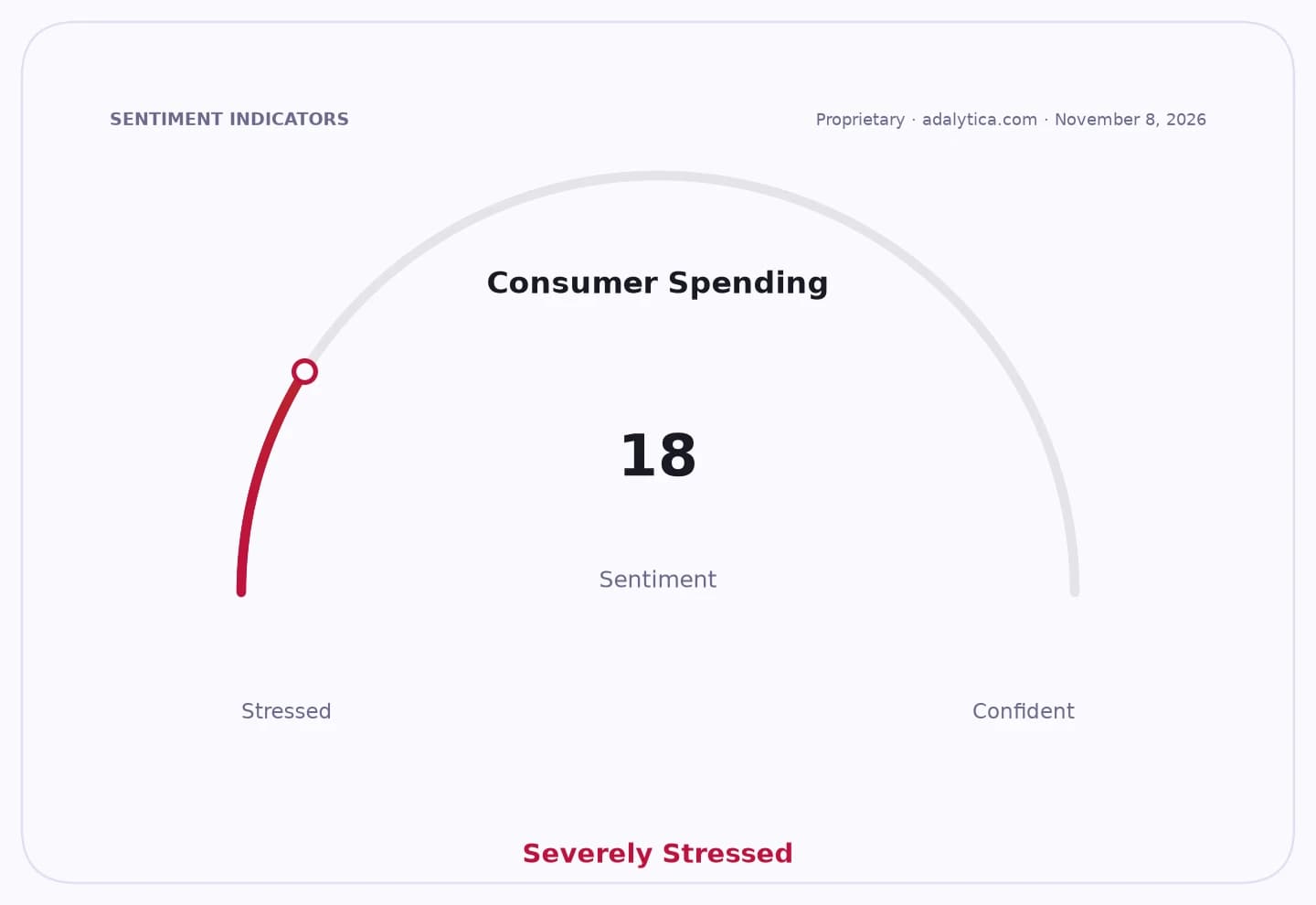
Sentiment Indicators
The proposal fits a broader public-health crackdown that is gaining traction in multiple markets, including tougher enforcement against tobacco bans and illegal sales. That matters because regulatory limits on where cigarettes can be sold often have a faster effect on consumption patterns than tax changes alone, especially when they reduce convenient access in everyday shopping trips.
Shares of BTI, MO and PM have all been moving on shifting expectations around nicotine regulation and product mix. BTI closed at $60.89 on Nov. 6, while MO ended at $76.12 and PM at $197.88, leaving the group near elevated levels even as the policy backdrop stays hostile to combustible tobacco.
The market is likely to focus less on immediate earnings damage in Australia and more on what the model implies elsewhere. If governments in other jurisdictions copy a supermarket-only framework or expand similar limits to convenience stores and petrol stations, tobacco companies could face a slower, more structural erosion in cigarette sales than investors are currently pricing in.
The next catalyst will be whether the Western Australia plan advances from modeling into legislation and whether other states or countries use it as a template for broader retail restrictions.
| Entity | Gains | Losses |
|---|---|---|
| Supermarkets | ▲More cigarette foot traffic | ▼Compliance burden |
| Small tobacco retailers | ▲— | ▼Loss of sales license |
| Tobacco makers | ▲Larger-chain access | ▼Fewer retail outlets |
| Public health campaigners | ▲Lower cigarette availability | ▼Slower policy rollout |