Queensland’s e-mobility boom has become a mass-market transport story, with households spending $2.2 billion on nearly one million privately owned devices even as the state moves to crack down on non-compliant models.
Queensland E-bike Spending Hits $2.2 Billion
Consumer Spending
That matters because this is no longer a niche urban trend. A University of Queensland survey found one in three households owns an e-bike, e-scooter or similar device, including strong uptake in rural and remote areas. For investors, the signal is bigger than the headline number: a transport category that was once marketed as convenience for city commuters is now embedded in everyday household spending, with implications for retail sales, battery suppliers, repair services, insurers and shared-mobility operators.
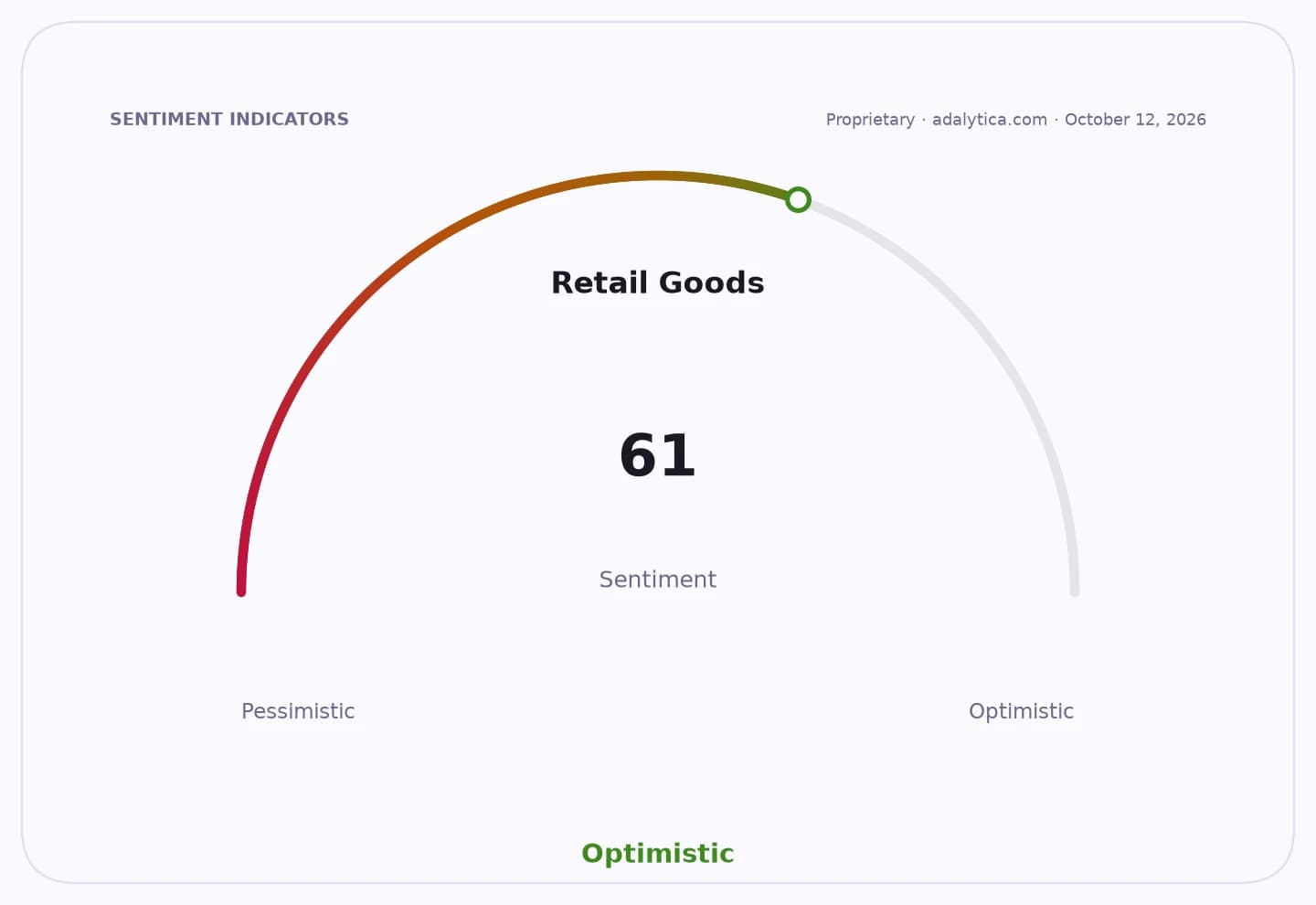
Sentiment Indicators
The study, funded by Transport and Main Roads, estimated 587,000 e-bikes, 352,100 e-scooters and 30,400 other devices such as e-skateboards across the state. Annual purchases nearly quadrupled between 2020 and 2025, rising about 297% to 199,600 devices a year. Those are the kind of growth rates that tell you a product category has crossed from early adoption into mainstream consumer behavior.
The economics are straightforward. Households are buying these devices because they are cheaper than cars for short trips, reduce reliance on private vehicles and offer a level of independence that appeals to families, younger riders and, increasingly, older Australians. More than half of the primary users of privately owned devices were aged 50 or older, according to the survey, which should broaden the market’s appeal well beyond the stereotypical teenager on a scooter.
There is also a meaningful substitution effect. The study said owners rode 1.46 billion kilometres on their own devices, while another 130 million kilometres were travelled on rented devices. For one in four users, a private car is the only alternative. That means e-mobility is not just a lifestyle purchase; for many households it is a real change in how they move around, which can eventually influence fuel demand, parking patterns, car ownership decisions and local infrastructure spending.
But the boom is running into the usual friction that follows rapid adoption. Queensland has introduced new laws after a state inquiry, with riders facing fines and device confiscation for breaches. About half of privately owned devices were classified as non-compliant based on self-reported speed, power and throttle characteristics. The most common issue was maximum powered speed above 25 km/h, followed by e-bikes over 250W.
That tension is important for investors because regulation often decides which growth stories become durable businesses and which get squeezed. Stricter enforcement may hurt sellers of non-compliant devices and slow some of the fastest-growing channels, but it could also favor higher-quality manufacturers, compliant imports, helmet makers, safety equipment suppliers and operators that can prove they are aligned with the rules.
The bigger investment takeaway is that this market is still being shaped. E-mobility in Queensland has clearly moved from experimentation to habit, yet safety, infrastructure and legality will determine how much of that $2.2 billion spend turns into a stable long-term category. For long-term investors, that means watching not just device sales, but who is best positioned to benefit as the market professionalizes and the rules get stricter. Worth watching.
| Entity | Gains | Losses |
|---|---|---|
| Compliant e-bike makers | ▲Safer long-term demand | ▼Non-compliant rivals |
| Queensland households | ▲Cheaper transport options | ▼Higher fines and confiscation risk |
| Local retailers and repair shops | ▲More device sales and servicing | ▼Sales of illegal models |
| Regulators and road users | ▲Better safety oversight | ▼Fast-growth sales of unsafe devices |