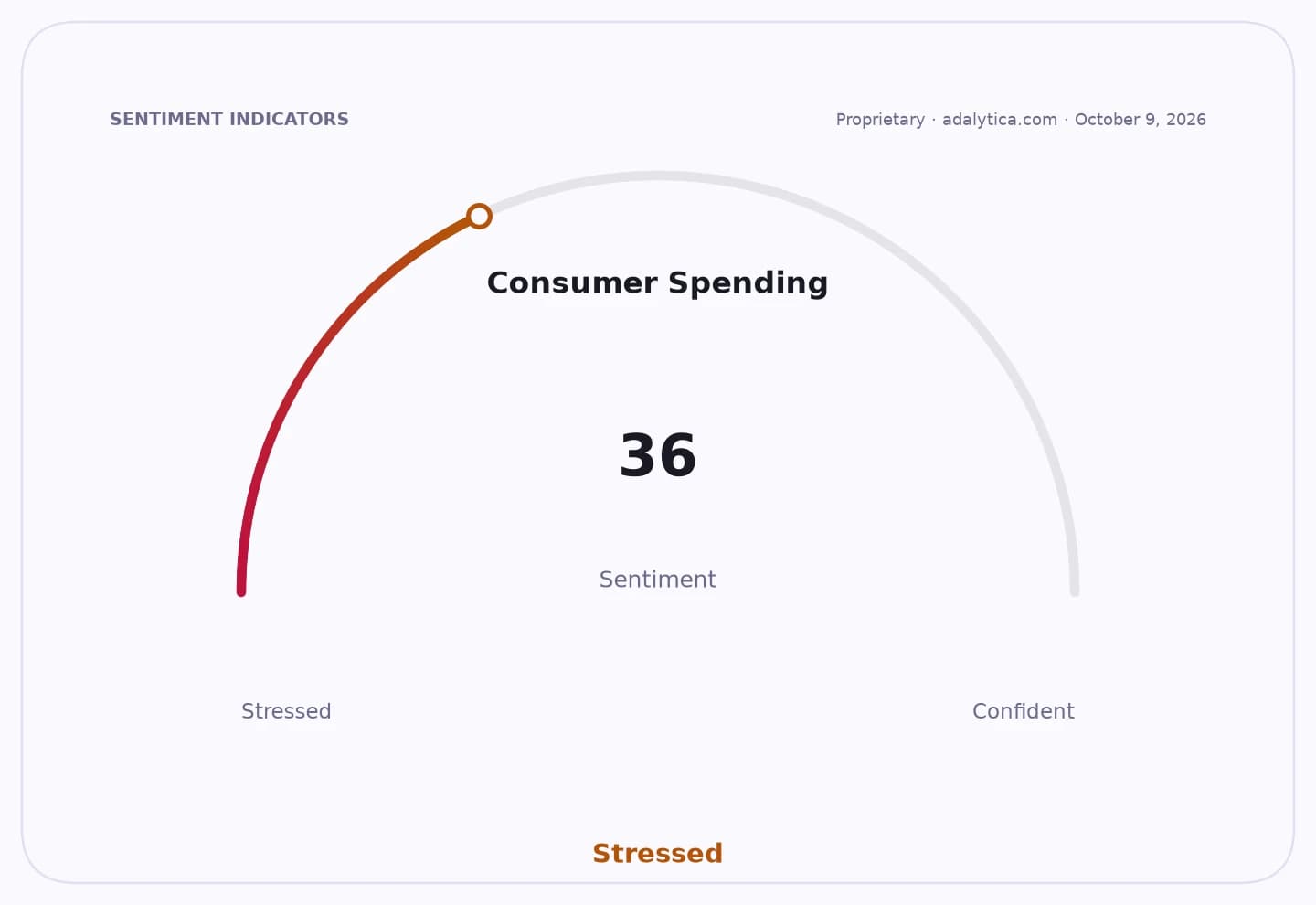
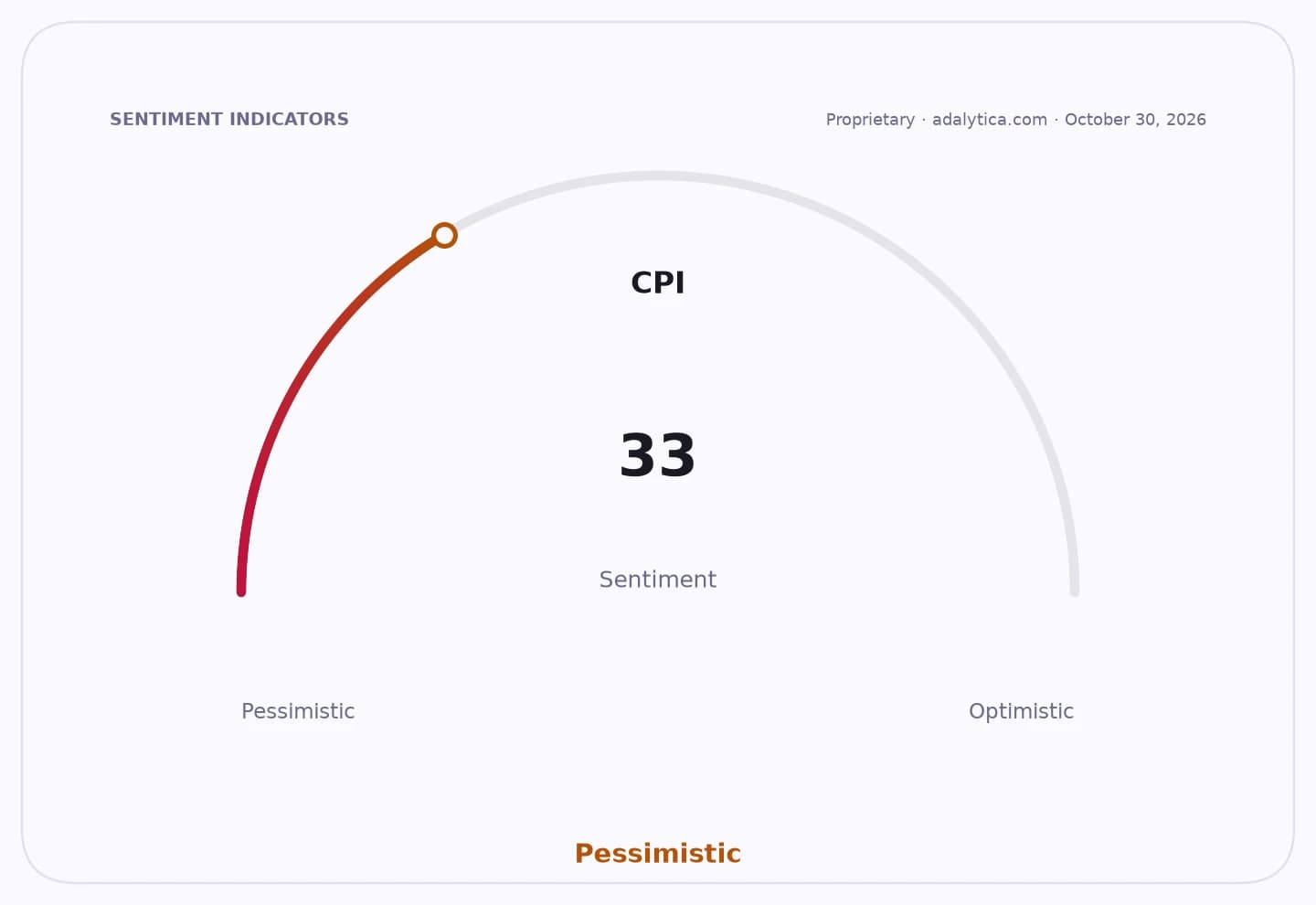
The Western Cape has become South Africa’s hottest inflation pocket, with consumer prices rising 5.5% in the year to September, a full percentage point above the national rate and a sign that the country’s cost-of-living squeeze is hitting provinces very differently.
Western Cape inflation hits 5.5% in September
That matters because inflation is never just an abstract national average. For households in the Western Cape, faster price growth means wages, rents and fixed incomes are losing purchasing power more quickly than elsewhere in the country. For investors, it also underscores how uneven local inflation can affect spending, housing demand, transport costs and the businesses that rely on consumer resilience in one of South Africa’s wealthiest provinces.
Statistics South Africa said national inflation rose to 4.5% in September, its second straight monthly increase and still below many forecasts. But the provincial breakdown tells a harsher story for the Western Cape, where monthly inflation rose 0.5%, slightly above the national 0.4%, and the annual pace was the highest in the country. The Eastern Cape was the only other province above the national average, at 4.7%.
The pressure is coming from broad-based essentials. Food prices in the Western Cape climbed 3.1% year on year, compared with just 0.7% nationally, with fish and seafood up 9.1%, vegetables up 5.9% and milk and dairy up 4.5%. Housing costs are also a burden, with actual rentals up 5.9%, while health services rose 4.7%.
Transport and utilities are adding to the strain. Fuel prices jumped 29.2% in the province and passenger transport increased 14.2%. Water supply and miscellaneous services rose 10.1%, while electricity climbed 6.8%. Insurance was also more expensive, up 6.3% in the Western Cape versus 5.5% nationally.
For investors, the regional inflation gap is a reminder that South Africa’s consumer story is not uniform. Companies with exposure to Western Cape households may face more pressure on discretionary spending, while landlords, utilities and transport-linked businesses may benefit from pricing power but also risk demand destruction if costs keep rising. More broadly, stubborn inflation can complicate rate-cut expectations and keep the rand and local asset prices sensitive to every fresh reading.
The bigger investment lesson is that inflation hits first where housing, food and transport costs are already elevated. If the Western Cape remains South Africa’s growth and wealth engine, persistent price pressure there could eventually shape migration, retail demand and property trends across the province. For long-term investors, it is worth watching whether this turns into a short-lived spike or a more durable cost-of-living problem.
| Entity | Gains | Losses |
|---|---|---|
| Western Cape businesses with pricing power | ▲Higher nominal revenue | ▼Consumer demand if inflation persists |
| Rent collectors and utilities | ▲Stronger bill growth | ▼Households and tenants |
| Western Cape consumers | ▲None | ▼Real purchasing power |
| South African equities and the rand | ▲Possible inflation hedge appeal | ▼Rate-cut hopes and sentiment |