South Africa’s retail sales rose 3.3% year on year in August, a sign household spending is still holding up even as confidence readings remain deeply depressed and the broader economy struggles with weak growth.
South Africa Retail Sales Rise 3.3% in August

The gain matters because retail trade is one of the clearest real-time gauges of consumer demand, and in South Africa that demand has been fragile for much of the past two years. A 3.3% increase suggests shoppers are still absorbing higher prices and interest-rate pain well enough to support nominal sales growth, offering a modest buffer for an economy that has been held back by unemployment, infrastructure bottlenecks and limited credit growth.
Sentiment IndicatorsⓘProprietary · adalytica.com · October 26, 2026
This is a snapshot — live sentiment, awareness and momentum for 130+ markets update continuously in the dashboard.Open AlphaPulse
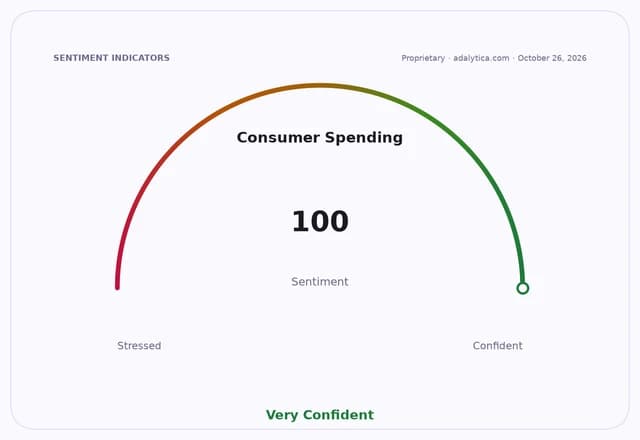
For policymakers, the number argues against reading the consumer sector as being in outright contraction. It does not point to a spending boom, but it does indicate that household demand has not broken down. That leaves the South African Reserve Bank with less immediate pressure to cut rates aggressively, even if inflation remains contained, because stronger-than-feared retail activity can keep underlying demand firmer than expected.
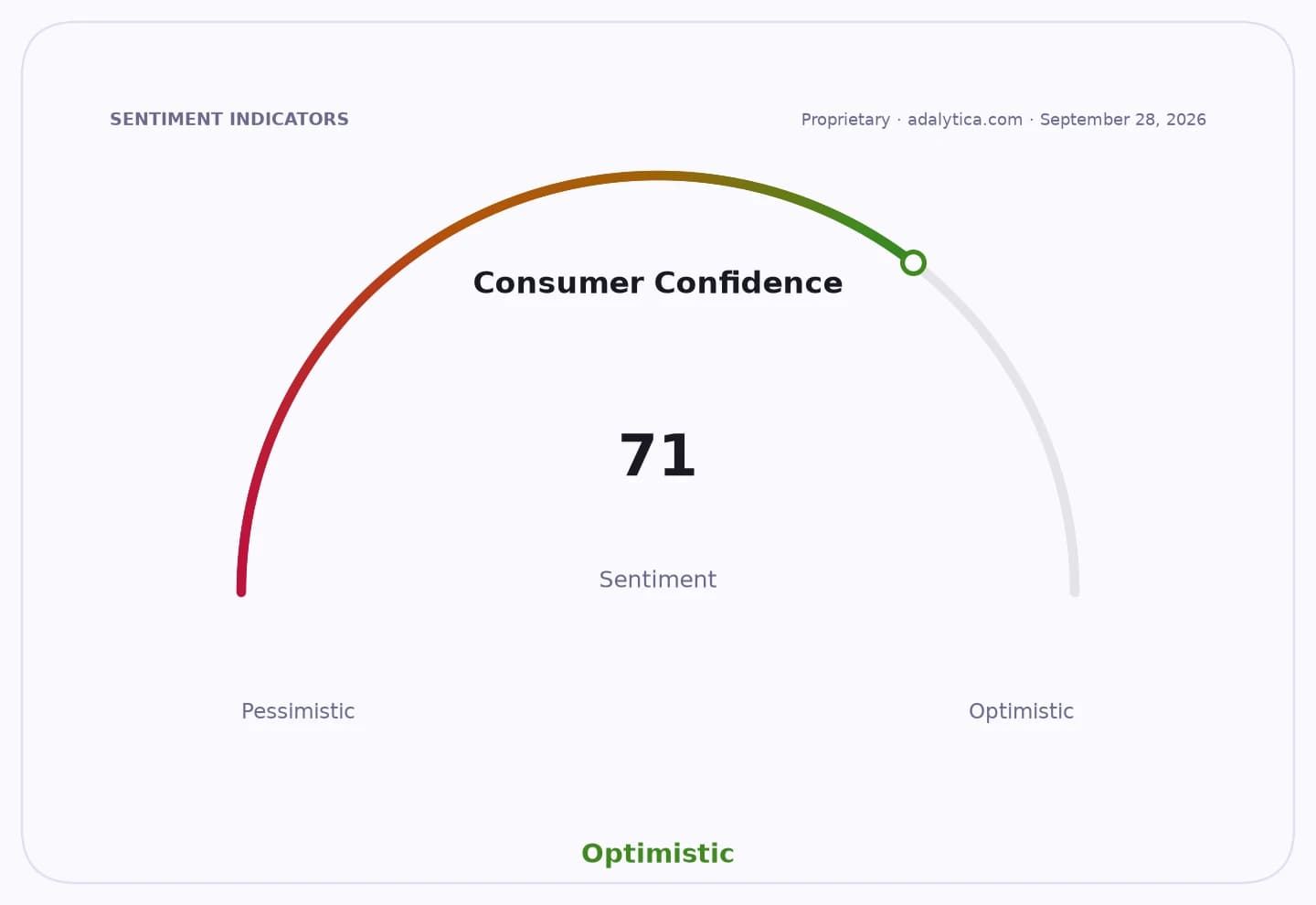
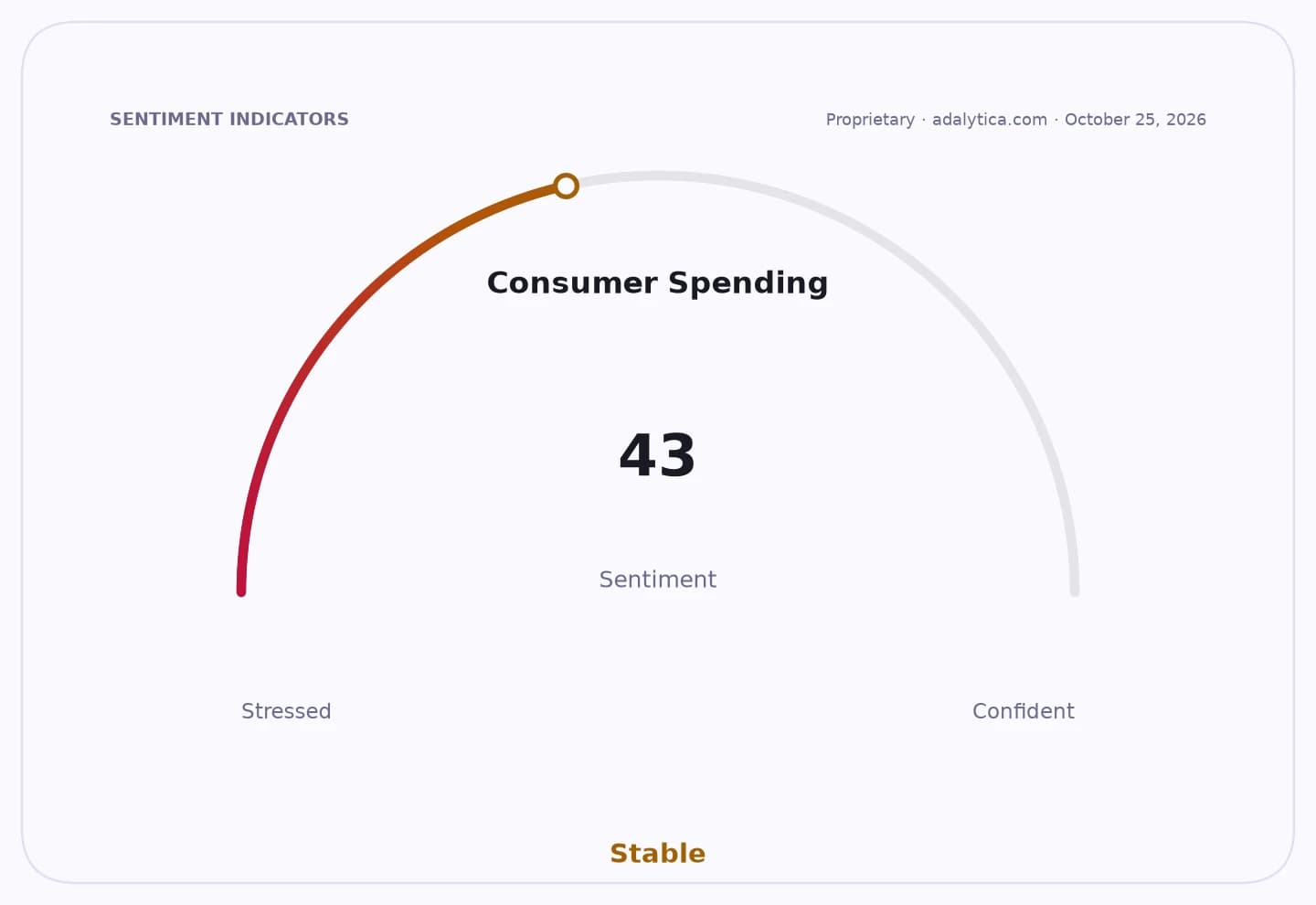
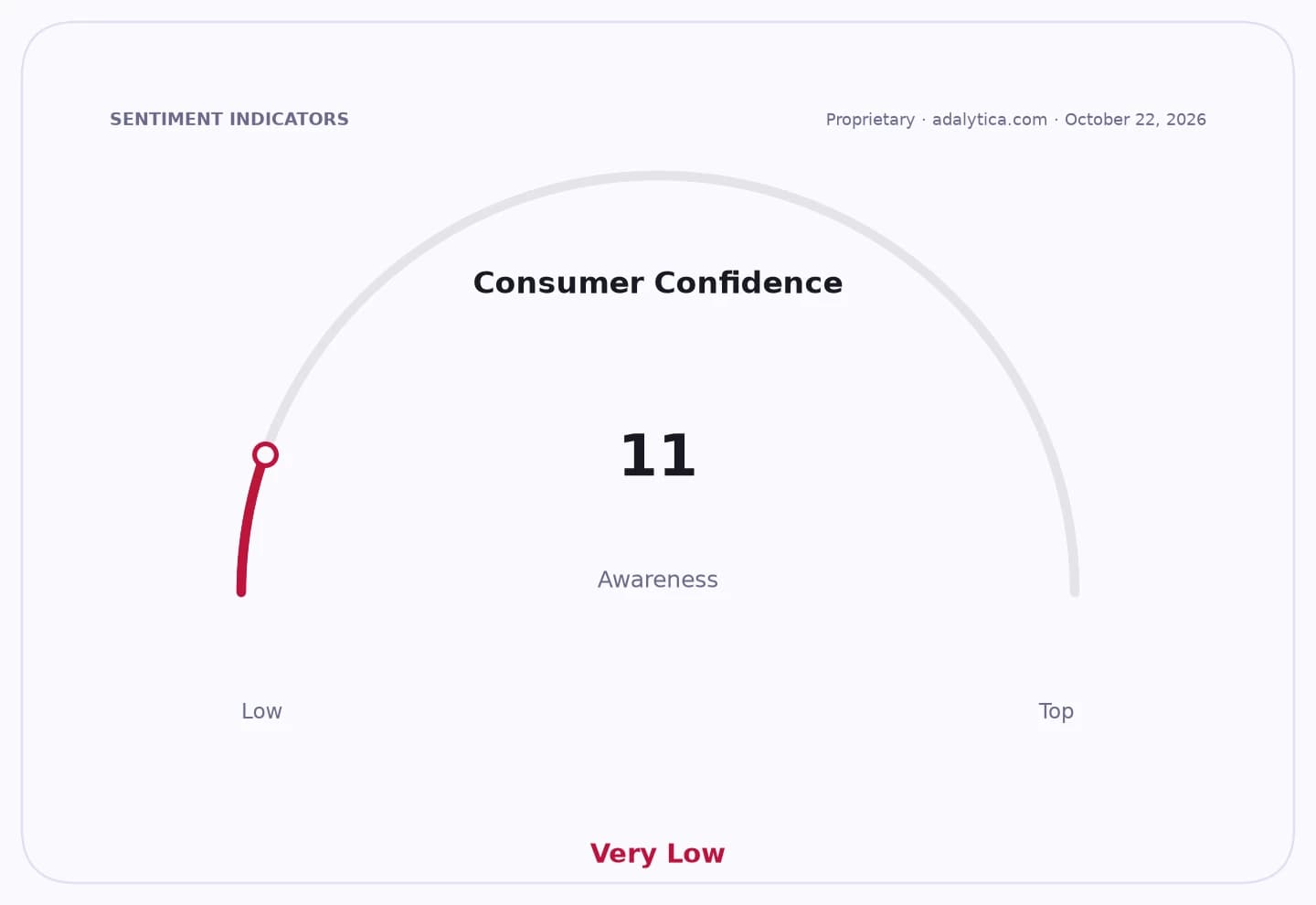
The data also matters for investors exposed to South African consumer stocks, banks and retailers. A better retail print supports expectations that earnings for food, general merchandise and home-improvement chains may prove more resilient than feared. It may also help lenders if spending remains orderly rather than collapsing into arrears-driven weakness. But the backdrop remains uneven: consumer confidence indicators are still extremely weak, suggesting the household sector is spending from necessity rather than optimism.
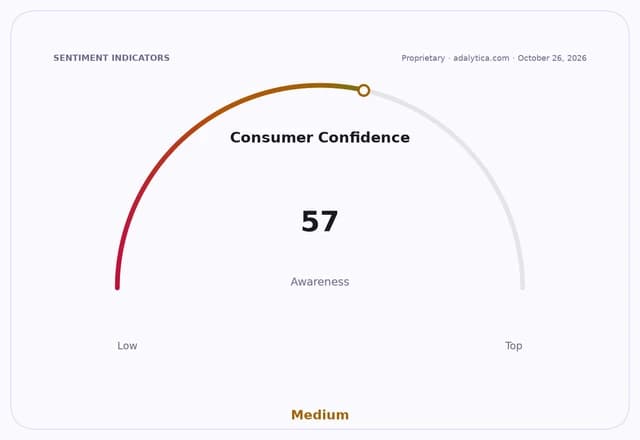
That tension is the key narrative. South African consumers are still buying, but not because the outlook is improving. The August retail figure points to a spending floor that is holding for now, yet the disconnect between sales growth and confidence leaves the recovery vulnerable to any deterioration in jobs, wages or borrowing costs. For markets, that means the short-term signal is supportive, but not enough to reprice the country’s consumer cycle as durable.
| Entity | Gains | Losses |
|---|---|---|
| South African retailers | ▲Higher sales volumes | ▼Pricing power limits remain |
| Consumers | ▲Better product availability | ▼Squeeze from weak real incomes |
| Banks | ▲Steadier loan performance | ▼Slower rate-cut relief |
| South African Reserve Bank | ▲Less urgency to ease | ▼Less room to support growth |