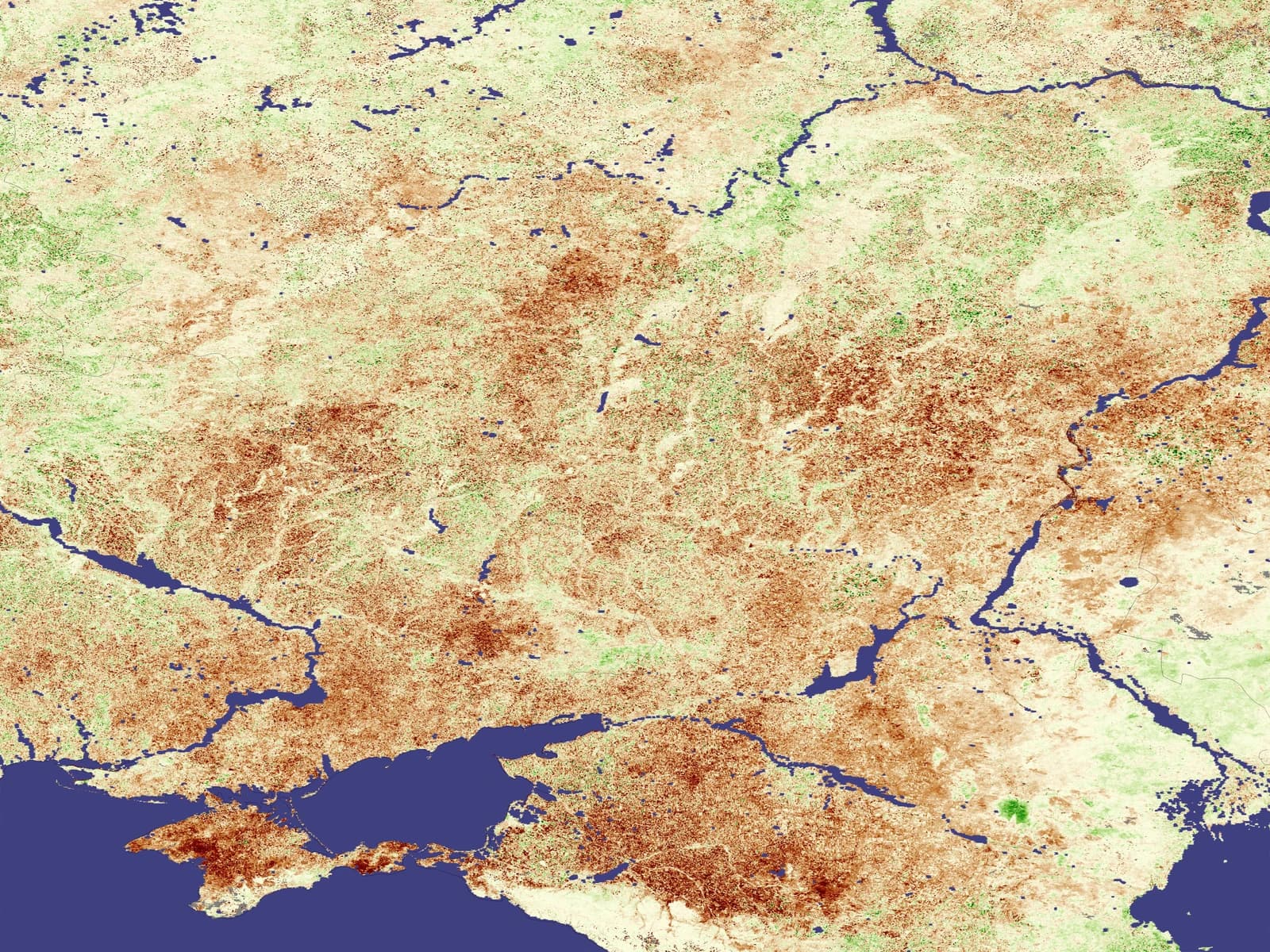
Wheat slid while soybeans and corn stayed steady as traders weighed improving odds that Black Sea grain shipments can move with fewer disruptions, easing one of the market’s most important supply risks.
Wheat Falls on Better Black Sea Export Prospects

That matters because wheat has been the most sensitive of the three crops to the region’s war-driven logistics shocks. Russia and Ukraine account for roughly 30% of global wheat exports, so even modest signs of safer passage through the Black Sea can quickly pressure prices. For food inflation, that is the difference between a fragile supply chain and a market that can begin to normalize.
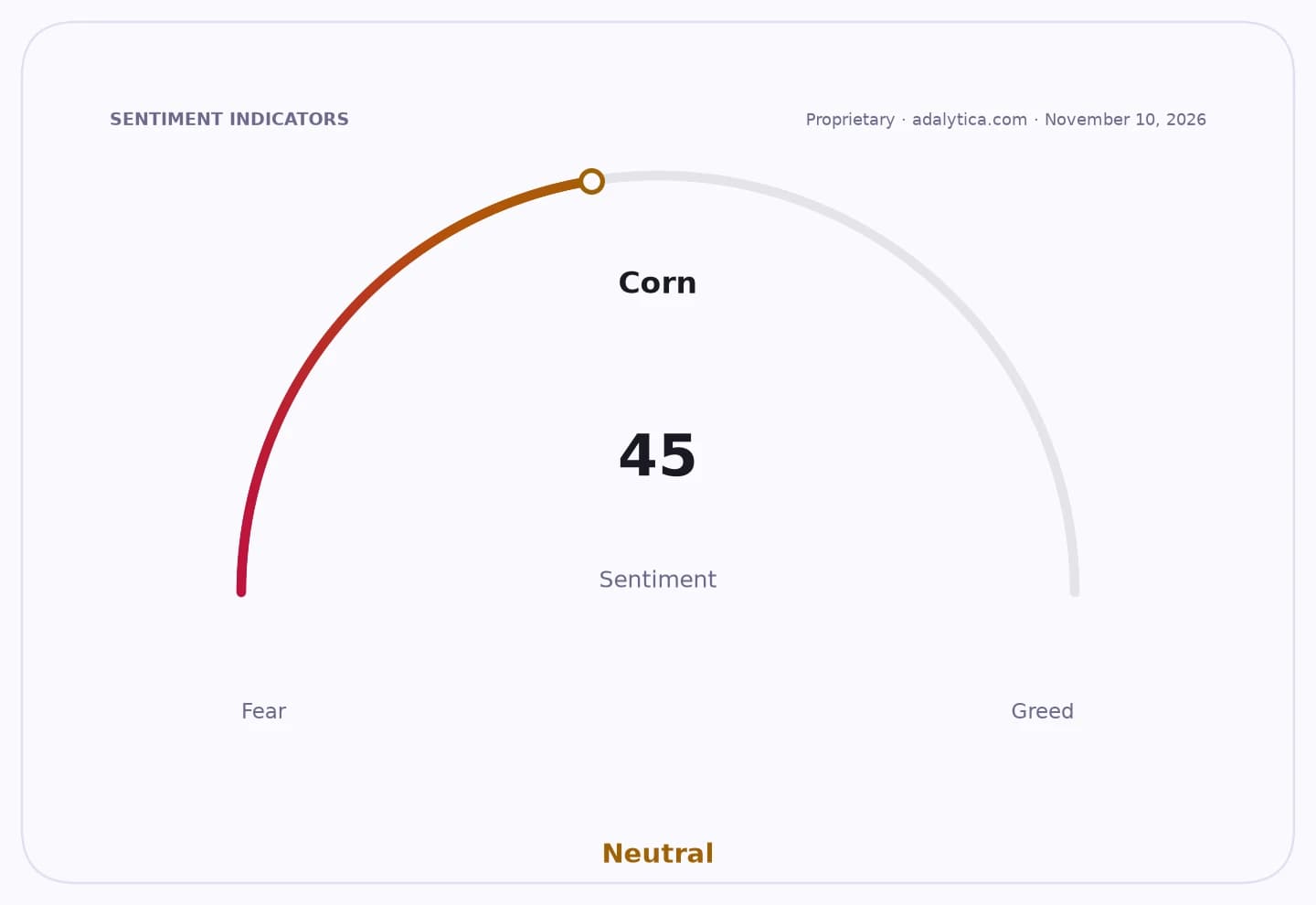
Sentiment Indicators
On the session, wheat-linked WEAT rose off its recent lows to $22.18, but the broader trend still reflects a sharp reset from November’s washout, when it dropped to $21.65 and the relative strength index fell into deeply oversold territory at 9.4. The fund remains below its 50-day moving average of $24.42, showing that the market has not yet fully repaired the damage from the latest supply scare unwind. Still, the bounce suggests short-covering is building as traders reassess Black Sea risk.
Soybeans and corn were quieter. SOYB finished at $25.95, just under its 50-day average of $27.06, while CORN closed at $17.37 versus a 50-day average of $18.73. Both markets had already been dealing with softer momentum, but neither saw the same kind of liquidation that hit wheat. That is the key tell: investors are treating wheat as the most directly levered way to play any improvement in regional shipping conditions, while soybeans and corn are being left in a holding pattern.
The macro read-through is straightforward. Better Black Sea prospects can ease the food-inflation pressure that has been hanging over emerging markets, livestock producers and consumer staples companies. It also reduces the premium embedded in grain prices for geopolitical disruption, which tends to favor importers and processors over exporters and speculative longs.
For investors, the setup is about dispersion, not just direction. If Black Sea conditions continue to improve, wheat is the crop most exposed to further downside, while corn and soybeans may lag but remain more insulated unless the trade starts pricing in a broader global supply normalization. That makes wheat the cleaner tactical trade and grain ETFs a more nuanced bet on whether the region’s export lanes truly stabilize.
The next catalyst is not just weather or shipping data, but diplomacy. Any credible move toward a partial ceasefire or protected corridor for grain exports would likely extend the pressure on wheat first, then bleed into the broader agricultural complex. For now, the market is telling you the same thing the geopolitics are: relief in the Black Sea is bearish for wheat, but not yet enough to break the whole grain complex.
| Entity | Gains | Losses |
|---|---|---|
| Wheat importers | ▲Lower input costs | ▼None |
| Black Sea exporters | ▲Easier shipment flow | ▼Less price premium |
| Wheat bulls | ▲— | ▼Supply-risk premium fades |
| Food processors | ▲Cheaper grain feedstock | ▼None |