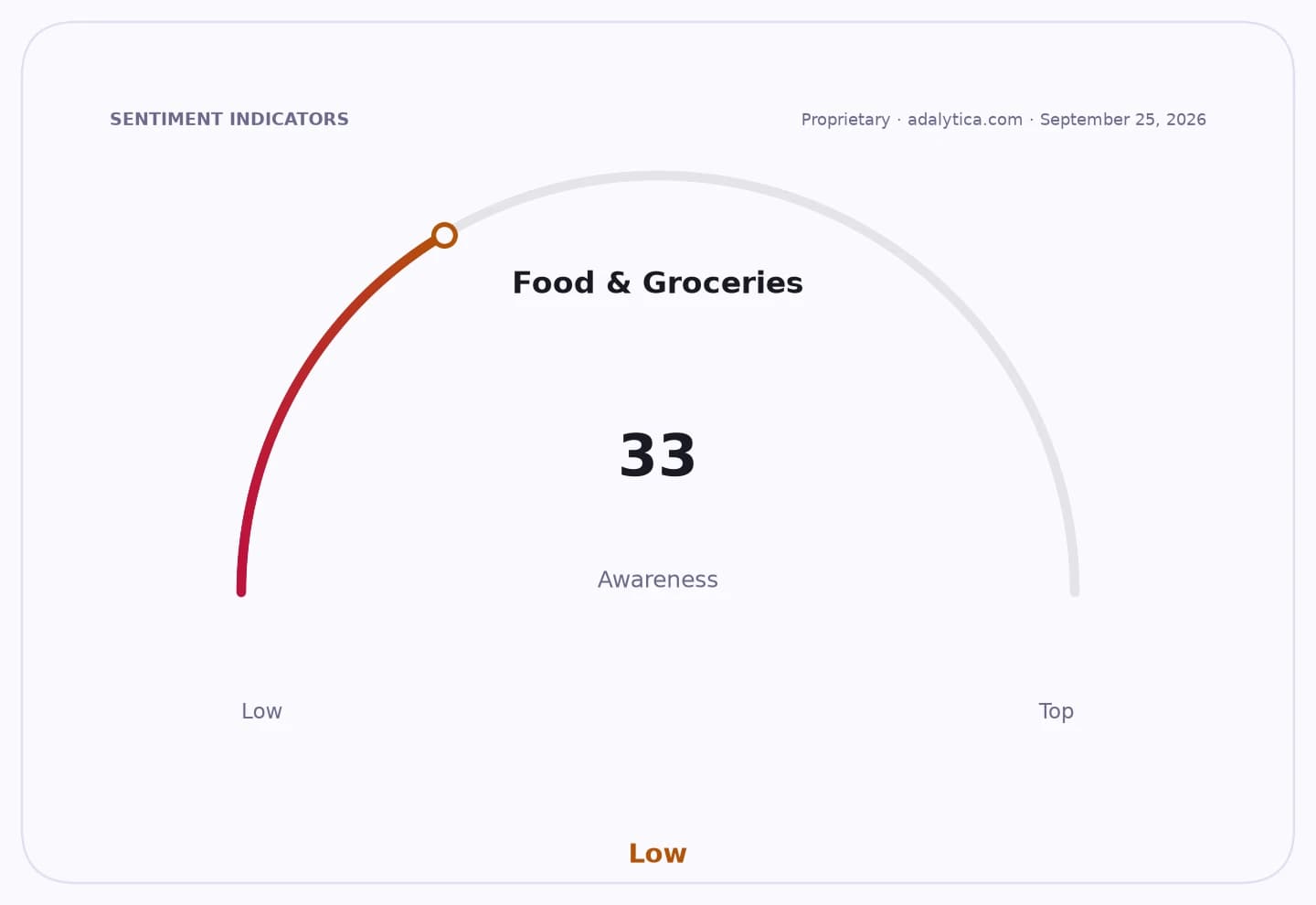
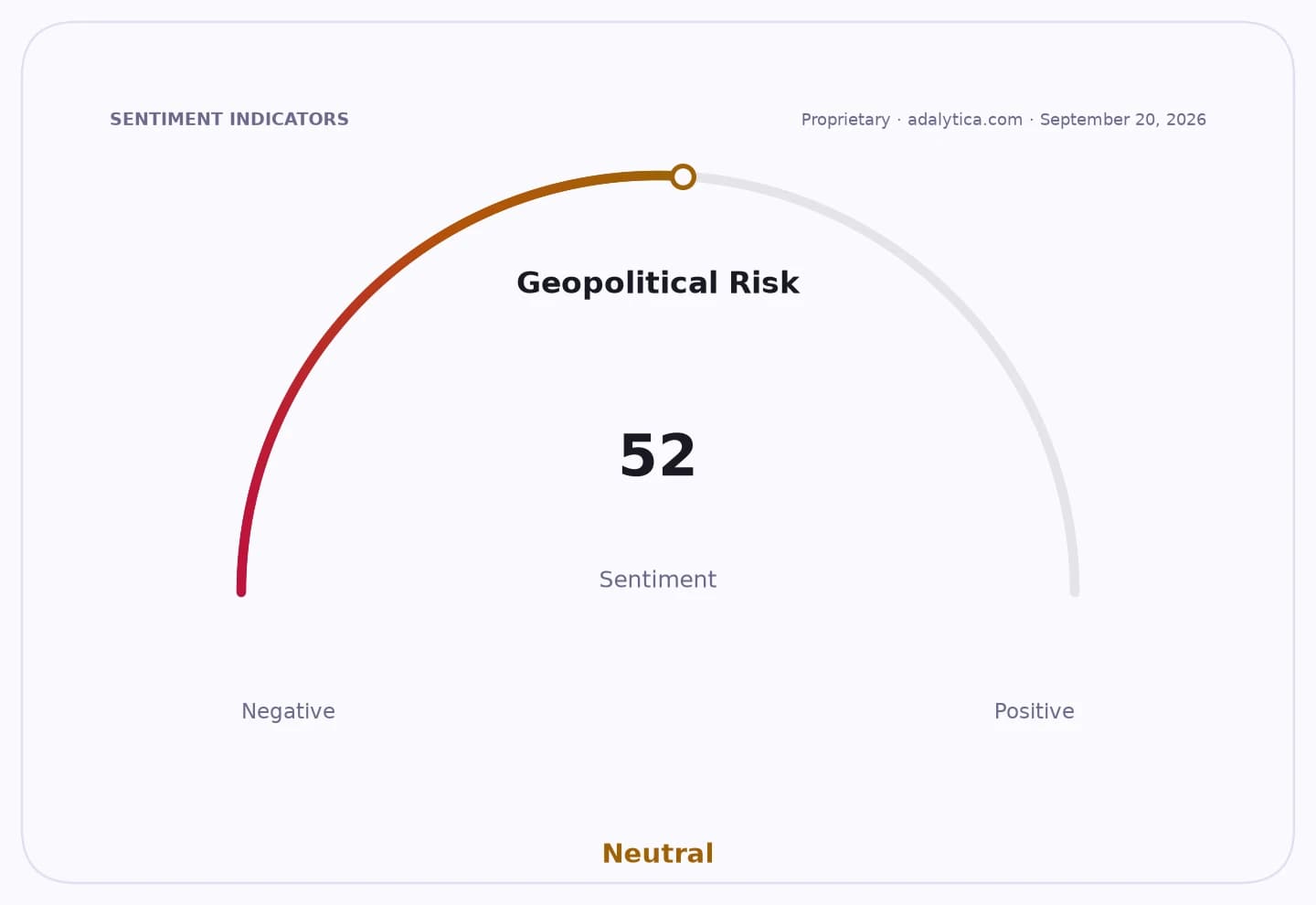
Wheat prices fell sharply after Vladimir Putin said a peace deal on Ukraine could be possible, triggering a fast unwind in one of agriculture’s hottest geopolitical trades.
Wheat Falls on Putin Peace Deal Comments
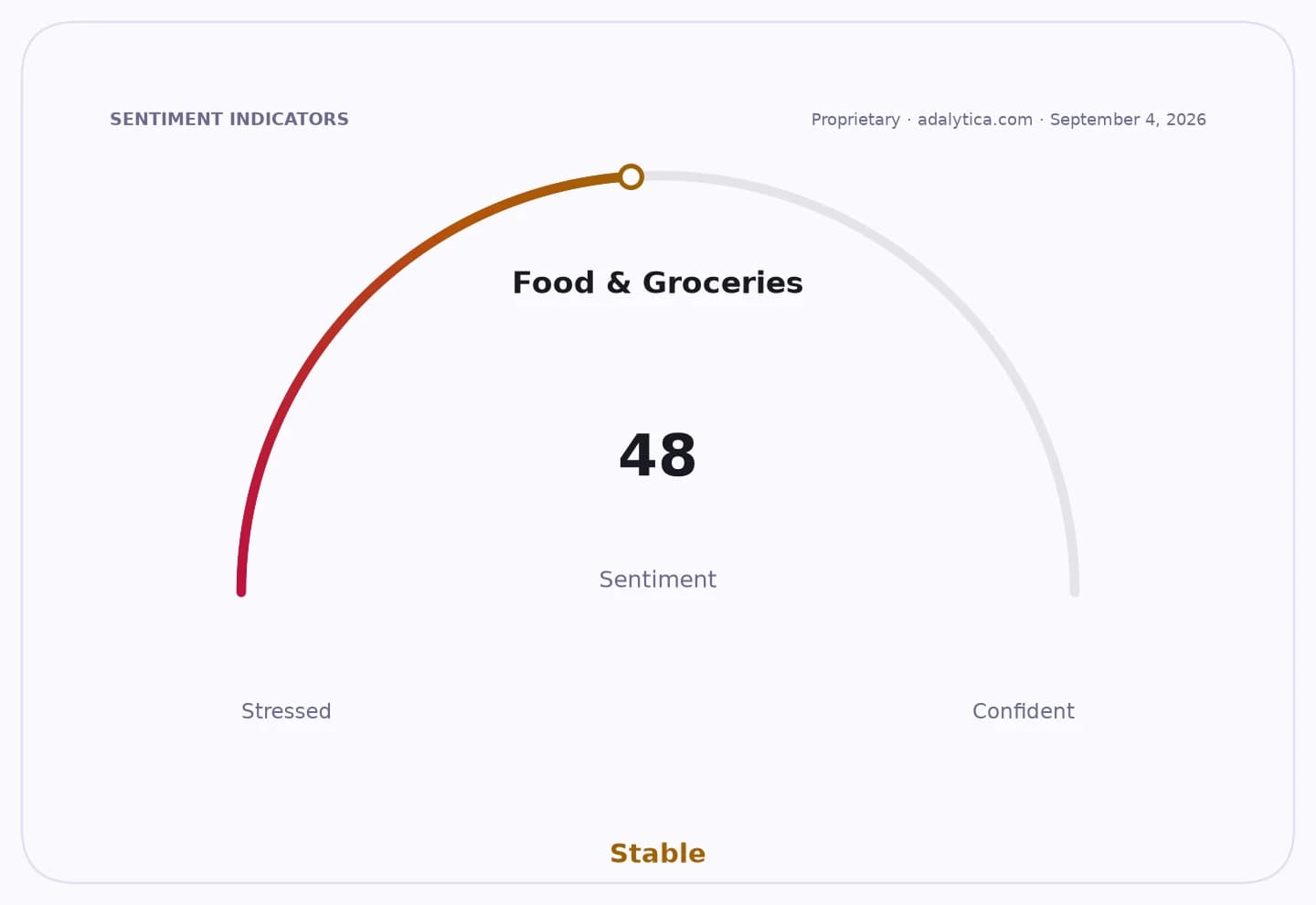
The move matters because wheat had become heavily bid on fears that Black Sea shipping could be disrupted for longer, pushing Chicago futures to a fresh surge earlier in the week and leaving the market technically stretched. Once the possibility of a diplomatic off-ramp entered the tape, traders moved to lock in profits, pulling benchmark Chicago soft red wheat down 3.6% and knocking roughly $8 a tonne off deferred May contracts. The front-month contract finished around $270 a tonne after briefly losing as much as $12 intraday.
That correction is important for inflation, food costs and positioning. Wheat is one of the most politically sensitive crops in the world, and when it rallies, the pressure ripples through flour, bread, animal feed and broader grain markets. When it sells off, as it did here, it can quickly ease some of the panic premium built into prices. Corn slid 2.3% from three-year highs and soybeans fell 0.9%, underscoring how much of the recent grain rally had been driven by war risk rather than just fundamentals.
But the market should not confuse a softer headline with a real resolution. The physical bottlenecks in the Black Sea remain in place, and Ukraine’s grain and oilseed exports dropped to 1.2 million tonnes in August from 2.5 million in July. That is the real economic variable investors need to watch: flows, not rhetoric. As long as shipment risk remains elevated, global buyers will keep diversifying supply, and the price floor under wheat will stay higher than it was before the conflict.
That is where the investable narrative gets more interesting. A short-term pullback after Putin’s remarks may look like relief, but the bigger trend is still a structurally tighter global grain market shaped by geopolitics, weather and logistics. Importers in Asia already booked at least 500,000 tonnes of wheat from Australia and Argentina to secure supply, showing that demand is re-routing rather than disappearing. That supports exporters outside the Black Sea and keeps volatility elevated in grain-linked assets.
For investors, this is less a clean bearish turn than a trading reset inside a longer bullish commodity cycle. The market underestimates how quickly a headline-driven selloff can create opportunity in the names and funds tied to agricultural supply chains, grain shippers, storage, freight and broad commodity exposure. The 50-day moving average and RSI readings on wheat-related vehicles still point to a market that has been extended at times, but the underlying story remains one of scarcity insurance, not abundance.
If you are looking for the next move, the message is simple: buy the beneficiaries of persistent grain insecurity, not the illusion of peace. Until Black Sea export risk truly fades, wheat volatility is a feature of the market, not a bug.
| Entity | Gains | Losses |
|---|---|---|
| Wheat buyers | ▲Lower input costs | ▼Less urgency to hedge |
| Grain exporters outside Black Sea | ▲More demand from importers | ▼None directly |
| Ukraine/Black Sea exporters | ▲None immediately | ▼Price premium and export uncertainty |
| Short wheat traders | ▲Faster profit-taking gains | ▼Trend reversal risk |