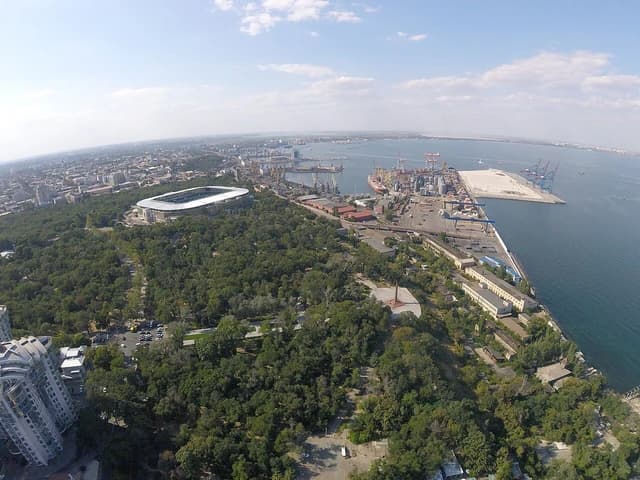
Wheat futures jumped after strikes on Black Sea ports raised the risk of fresh disruption to one of the world’s most important export corridors, sharpening concerns about grain supply, freight costs and food inflation.
Wheat futures rise after Black Sea port strikes

The move matters because the Black Sea remains a critical route for Ukrainian and Russian wheat shipments, and any interruption can quickly tighten near-term availability in global markets. Even when physical damage is limited, the threat of delayed loadings, rerouted cargoes and higher insurance costs can lift prices well beyond the immediate geography of the attacks.
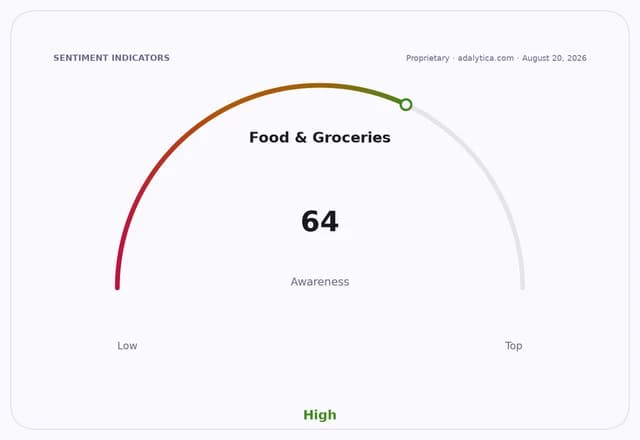
Sentiment IndicatorsⓘProprietary · adalytica.com · August 20, 2026
This is a snapshot — live sentiment, awareness and momentum for 130+ markets update continuously in the dashboard.Open AlphaPulse
That dynamic is already showing up in markets. The WEAT wheat fund rose to $25.34 on Aug. 19 from $24.71 the previous session, while corn also firmed to $18.76 from $18.42. The broader grain complex has been volatile for months, but the latest spike underscores how quickly geopolitics can overwhelm otherwise benign supply expectations. USDA-style price indices point to a more mixed backdrop: world wheat prices have eased from 2023 peaks, yet remain sensitive to any shock to Black Sea logistics, while the broader producer price environment has stayed elevated.
The economic significance is wider than one crop. Wheat feeds into bakery, pasta, animal feed and processed-food costs, so a sustained move higher can pressure consumer inflation just as central banks are trying to prove price stability is durable. Energy is part of the transmission mechanism as well: U.S. crude futures rose to $86.48 a barrel on Aug. 18 from $83.99 on Aug. 14, a reminder that war-related logistics shocks often travel across commodities through freight, fuel and insurance costs.
For investors, the immediate beneficiaries are grain traders, merchandisers and shipping-related businesses that can profit from wider basis spreads and route disruptions. Bunge has already cited rising freight prices as supportive for its ocean freight business, while Archer-Daniels-Midland has flagged geopolitical uncertainty and logistics challenges as factors influencing results. The losers are food manufacturers and retailers with limited pricing power, along with import-dependent countries that must absorb higher landed wheat costs.
Agribusiness equities have responded in a way that reflects both the opportunity and the risk. The WEAT ETF surged to 107.8 from 101.69 on Aug. 18 and 103.08 on Aug. 17, while the corn ETF CORN climbed to 18.76 from 18.42, suggesting traders are positioning for a broader grain re-pricing rather than treating the event as isolated to wheat alone. The jumps also fit with Adalytica’s Food and Grocery Spending sentiment, which moved sharply higher on the day, even as the U.S. dollar’s trade signal stayed in extreme fear territory — a combination that often accompanies demand for hard assets and commodity hedges.
The key question now is whether the Black Sea strike damage proves temporary or develops into a more durable shipping bottleneck. If port access is restored quickly, wheat could give back part of the move. If attacks continue or insurers demand a lasting premium, importers and food companies may be forced into another round of inventory building and price increases, keeping grain markets and food inflation on edge.
| Entity | Gains | Losses |
|---|---|---|
| Wheat traders | ▲Higher volatility | ▼Stable pricing |
| Grain exporters outside Black Sea | ▲Better demand | ▼Oversupply pressure |
| Food manufacturers | ▲Hedging opportunities | ▼Input-cost inflation |
| Importers and consumers | ▲None | ▼Higher food bills |