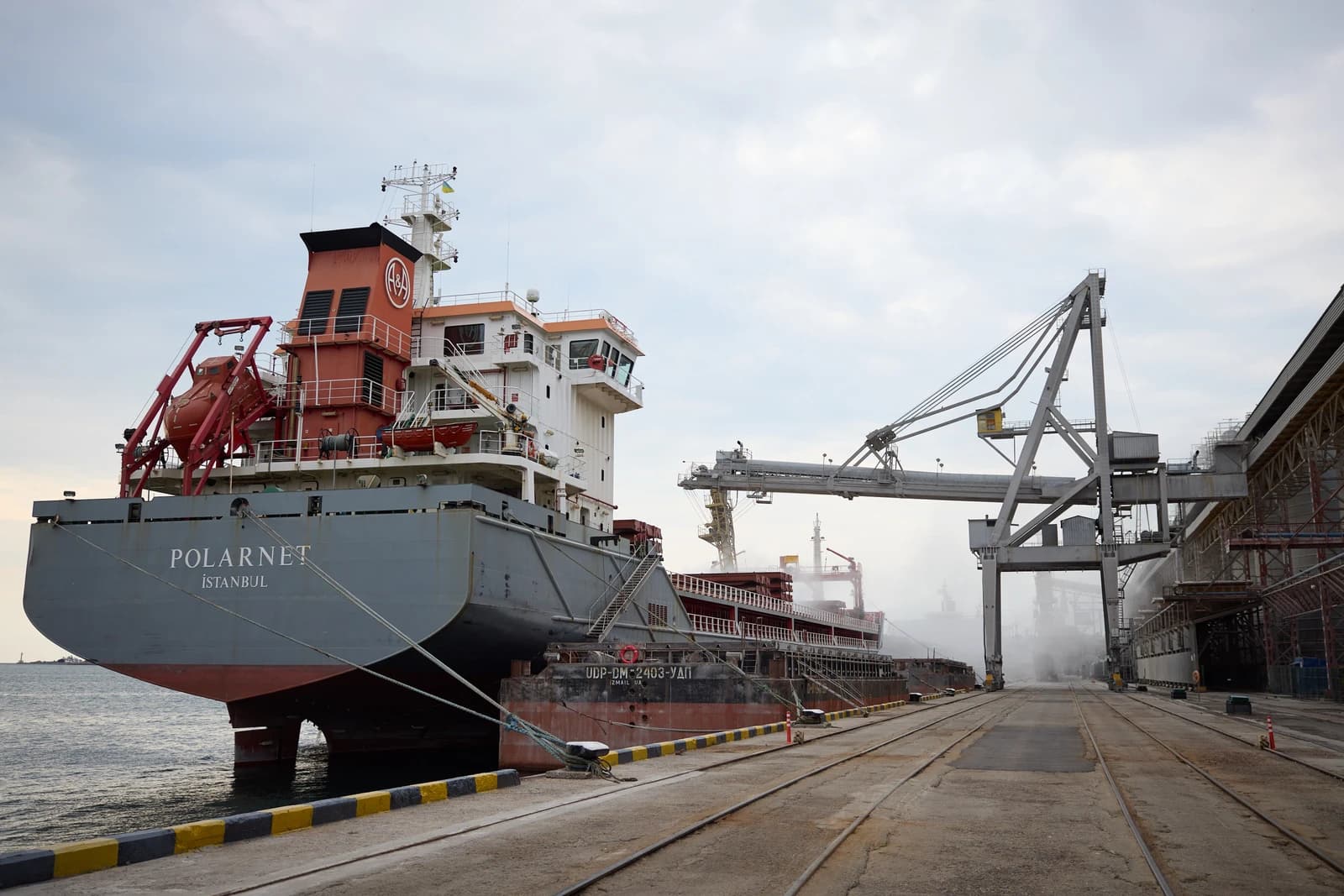
Soybean prices are under pressure from a big American harvest, while wheat is finding support from fresh worries over the Black Sea, a split that shows how quickly grain markets can diverge when supply is plentiful in one crop and geopolitics tighten the screws in another.
Wheat Falls, Soybeans Pressured by U.S. Harvest

For investors, the message is straightforward: agriculture remains a trade driven less by broad inflation headlines than by the specific balance of supply, export flow and weather risk. Soybeans are being weighed down by harvest-time selling in the U.S., which tends to flood the market with new supply and cap rallies. Wheat, by contrast, is benefiting from the market’s enduring concern that Black Sea trade can be disrupted by conflict, sanctions or policy shifts that interrupt exports from a crucial global shipping lane.
Sentiment IndicatorsⓘProprietary · adalytica.com · October 28, 2026
This is a snapshot — live sentiment, awareness and momentum for 130+ markets update continuously in the dashboard.Open AlphaPulse

That divergence matters economically because grains feed directly into livestock costs, food prices and trade balances across major producing and importing nations. When U.S. soybeans are plentiful, the effect is usually lower feed and processing costs downstream, but also slimmer margins for farmers and weaker pricing power for grain holders. Wheat is a different story: even modest risk around the Black Sea can add a geopolitical premium because the region remains central to global wheat shipments. Any disruption there can ripple through flour, bread and food inflation around the world.
The ETF prices reflect that split. WEAT, which tracks wheat, has fallen back sharply from a late-September peak near $27.24 to $22.35 on Oct. 27, but it remains above its 200-day moving average at $25.04 only marginally? Actually, the more telling point is the recent collapse in momentum: the fund is trading well below its 50-day average of $25.38, with an RSI reading near 5.9, a level that suggests deeply oversold conditions. SOYB, the soybean fund, has also weakened, slipping to $26.27 from $28.14 in mid-September and sitting below its 50-day average of $27.24, with its RSI near 16.7. CORN has followed the same path, dropping to $17.44 from $20.27 in September and trading below both its 50-day and 200-day moving averages.
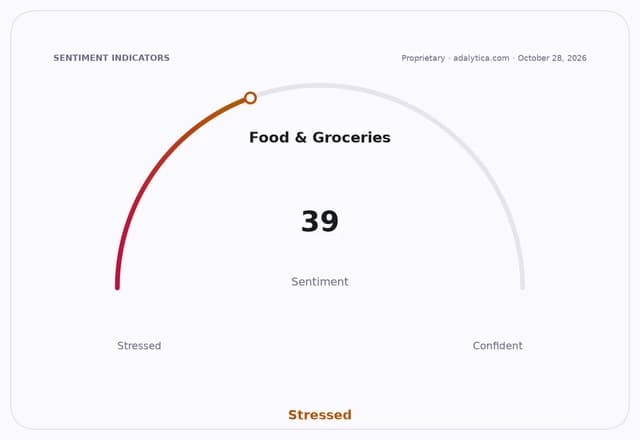
The broader crop backdrop helps explain why the market is so sensitive. U.S. oil and commodity price gauges are not the point here; what matters is that agricultural prices are being driven by supply realities rather than a single macro theme. At the same time, Adalytica’s food and grocery spending sentiment has cooled to 39, indicating consumers are less willing to chase higher prices, while its U.S. dollar trade signals show fear around the greenback. A softer dollar can help exporters over time, but in the near term harvest pressure and abundant supply are still dominating soybean pricing.
There is also a policy layer investors should not ignore. The news flow around grain import licensing, farmer protests and Black Sea trade restrictions underscores how government decisions can move agricultural markets as much as weather or acreage. Estonia’s move toward a ban on grain transit from Russia and Ukraine’s push to keep exports flowing are reminders that wheat is still a geopolitical asset, not just a commodity.
For long-term investors, the takeaway is that grain funds can be useful hedges, but they are not buy-and-forget assets. They can swing hard on harvest timing, export headlines and shipping risk. If you want exposure to agriculture, think in years, diversify widely and expect volatility. Right now, wheat looks supported by risk, while soybeans remain the crop most exposed to the seasonal weight of American supply. Worth watching, but patience matters.
| Entity | Gains | Losses |
|---|---|---|
| Wheat bulls | ▲Black Sea risk premium | ▼Falling prices from broader grain weakness |
| Soybean buyers | ▲Lower input costs | ▼Farmers and grain holders |
| U.S. harvest sellers | ▲Near-term cash sales | ▼Pricing power |
| Exporters outside Black Sea | ▲Potential market share | ▼Black Sea shippers and Ukraine/Russia-linked trade flows |