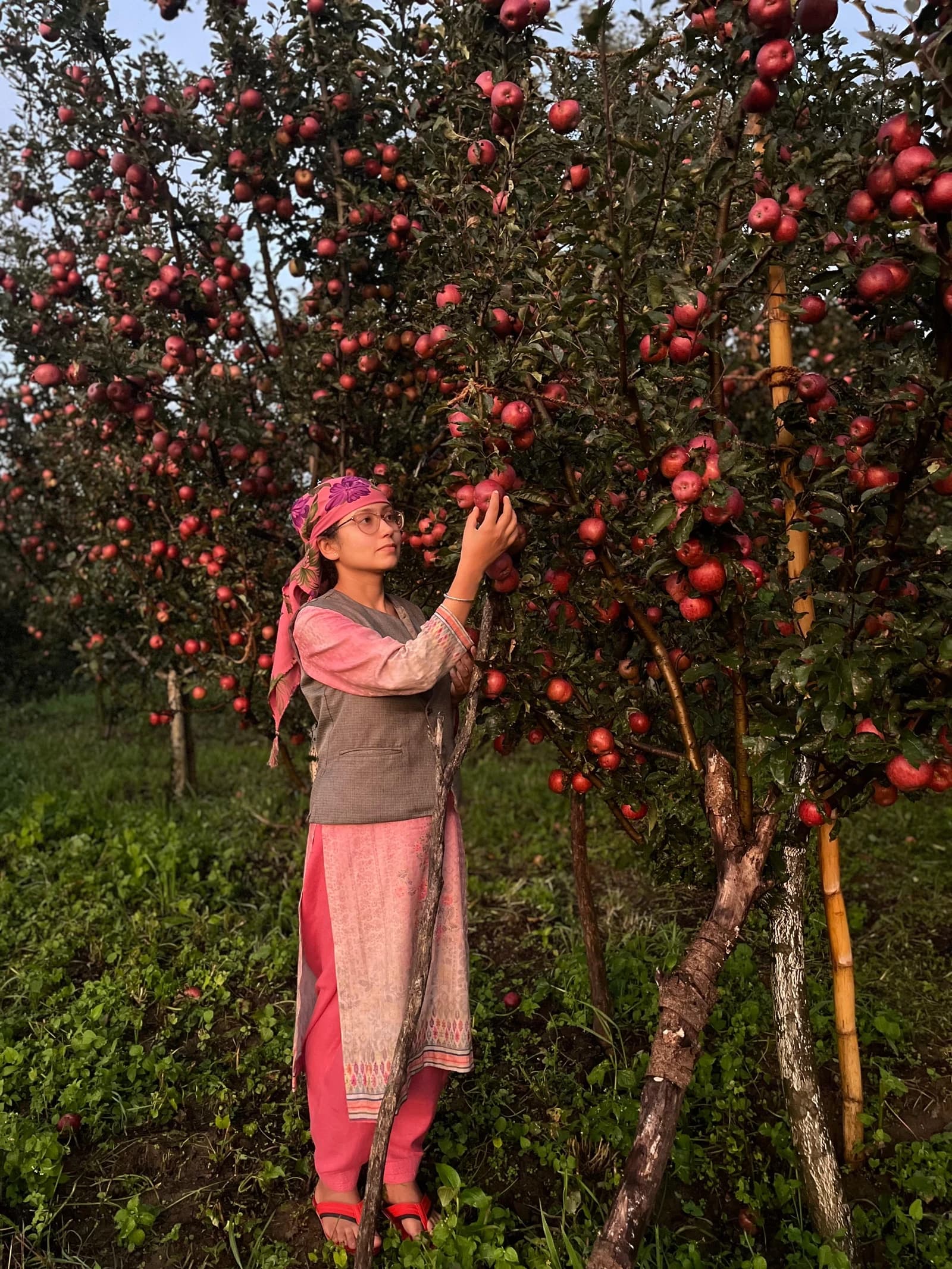
Joint Israeli-Palestinian researchers have developed a new wheat variety at a time when food inflation remains sticky, crop yields are under pressure and farmers face rising production risk across major growing regions.
Israeli-Palestinian researchers develop new wheat variety
The breakthrough matters economically because wheat is a global staple and any seed that improves resilience, yields or input efficiency can help ease supply constraints that feed directly into food prices. U.S. consumer prices are running well above pre-pandemic levels, with the CPI at 332.568 in June and forecast to rise to 335.512 in July, while producer prices are also elevated, underscoring how stubborn agricultural costs still are.
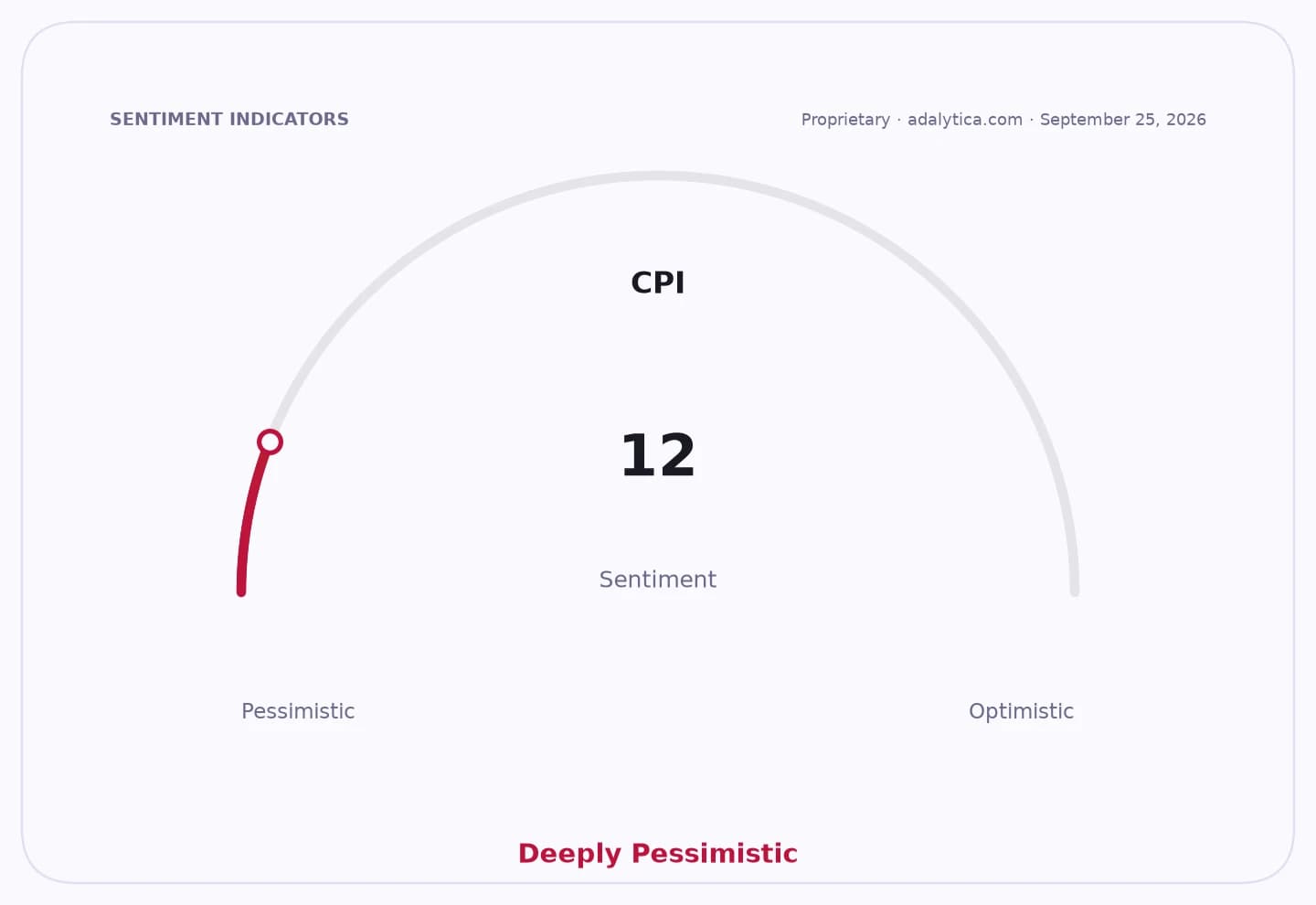
Sentiment IndicatorsⓘProprietary · adalytica.com · July 31, 2026
This is a snapshot — live sentiment, awareness and momentum for 130+ markets update continuously in the dashboard.Open AlphaPulse
That backdrop is important for investors because food inflation influences central bank policy, consumer spending and margins for packaged food makers, grocers and agribusiness companies. It also keeps attention on seed developers and crop-input firms that can monetize demand for hardier varieties as farmers look for ways to protect output against weather shocks, higher costs and geopolitical disruption.
The timing is notable as wheat prices have been volatile. The WEAT exchange-traded fund rose to 26.00 on July 22 before easing to 23.77 on July 31, while agriculture names including Archer-Daniels-Midland and Bunge have also swung sharply as traders weigh crop supply, export flows and margin pressure.
Broader food-cost sentiment remains mixed. Adalytica’s Food and Grocery Spending Sentiment gauge was neutral at 54, though awareness has climbed 45 points over 30 days, suggesting consumers are still focused on grocery prices even as near-term sentiment improves. Europe’s crop outlook has also weakened, adding to the case for better-adapted wheat genetics.
For investors, the key question is whether the new variety can move from research to commercial acreage fast enough to matter for yields and seed sales. The next catalysts are field trials, regulatory approval and adoption by growers looking for lower-risk planting options.
| Entity | Gains | Losses |
|---|---|---|
| Researchers | ▲Scientific credibility | ▼None directly |
| Farmers | ▲Hardier seed options | ▼Higher input risk eases slowly |
| Seed firms | ▲Commercialization potential | ▼Development and rollout costs |
| Wheat importers | ▲Potential supply relief | ▼Less pricing power if yields improve |