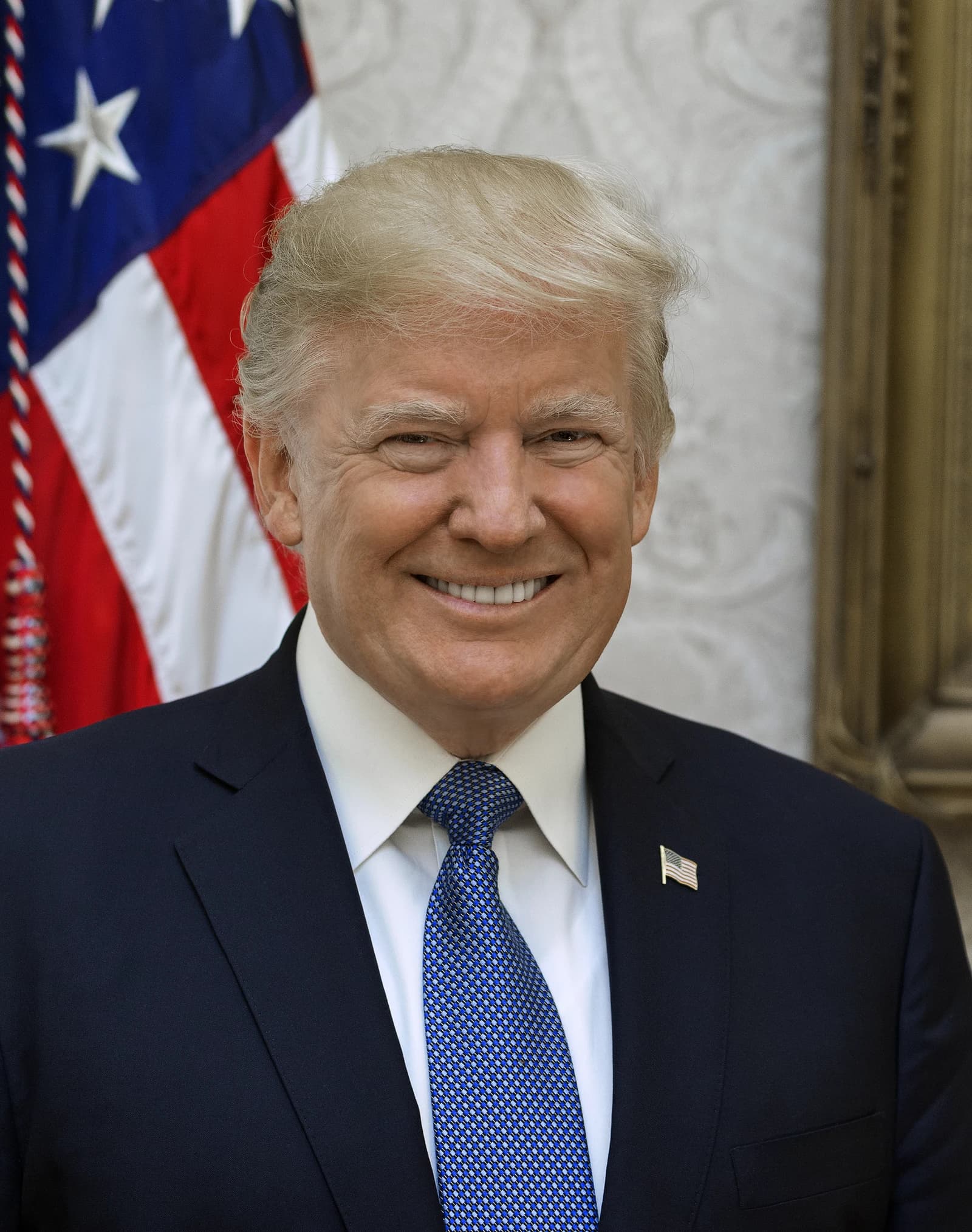
The White House’s use of more than $443,000 in taxpayer money on TV ads featuring President Donald Trump has ignited a fresh legal and political fight over where public information ends and campaign-style propaganda begins.
White House Ad Buy Draws Hatch Act Scrutiny
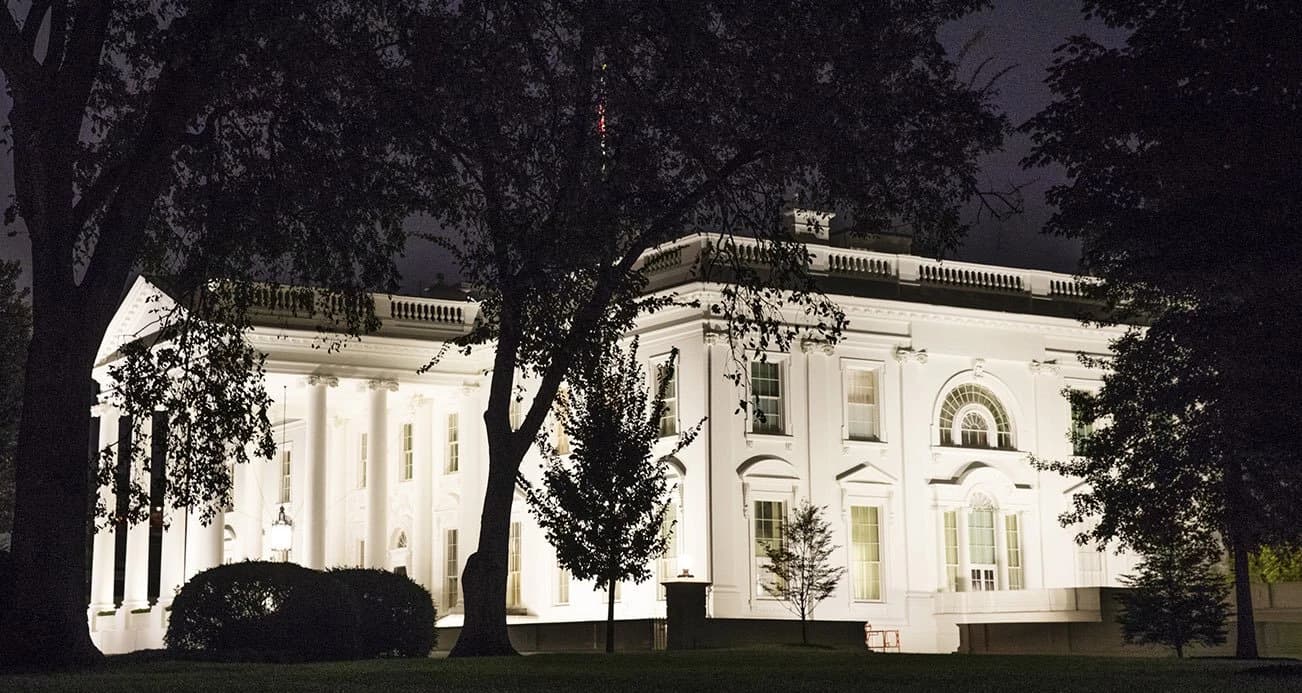
The immediate significance is less about the ad buy itself than the precedent it could set: a sitting administration using government-funded airtime to advance a political narrative just weeks before midterm elections. That raises potential Hatch Act issues, heightens partisan tension on Capitol Hill and creates reputational risk for the White House at a time when public trust in institutions is already fragile.
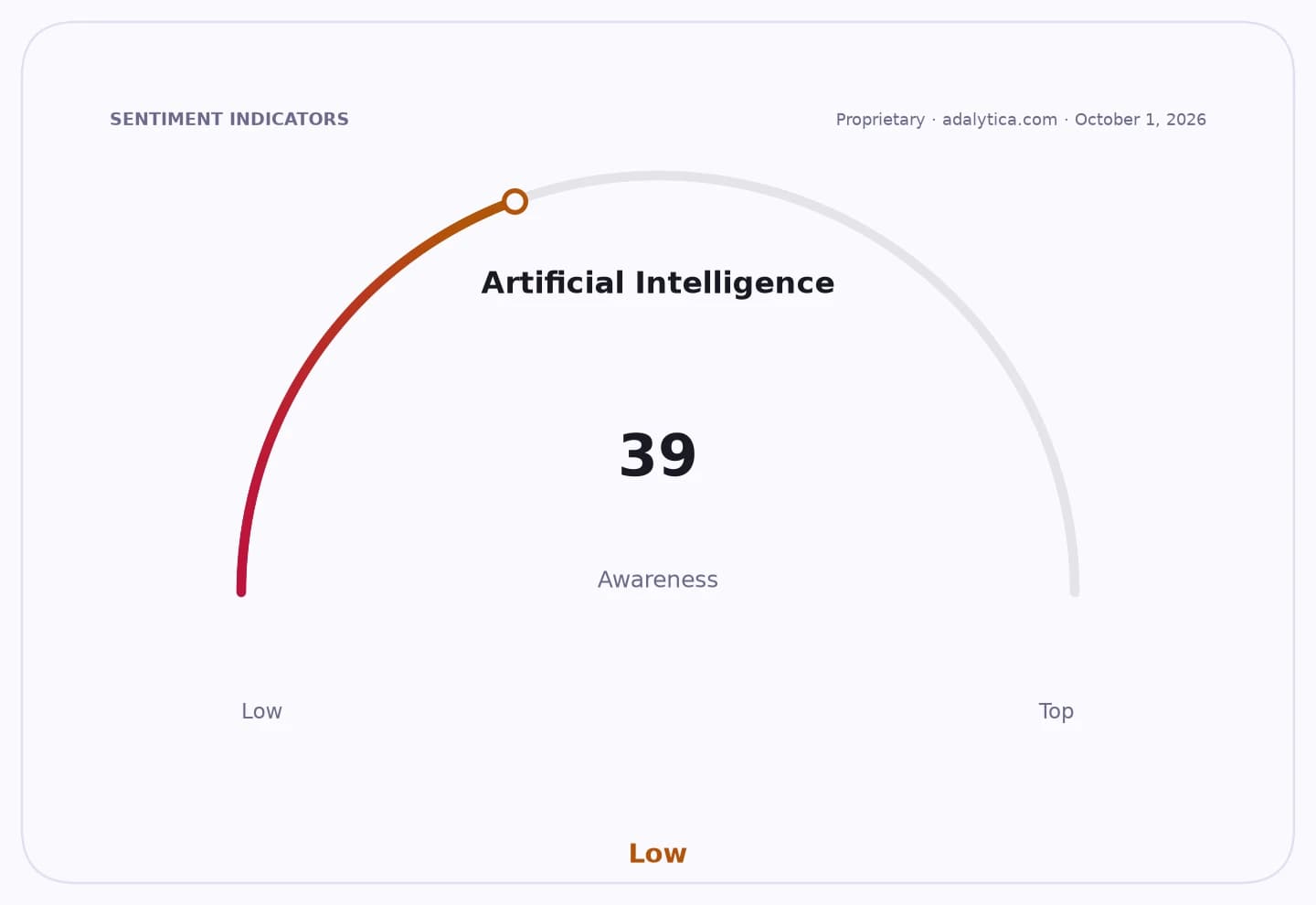
Sentiment IndicatorsⓘProprietary · adalytica.com · October 1, 2026
This is a snapshot — live sentiment, awareness and momentum for 130+ markets update continuously in the dashboard.Open AlphaPulse
The first spot, which began airing Wednesday on Fox News and Newsmax, features Trump declaring that “America will never be a communist country” and touting policy claims including “the largest tax cuts in history,” manufacturing support and a vow to “defend law and order and police.” A second 60-second ad released Friday leans on Mount Rushmore imagery and Trump’s language about a “Golden Age of America.” The administration says the spots are public service announcements, not campaign ads, because Trump is not on the ballot and there is no call to action.
That defense has not quieted critics from either party. Rep. Jamie Raskin said the ad could violate the Hatch Act, which limits political activity by federal employees and is meant to keep government programs nonpartisan. Sen. Thom Tillis called it “inappropriate,” likening it to tactics used by Viktor Orbán in Hungary. The bipartisan pushback matters because it suggests this is not a narrow messaging dispute but a broader test of how far a president can go in deploying taxpayer-funded communications to shape political sentiment.
For investors, the story is relevant beyond Washington theater. It reinforces the growing premium on regulatory and legal risk in politically charged media spending, especially for broadcasters and platforms that may be asked to carry controversial ads. It also feeds into a wider debate over government communications, election-season advertising and the line between civic messaging and partisan promotion — all of which can influence advertiser behavior, media scrutiny and compliance costs.
There is also a market angle tied to Trump Media & Technology Group, whose shares have been volatile and remain sensitive to any development that strengthens the former president’s visibility or legal exposure. The stock was trading at $8.57 on Oct. 1, near the lower end of its recent range and below both its 50-day and 200-day moving averages, with RSI readings indicating no obvious momentum recovery. That suggests investors remain skeptical that political theater alone can offset broader concerns around fundamentals, governance and news-flow risk.
The White House says the ads follow past administrations’ use of public service campaigns, citing the Biden administration’s “We Can Do This” public-health messaging and Obama-era Obamacare enrollment advertising. But the comparison is not exact: public-health and enrollment campaigns are easier to defend as informational, while pro-Trump messaging tied to ideology, nationalism and election-adjacent themes is more easily portrayed as partisan. That gap is where the legal and political risk lives.
The next question is whether watchdogs, congressional committees or ethics officials force a formal review. If they do, the episode could become another flashpoint over the use of state resources for political branding, with implications for how future administrations structure taxpayer-funded messaging. For now, the White House has made clear it intends to keep airing the spots, betting that “public education” will be accepted as a shield against claims of campaigning.
| Entity | Gains | Losses |
|---|---|---|
| White House | ▲Message control | ▼Ethics scrutiny |
| Donald Trump | ▲Visibility | ▼Hatch Act risk |
| Democrats and GOP critics | ▲Oversight leverage | ▼Institutional trust if ignored |
| Broadcasters/platforms | ▲Ad revenue | ▼Compliance and reputational risk |