Wickes is finding a rare sweet spot: shoppers are still spending on home projects, volumes are rising and mild price inflation is starting to filter through again, helping the UK home improvement chain lift sales faster than in the prior quarter.
Wickes sales rise 4.5% as price inflation returns
That matters because retail inflation, when it is modest and not demand-killing, can support revenue growth and protect margins at a time when consumers are still selective. For investors, it suggests Wickes is not just defending its business in a tough market — it is taking share, which is the kind of trend that can compound over years rather than quarters.
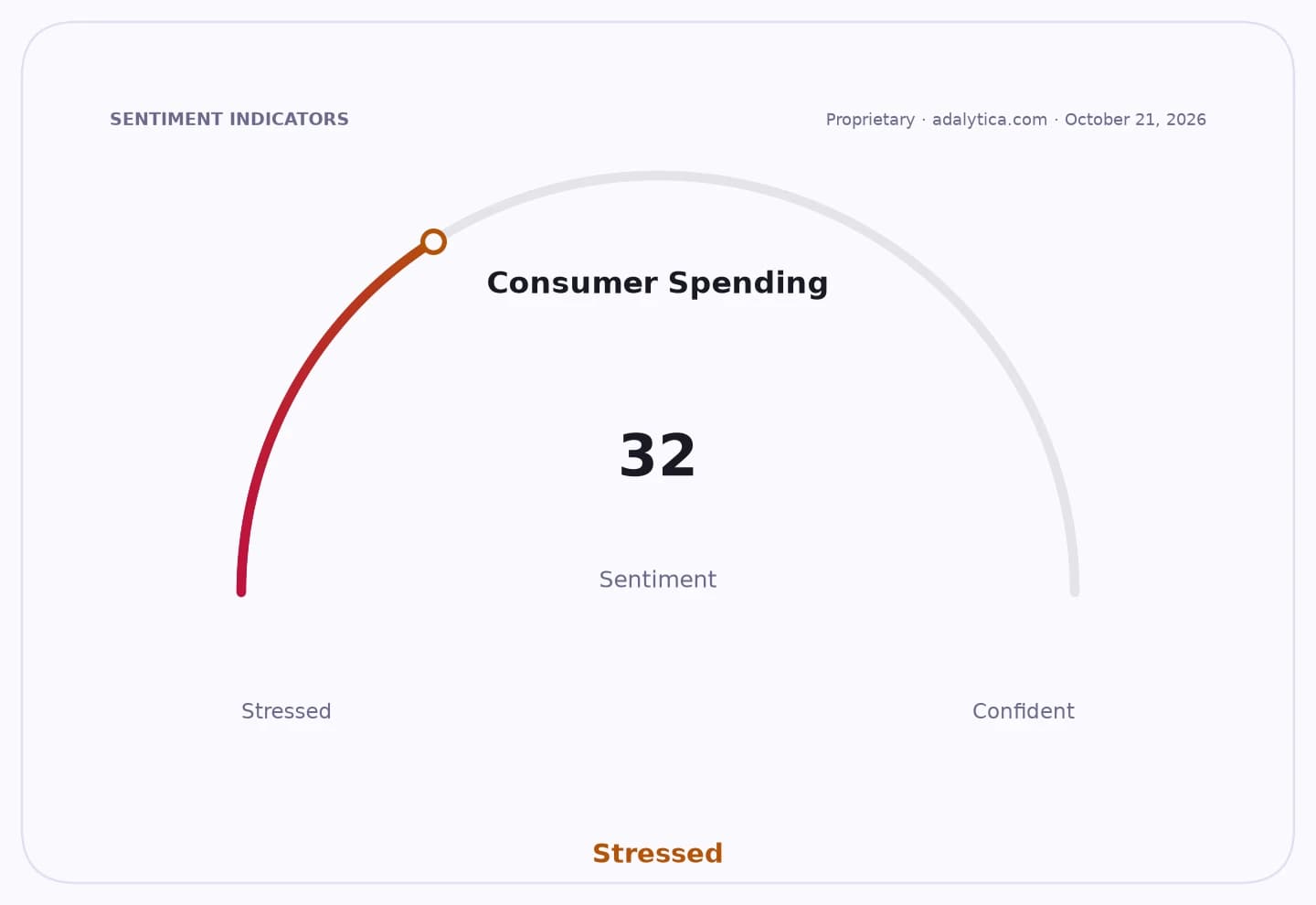
Sentiment IndicatorsⓘProprietary · adalytica.com · October 24, 2026
This is a snapshot — live sentiment, awareness and momentum for 130+ markets update continuously in the dashboard.Open AlphaPulse
The London-listed retailer said Tuesday that group sales rose 4.5% to £439 million in the three months to Sept. 26, up from 2.3% growth in the previous quarter. Retail sales climbed 6% to £331 million, more than offsetting slower growth in its design and installation arm. Chief executive David Wood said the company is on track to meet full-year profit guidance, citing “good momentum” and continued market share gains.
What stands out is the quality of that growth. Wickes said customer numbers improved on stronger volumes, while “mild” price inflation is beginning to return after a period of easing prices. That is an encouraging sign for a business tied closely to housing activity, DIY spending and trade demand. In other words, the company is seeing both better demand and a little pricing power — a combination investors usually prefer to a pure volume-led recovery.
The company also said it is outperforming the wider market in timber, flooring, roofing and garden products, which points to a resilient mix of maintenance and improvement spending. TradePro, its business connecting customers with tradespeople, lifted sales by 8%, reinforcing the idea that Wickes is benefiting from both the do-it-yourself customer and the professional trades channel.
The expansion story remains disciplined rather than flashy. Wickes opened two new stores and completed three refits during the quarter, suggesting management is still investing for the long term without straining the balance sheet. That is the sort of steady execution that tends to matter most in retail: not explosive growth, but consistent gains in revenue, market share and operating leverage.
For long-term investors, the key question is whether Wickes can keep converting these gains into durable profit growth. Mild inflation can help, but it can also fade quickly if consumer demand softens. Housing and renovation markets remain sensitive to rates, confidence and affordability, and that makes the next few quarters important. Still, with sales accelerating and guidance intact, Wickes looks like a retailer that is doing the hard part well: winning customers in a competitive market. Worth watching.
| Entity | Gains | Losses |
|---|---|---|
| Wickes | ▲Faster sales growth | ▼None immediately obvious |
| Wickes shareholders | ▲Profit guidance intact | ▼Limited upside if inflation fades |
| Competitors | ▲None | ▼Share loss to Wickes |
| Consumers | ▲Better product availability | ▼Slightly higher prices |