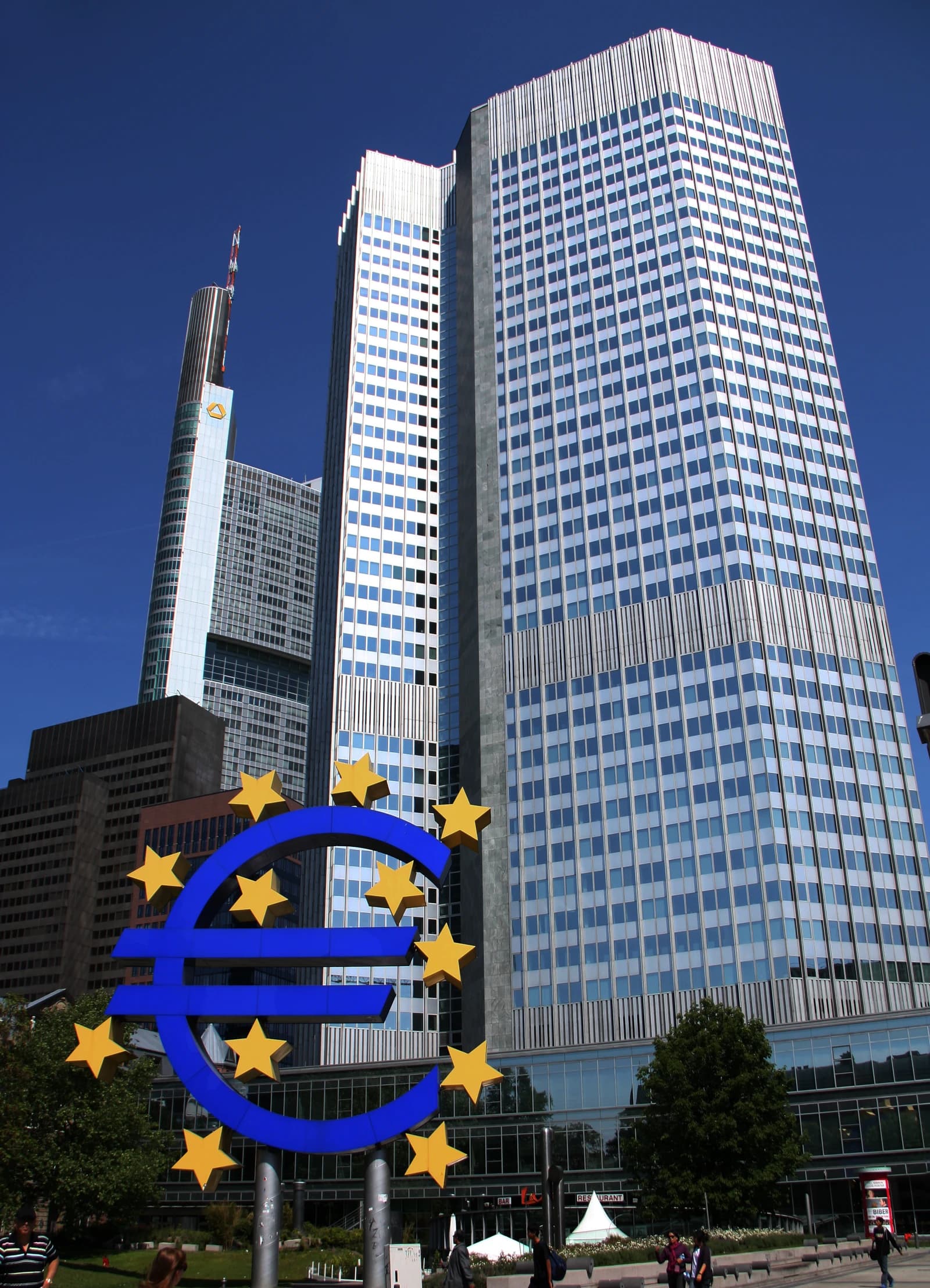
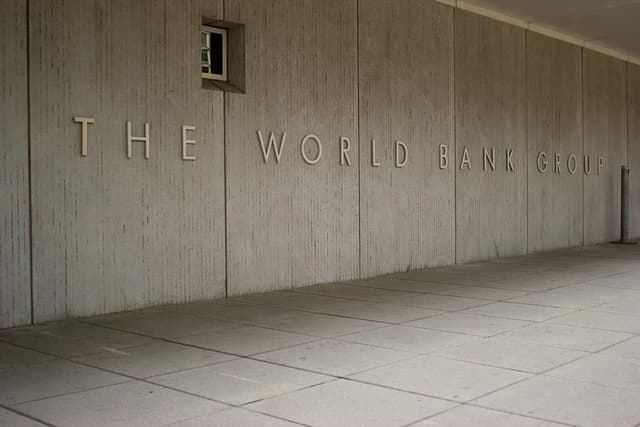
Growth across Europe and Central Asia is set to slow next year as higher energy costs, trade uncertainty and weaker demand from key partners squeeze an already fragile regional recovery, according to the World Bank.
World Bank cuts Europe and Central Asia growth outlook

The lender said economic expansion in the region will ease to 2.2% in 2026 from 2.6% in 2025, underscoring how vulnerable the area remains to external shocks just as global trade momentum softens and financing conditions stay restrictive. For policymakers, the forecast is a warning that domestic demand alone may not be enough to offset the drag from slower exports, elevated input costs and subdued investment.
Sentiment IndicatorsⓘProprietary · adalytica.com · October 7, 2026
This is a snapshot — live sentiment, awareness and momentum for 130+ markets update continuously in the dashboard.Open AlphaPulse
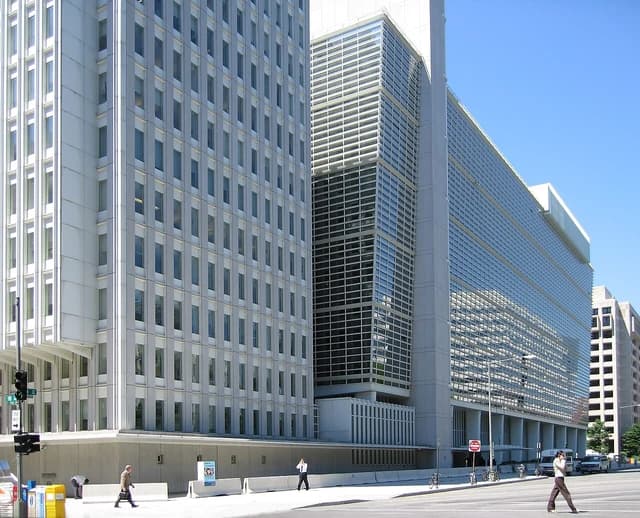
The World Bank’s latest regional outlook frames the slowdown as part of a broader global deceleration rather than an isolated regional problem. Europe and Central Asia sit directly in the path of weaker euro area activity, volatile energy markets and cautious corporate spending, all of which tend to filter quickly into industrial output, labor markets and fiscal balances. Countries that rely heavily on manufactured exports, remittances or commodity-linked revenues are likely to feel the pressure first.
For investors, the message is that earnings and sovereign credit conditions across the region may face more pressure in 2026 than current consensus implies. Slower growth typically means softer revenue gains for consumer, industrial and bank lenders, while governments may have less room to support activity without widening deficits. If energy prices stay elevated, inflation could remain sticky even as growth cools, leaving central banks in an uncomfortable position.
The report also lands against a mixed market backdrop. The euro has held near levels that suggest neither panic nor conviction, while the dollar remains firm enough to keep external financing conditions tight. That combination tends to penalize frontier and emerging European borrowers, especially those with large foreign-currency funding needs or current-account vulnerabilities.
The bull case is that the region has proved more resilient than expected in recent years, helped by labor markets that have held up better than feared and by policy support in some economies. The bear case is that 2026 could expose how dependent many countries still are on external demand and stable commodity prices. If global growth slows further, the World Bank’s 2.2% forecast may prove optimistic rather than cautious.
For markets, the report reinforces a simple conclusion: Europe and Central Asia are entering 2026 with less buffer than they need, and the next phase of the cycle will be defined less by domestic momentum than by whether the global backdrop turns less hostile.
| Entity | Gains | Losses |
|---|---|---|
| Export-oriented firms | ▲Stable demand holds up earnings | ▼Slower external trade |
| Commodity importers | ▲Softer demand may ease inflation | ▼Higher energy costs |
| Regional governments | ▲Lower import bills if prices ease | ▼Fiscal strain from weak growth |
| Bondholders | ▲Policy support may persist | ▼Credit risk from slower expansion |