Selling a house in a semi-central area remains a viable pricing play even as U.S. housing demand cools, with homebuilder sentiment weak and financing conditions still tight. The combination of a 10-year Treasury yield near 5% and a sharp drop in the housing sector ETF XHB is keeping affordability stretched and buyers selective, which makes well-located resale homes more attractive than new construction in many markets.
XHB falls as housing affordability stays tight
The benchmark 10-year Treasury yield was around 4.98% in the latest reading, a level that continues to feed mortgage rates and restrain transaction volumes. At the same time, the SPDR S&P Homebuilders ETF has fallen to 96.39 from above 108 in August, while its relative strength index sits at 26.2, a reading that points to oversold conditions but also underscores persistent downside pressure in the sector.
Housing data show a market that is stabilizing only unevenly. The Case-Shiller national home price index rose to 336.663 in June from 335.43 in May, suggesting prices are still inching higher at the national level, but U.S. housing starts slipped to an annualized 1.275 million in August and are forecast to edge up only marginally to 1.2785 million in September. That mix favors existing homes in established neighborhoods, especially semi-central locations that can still command a premium over farther-out suburbs.
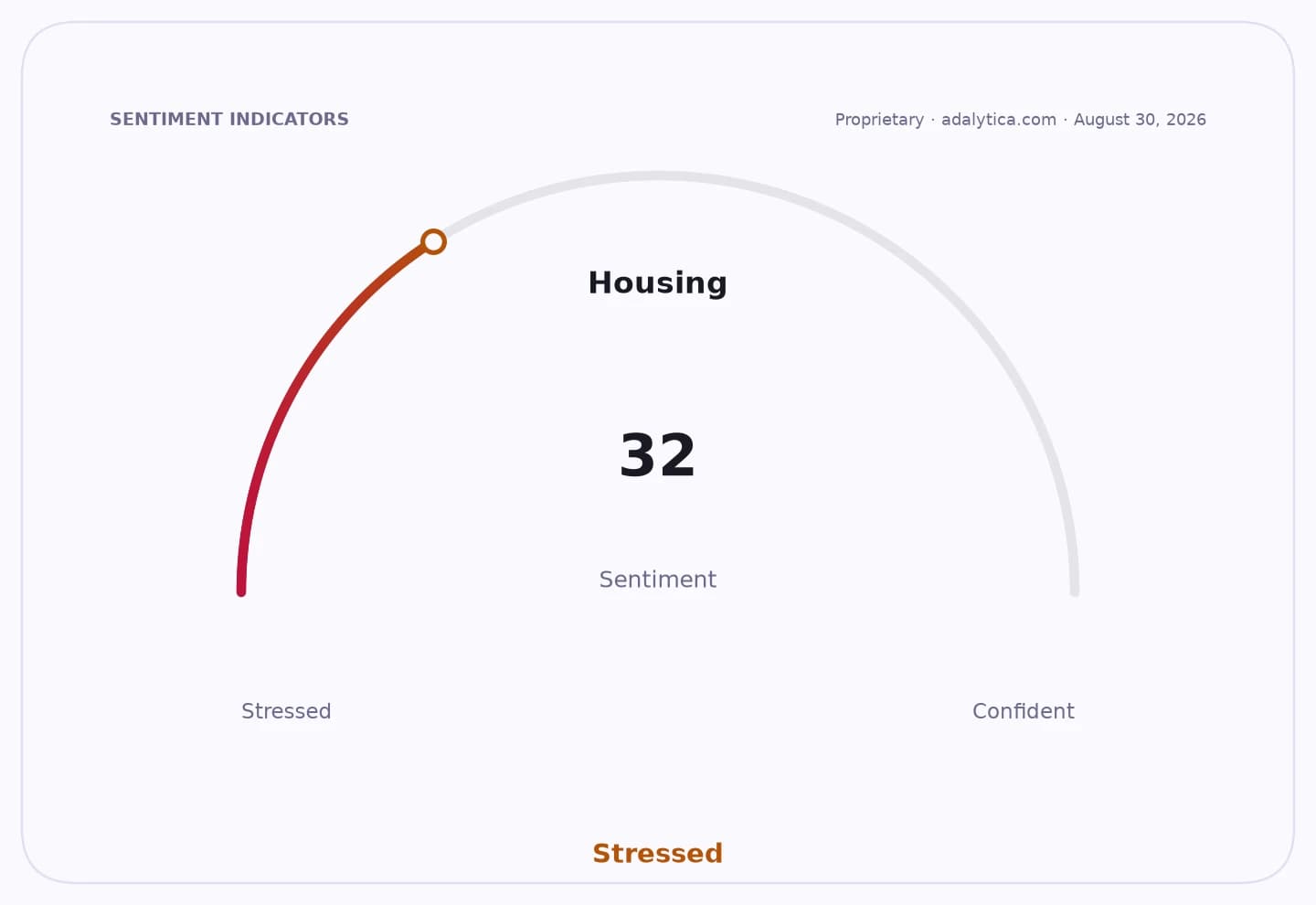
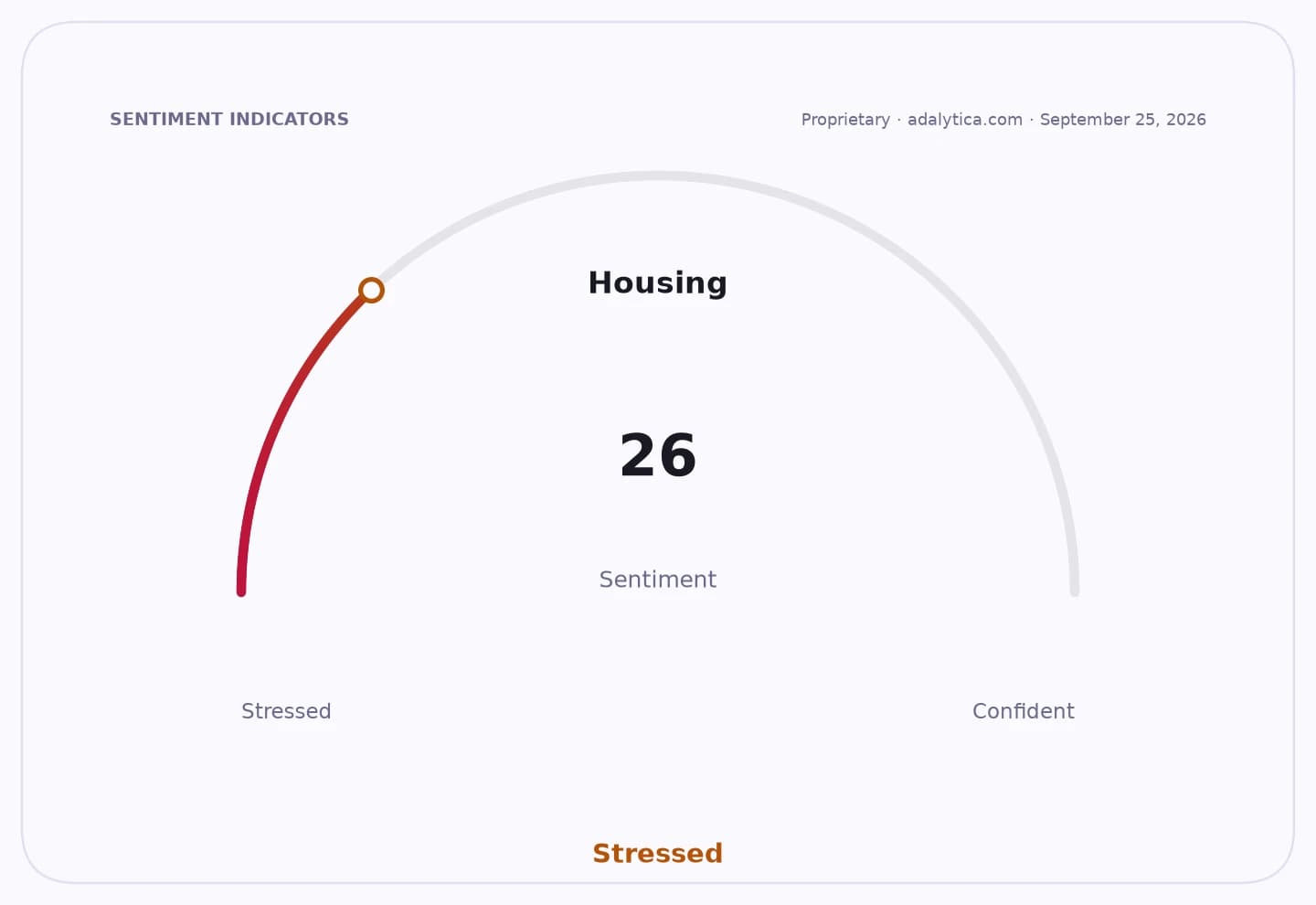
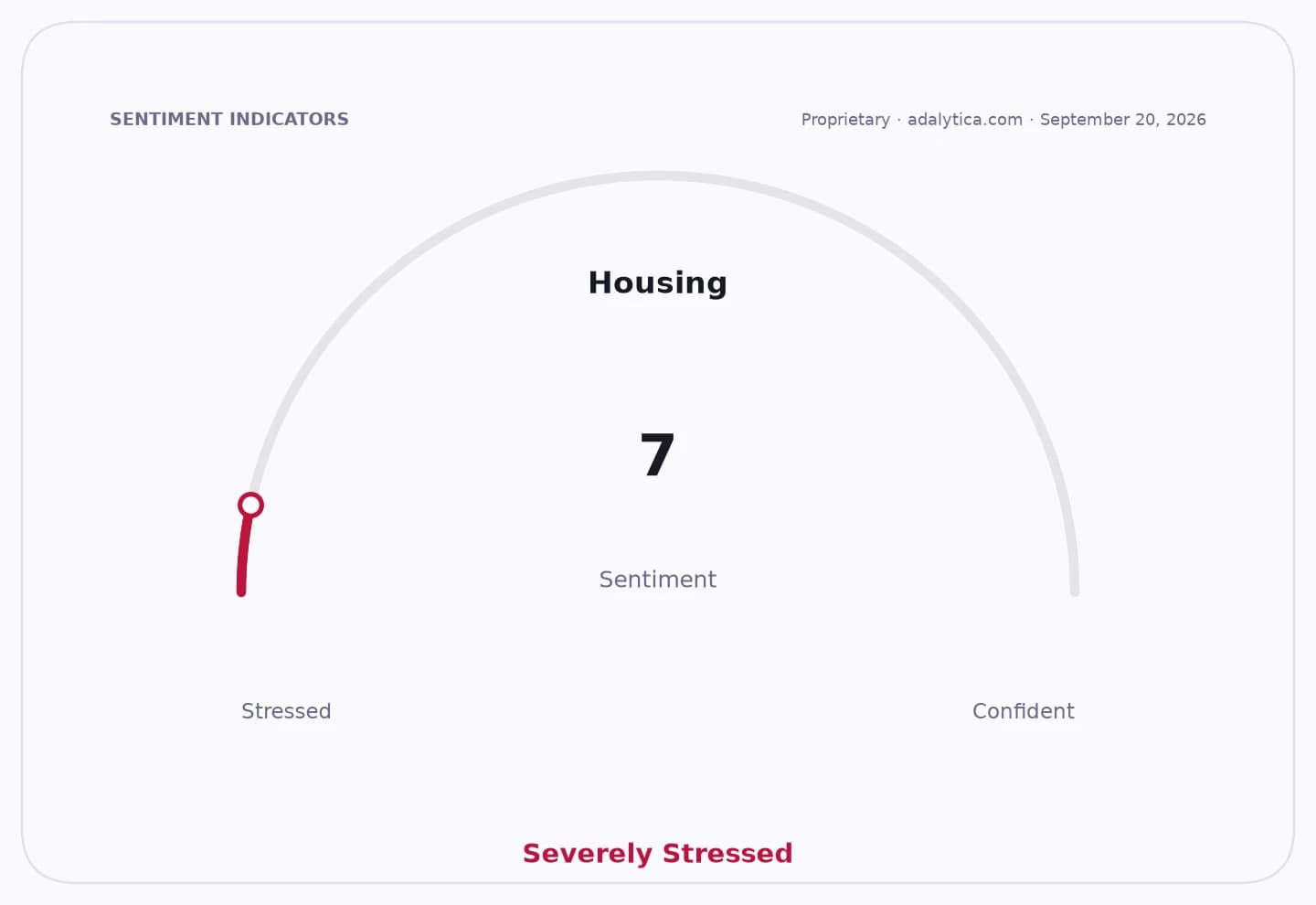
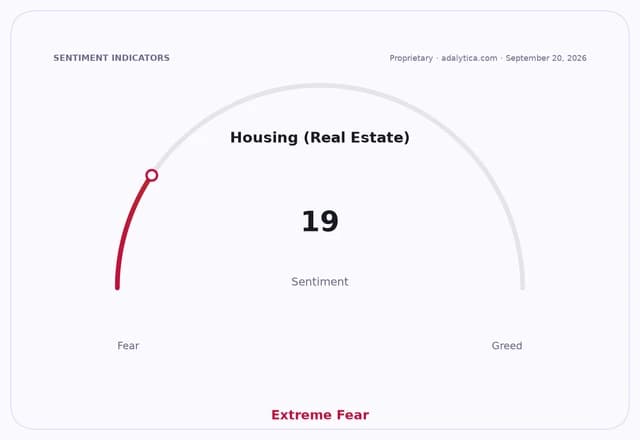
For investors, the setup matters because semi-central residential property tends to be less rate-sensitive than new-build inventory and more tied to scarcity, commute convenience and resale liquidity. Adalytica’s Housing Fear & Greed Index sits at 19, firmly in fear territory, while its Housing and Rent Inflation gauge is at 7, or extreme fear, suggesting sentiment has deteriorated even as prices have not collapsed.
HOUST vs CSUSHPINSA — macro contextadalytica.com
Explore this data interactively — full history, time series and cross-market comparisons.Open AlphaPulse
That disconnect helps explain why sellers with homes in better-connected urban-fringe areas may still find buyers, but only if pricing is realistic and the property is positioned as a rare location advantage. If Treasury yields stay elevated, housing stocks and builders remain vulnerable, while owners of well-located existing homes could keep some pricing power heading into the next data and rate cycle.
| Entity | Gains | Losses |
|---|---|---|
| Semi-central home sellers | ▲Better location premium | ▼Slower buyer pool |
| Buyers | ▲More inventory choice | ▼Higher borrowing costs |
| Homebuilders | ▲- | ▼Rate pressure on demand |
| XHB and housing stocks | ▲Oversold bounce potential | ▼Weak sentiment and volume |