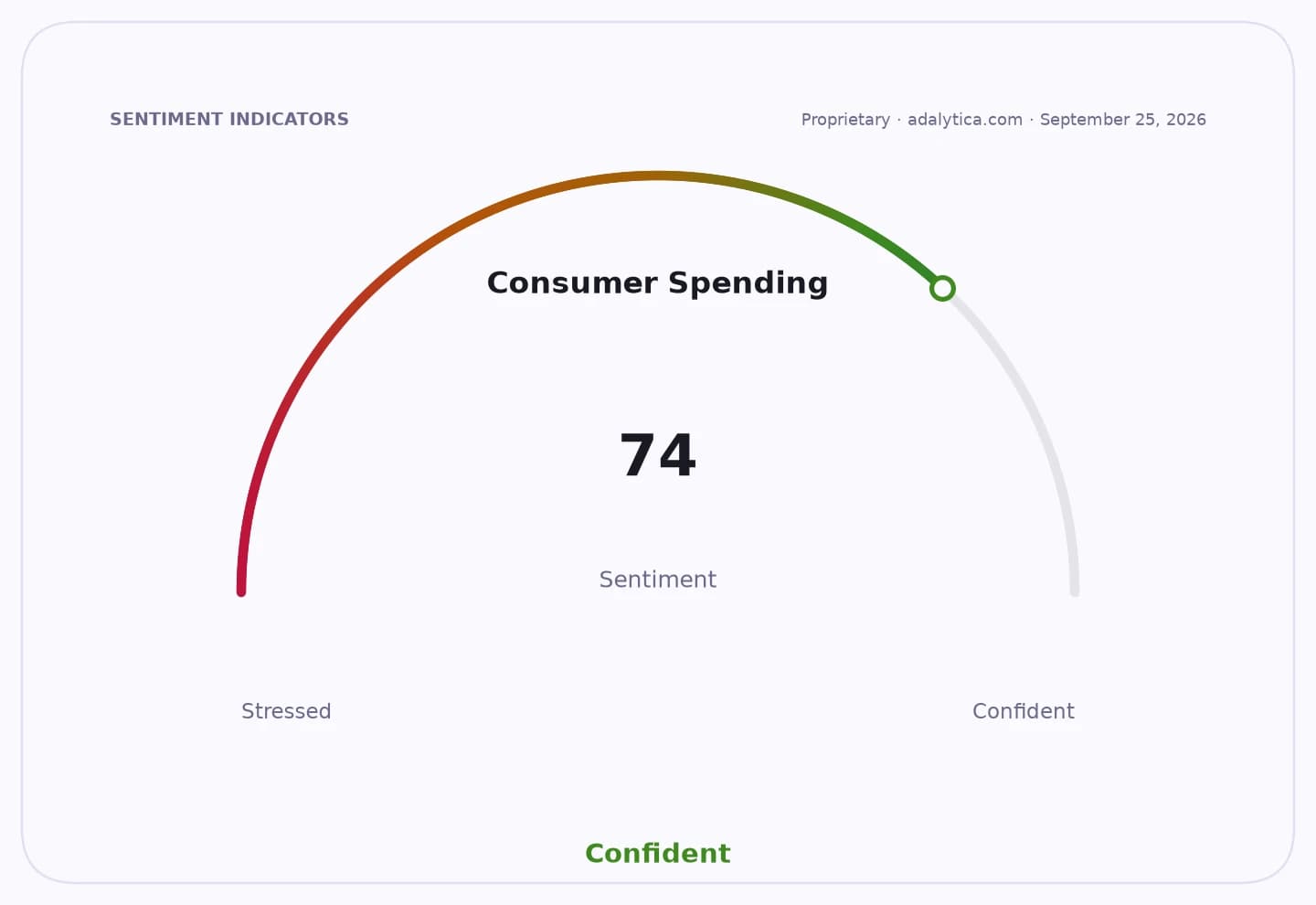
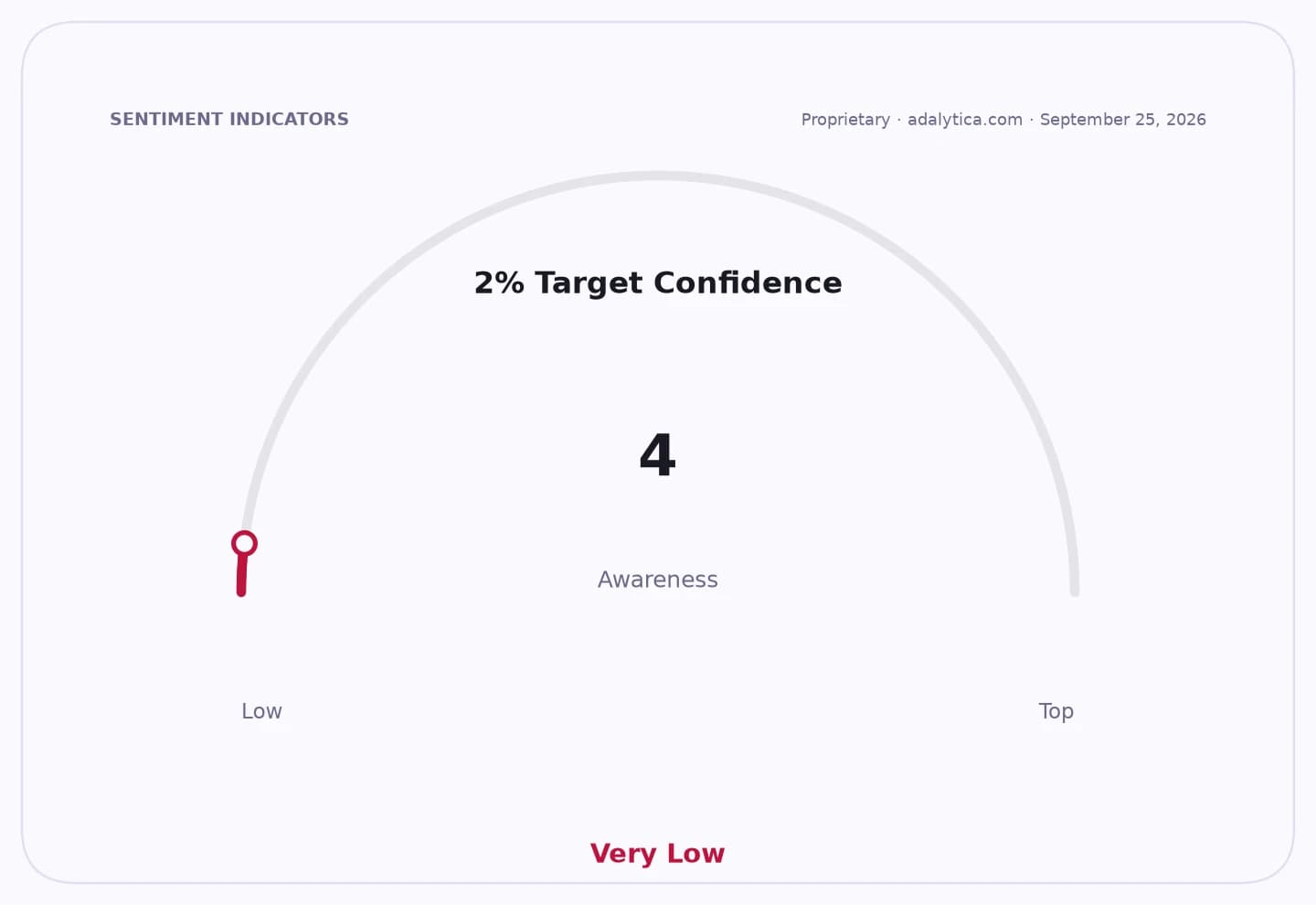
Fed Bank of Kansas City President Jeff Schmid? Paulson’s hawkish message is the one that matters for investors: underlying inflation is still too high, so the Federal Reserve has little reason to rush into rate cuts.
XLF at $57.38 as inflation keeps Fed cautious

That matters because the Fed’s credibility rests on getting core inflation back to 2%, and the latest price data show that battle is not yet won. Headline CPI has risen from 332.568 in June to a forecast 335.512 in July, while core CPI is projected to edge up to 337.1758. Even if monthly moves are modest, they still point to sticky underlying pressures that keep policy makers cautious.
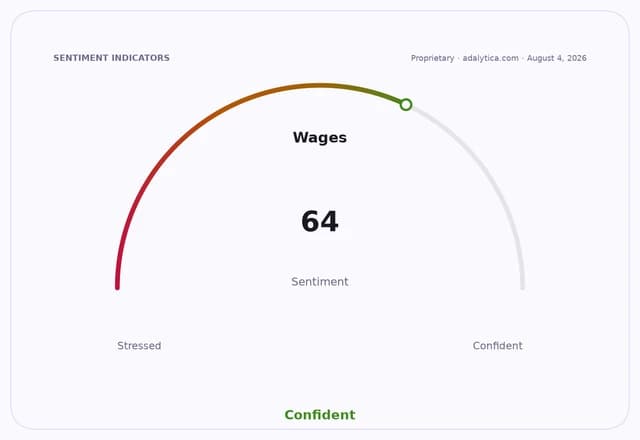
For bond investors, that caution is already visible in yields. The 10-year Treasury was trading around 4.75% in late July and remains near that level, a sign the market is not pricing an easy path to looser policy. Long-duration assets have felt the strain, with the iShares 20+ Year Treasury Bond ETF, TLT, slipping to about $82.19, below both its 50-day and 200-day moving averages. Its RSI near 35 suggests the ETF is oversold, but oversold does not mean the inflation problem has gone away.
For stocks, the message is mixed. Financials have held up better than bonds, with the Financial Select Sector SPDR ETF, XLF, climbing to about $57.38 and sitting well above its 50-day and 200-day moving averages. Higher-for-longer rates can support bank lending income, but they also keep pressure on credit demand and deposit costs. That is why the sector still needs a calm inflation backdrop before it can really breathe easy.
CPIAUCSL vs CPILFESL — macro contextadalytica.com
Explore this data interactively — full history, time series and cross-market comparisons.Open AlphaPulse
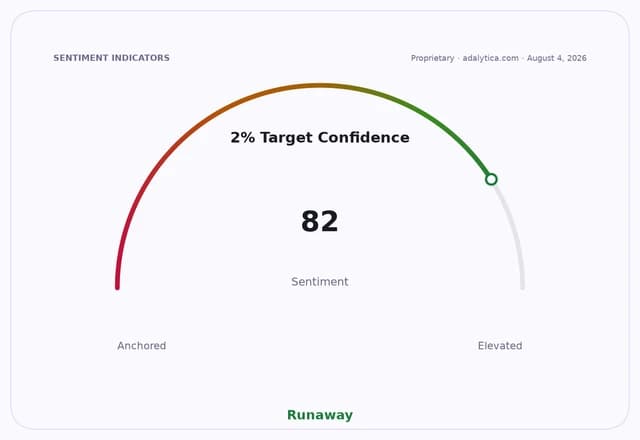
Adalytica’s inflation gauges back up the market’s split personality. Confidence in the Fed’s 2% target has improved sharply, but long-term inflation expectations remain only neutral, not firmly anchored. In plain English, investors are willing to believe inflation will cool — but they do not fully trust that it will stay cool without the Fed keeping policy restrictive.
The bigger narrative is straightforward: inflation is easing, but not enough to force the Fed’s hand. That should keep short-term rate expectations choppy, keep Treasury volatility elevated, and preserve a relatively attractive backdrop for cash and short-duration assets. For long-term investors, the key is not to predict the next meeting, but to understand which businesses can compound even when rates stay high. Companies with pricing power, strong free cash flow and durable moats deserve the premium, while rate-sensitive assets may need more patience.
If Paulson’s hawkish line proves representative of the Fed’s thinking, investors should expect fewer hopes for quick cuts and more emphasis on evidence. That is not a reason to panic — it is a reason to stay diversified, stay selective and keep watching inflation data closely.
| Entity | Gains | Losses |
|---|---|---|
| Banks / XLF | ▲Wider net interest income | ▼Slower credit growth |
| Treasury bulls / TLT holders | ▲Potential oversold rebound | ▼Higher-for-longer yields |
| Fed inflation hawks | ▲Policy credibility | ▼Pressure to delay cuts |
| Consumers / borrowers | ▲Slower disinflation if prices cool | ▼Higher borrowing costs |