More Americans are using credit to keep food on the table, a sign that household budgets are getting stretched even as the labor market remains relatively steady.
XLY at 113.00 as consumers use credit for groceries
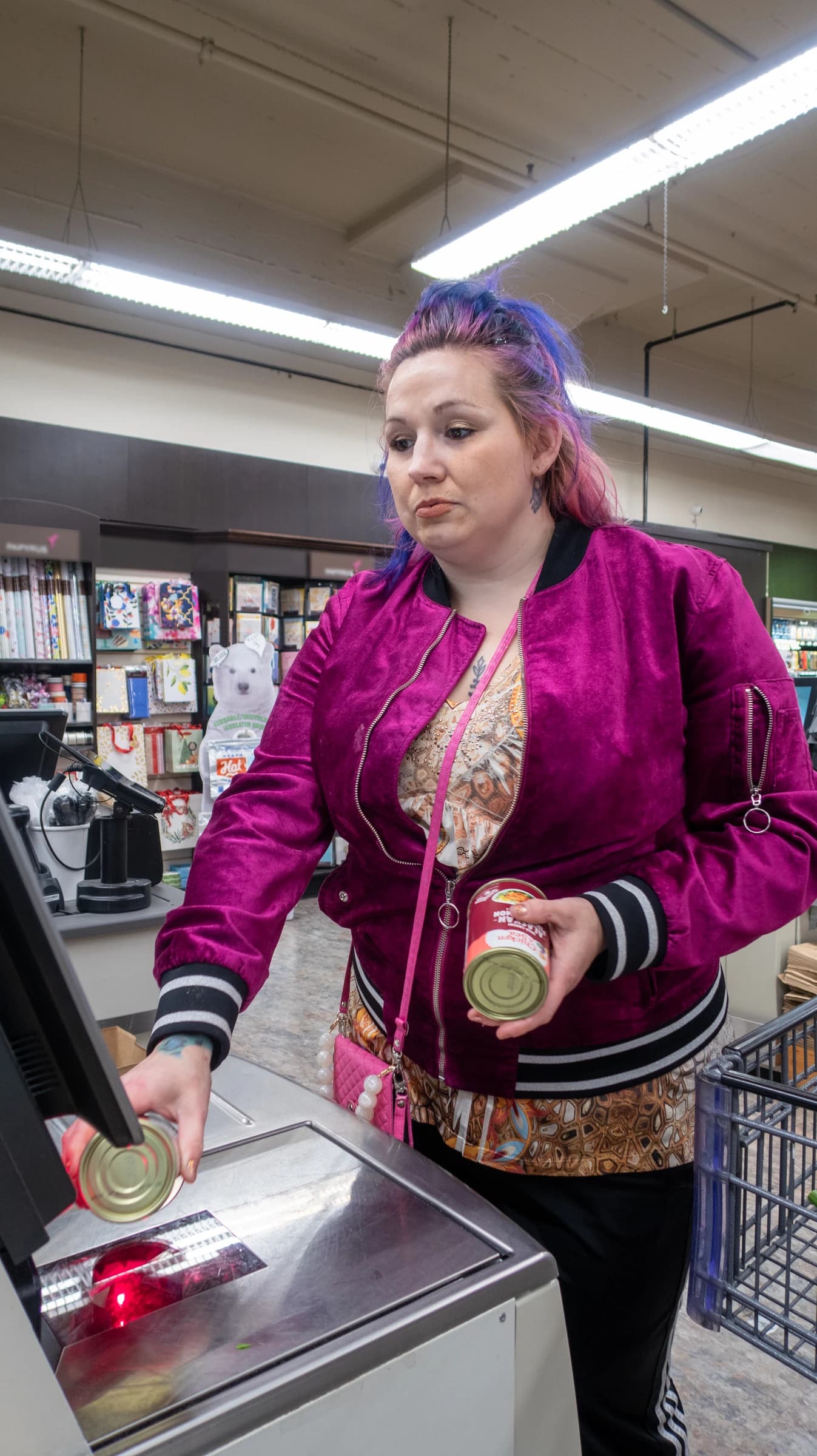
That matters because groceries are not a discretionary purchase. When consumers start leaning on cards to pay for staples, it usually means wages are no longer keeping up with the cost of living, savings buffers are thinner, and families are having to borrow to cover essentials. For investors, that is a classic late-cycle signal: it can support sales at grocery chains in the short run, but it also raises the risk of higher delinquencies, weaker spending elsewhere and more pressure on lenders.
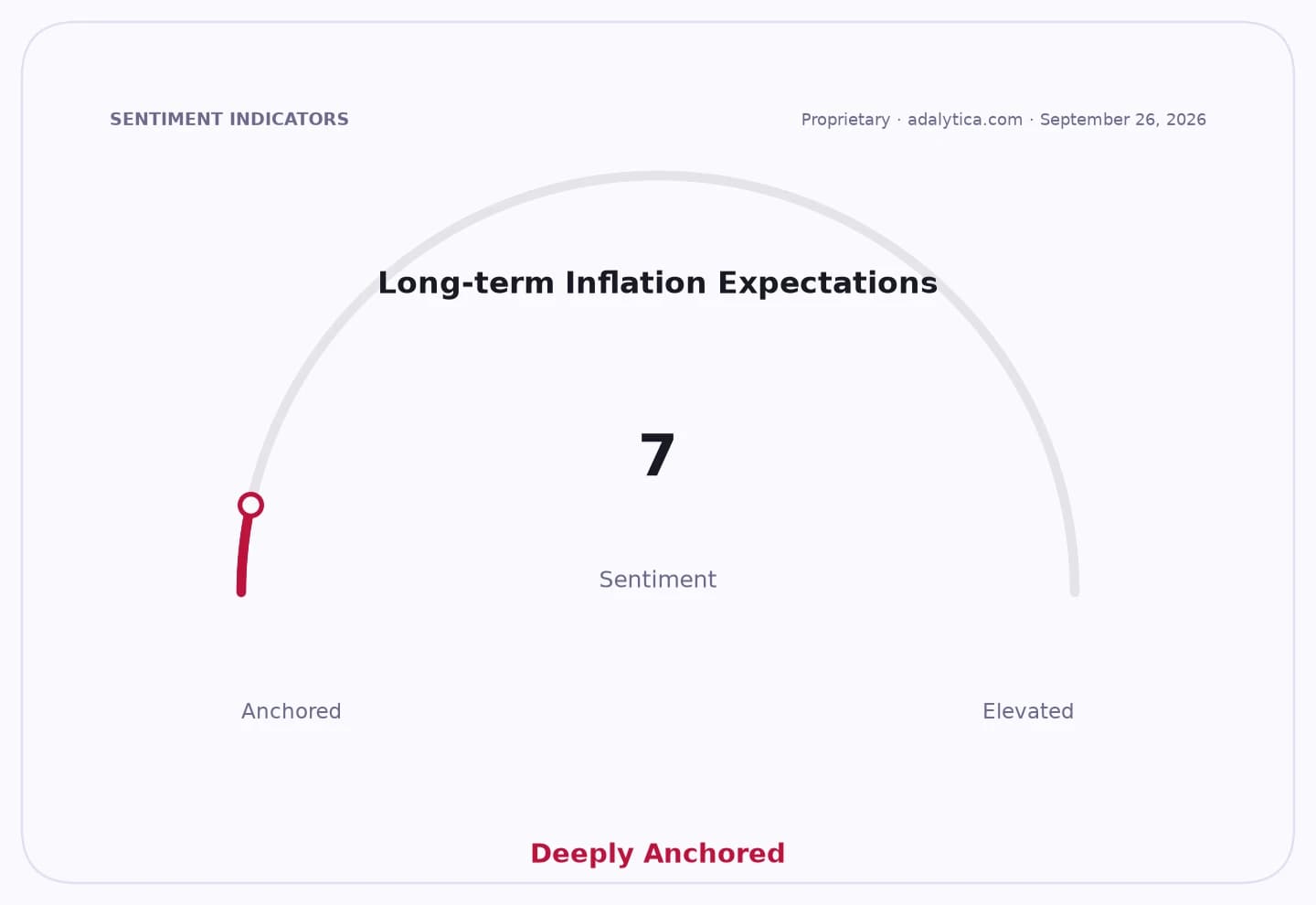
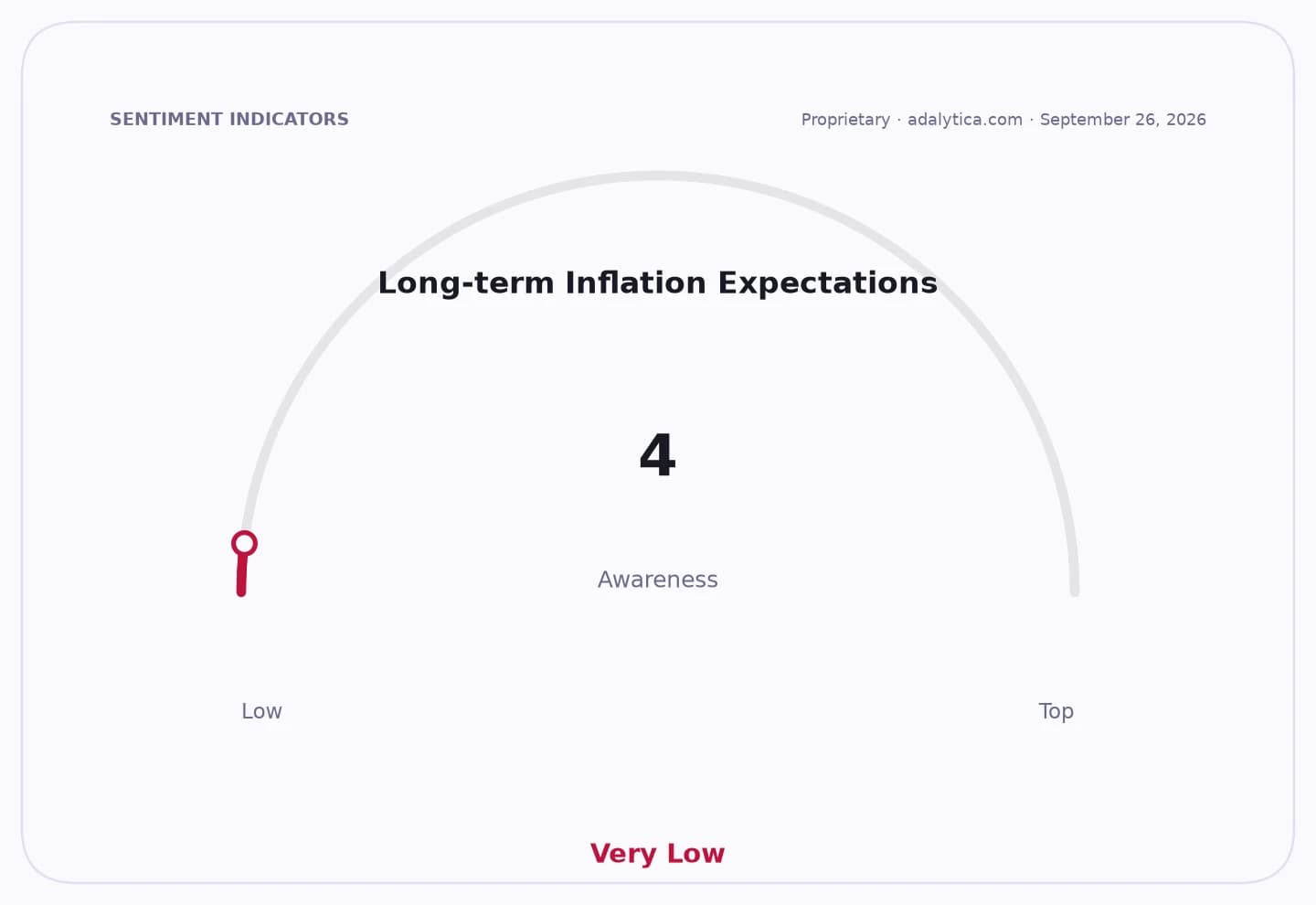
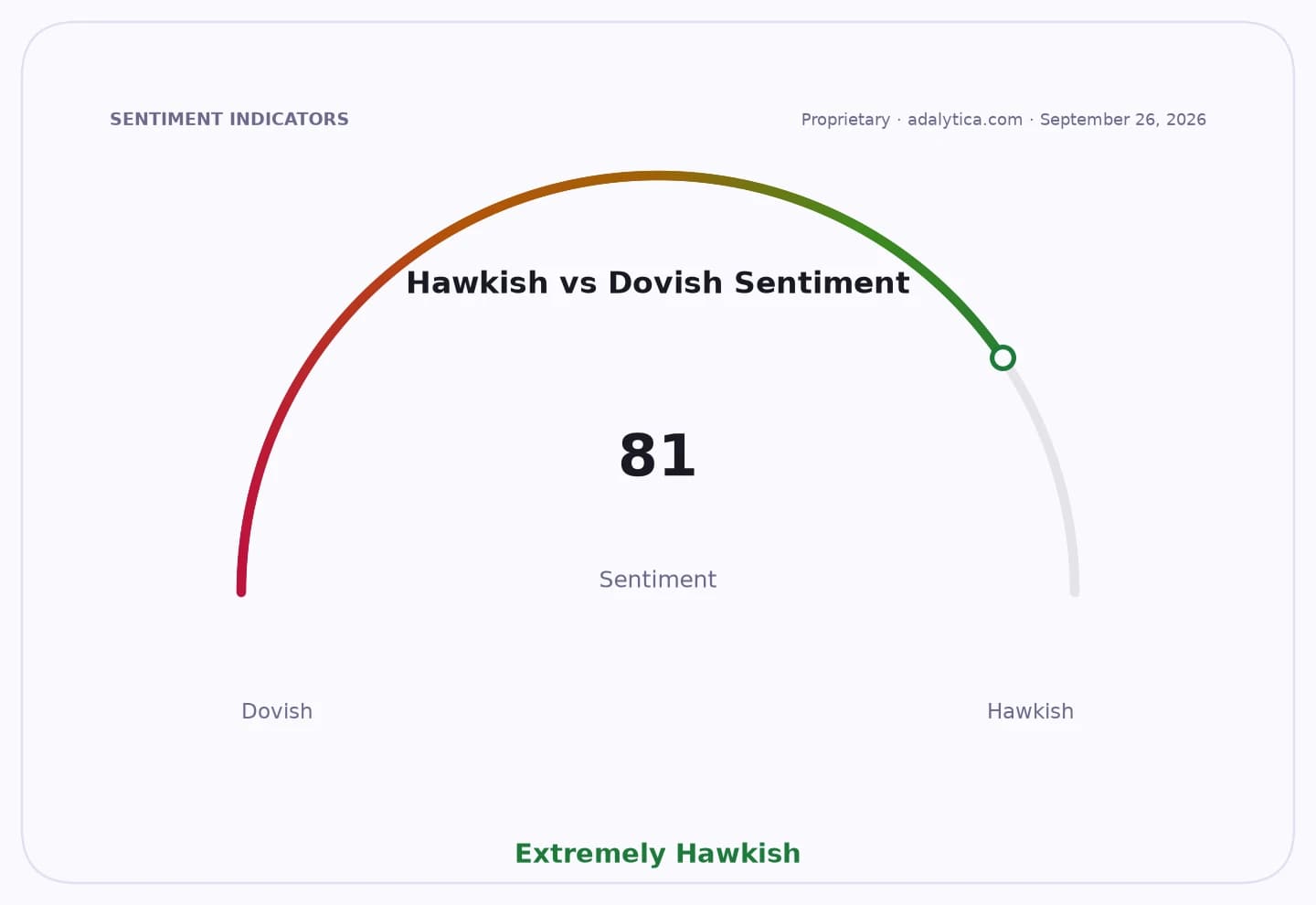
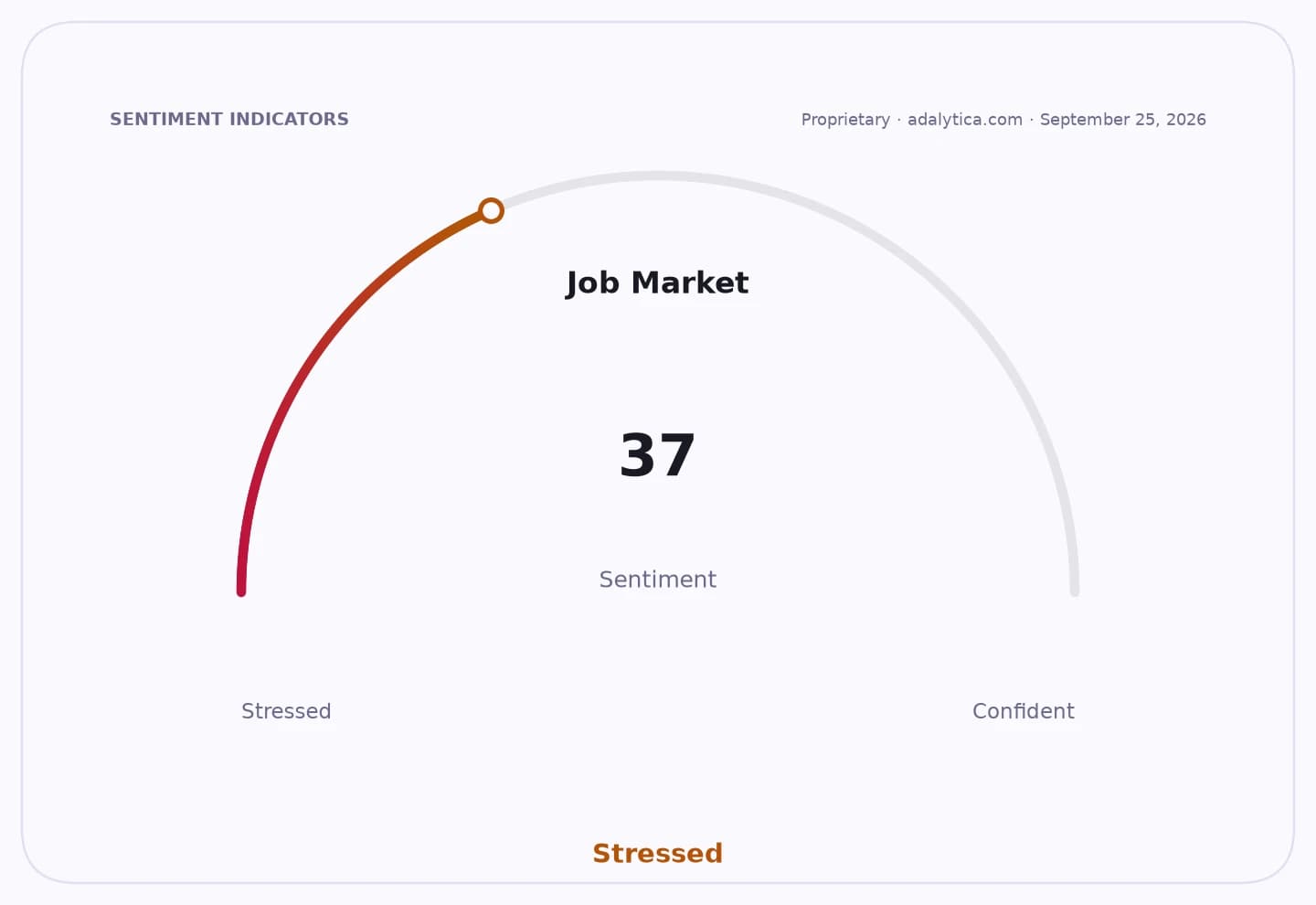
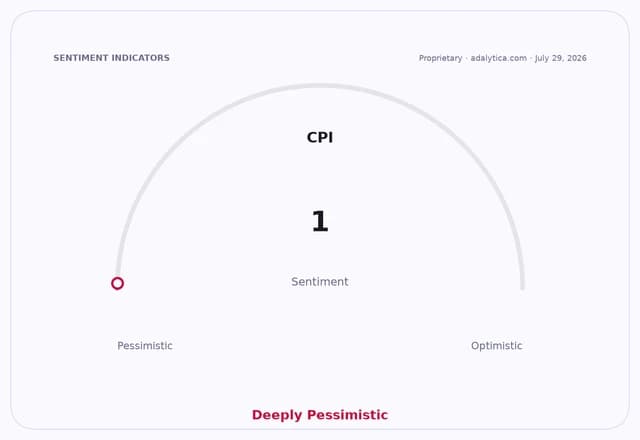
Sentiment IndicatorsⓘProprietary · adalytica.com · July 29, 2026
This is a snapshot — live sentiment, awareness and momentum for 130+ markets update continuously in the dashboard.Open AlphaPulse
The latest data underscore the trend. A measure of retail spending tied to food and grocery purchases rose to 666,056 in June from 621,713 in December, and the forecast for July is 674,837.9. That is not a one-off wobble. It fits a broader picture in which consumers are still spending, but increasingly by stretching balance sheets rather than from rising real income.
The macro backdrop helps explain why this matters. Unemployment is still low at 4.2%, and was forecast to edge down to 4.18% in July, so this is not a recession story yet. Instead, it looks like a strain story: prices have left shoppers dependent on credit even with jobs in place. That is a more subtle but important warning for the economy, because it suggests resilience is being financed.
For equity investors, that creates two very different trades. Defensive consumer staples names such as Walmart, Kroger and Costco can gain share as households trade down and spend more carefully. Consumer-discretionary companies, by contrast, may face a more cautious shopper. The XLY consumer-discretionary ETF closed at 113.00 on July 29, below its 50-day moving average of 116.07 and 200-day average of 116.72, a sign that investors have already started to price in softer spending power.
The other side of the story is credit quality. If more grocery purchases are showing up on cards, lenders will eventually feel it in delinquencies and charge-offs, especially among subprime and near-prime borrowers. That makes credit-card issuers and consumer-finance companies more exposed than they look in a soft-landing narrative. At the same time, staple-heavy businesses may see volumes hold up even if margins stay tight.
There is also a portfolio lesson here. Consumer-staples stocks have benefited from the search for safety, with XLP rising to 87.18 on July 29 and trading above both its 50-day and 200-day moving averages. But investors should not mistake defensiveness for immunity. If the consumer is financing groceries with debt, that can eventually cap pricing power and slow broader spending growth.
The long-term takeaway is straightforward: when necessities move onto credit cards, the economy is telling you households are under pressure. Investors should watch for who is gaining share from stressed shoppers, who is lending to them, and who is vulnerable if those balances start to bite. In a market that rewards durable cash flow and strong balance sheets, this is a trend worth watching closely.
| Entity | Gains | Losses |
|---|---|---|
| Grocery chains | ▲Higher basket volume | ▼Margin pressure |
| Consumers | ▲Short-term access to essentials | ▼Rising debt burden |
| Lenders | ▲More card balances | ▼Higher default risk |
| Discretionary retailers | ▲None | ▼Softer demand |