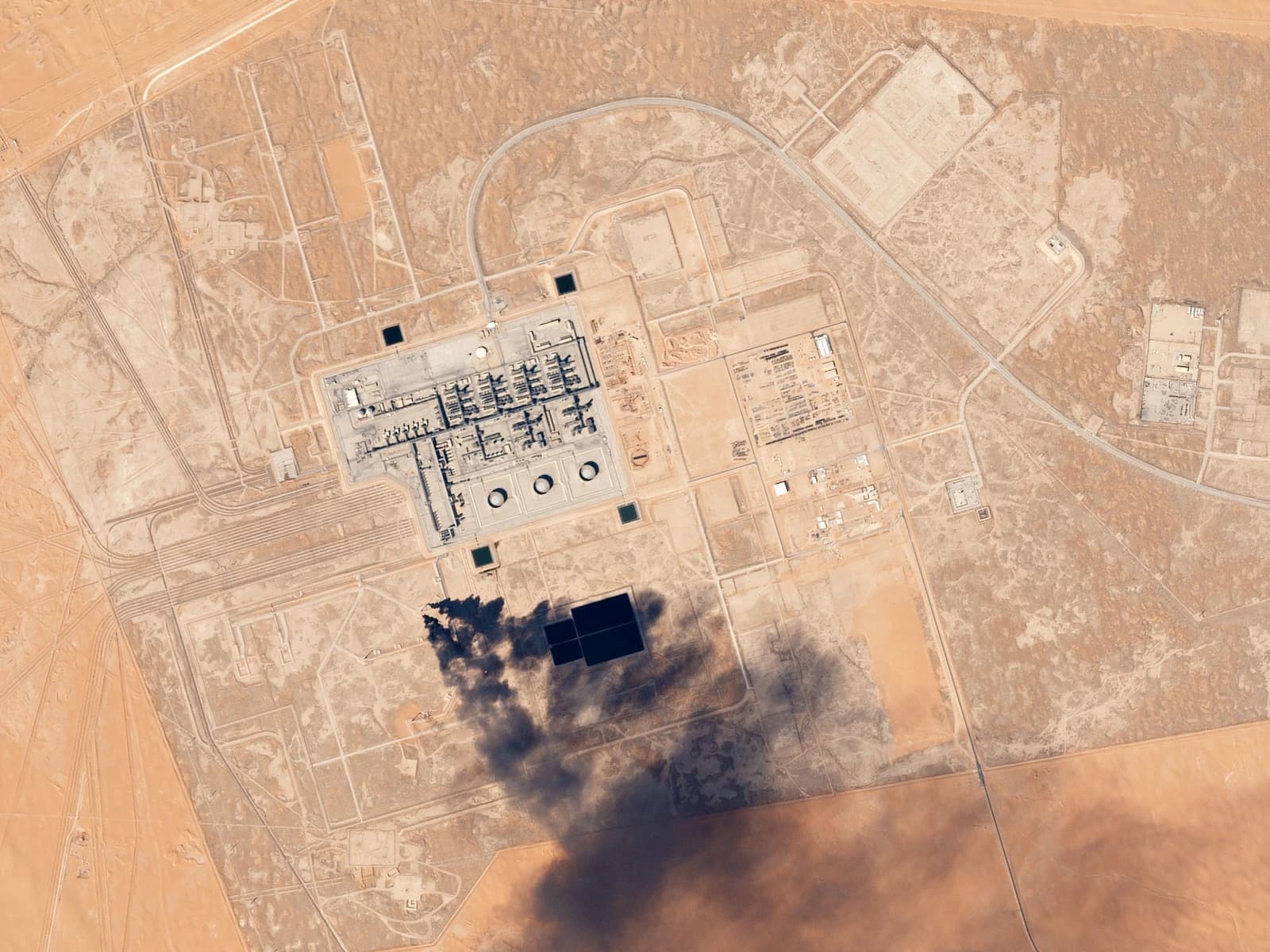
The Houthis’ ability to finance a loyal base while Yemen’s poor absorb the costs of war is sharpening resentment on the ground and adding another layer of instability to a conflict that is increasingly feeding into global energy markets.
Yemen conflict keeps oil prices elevated

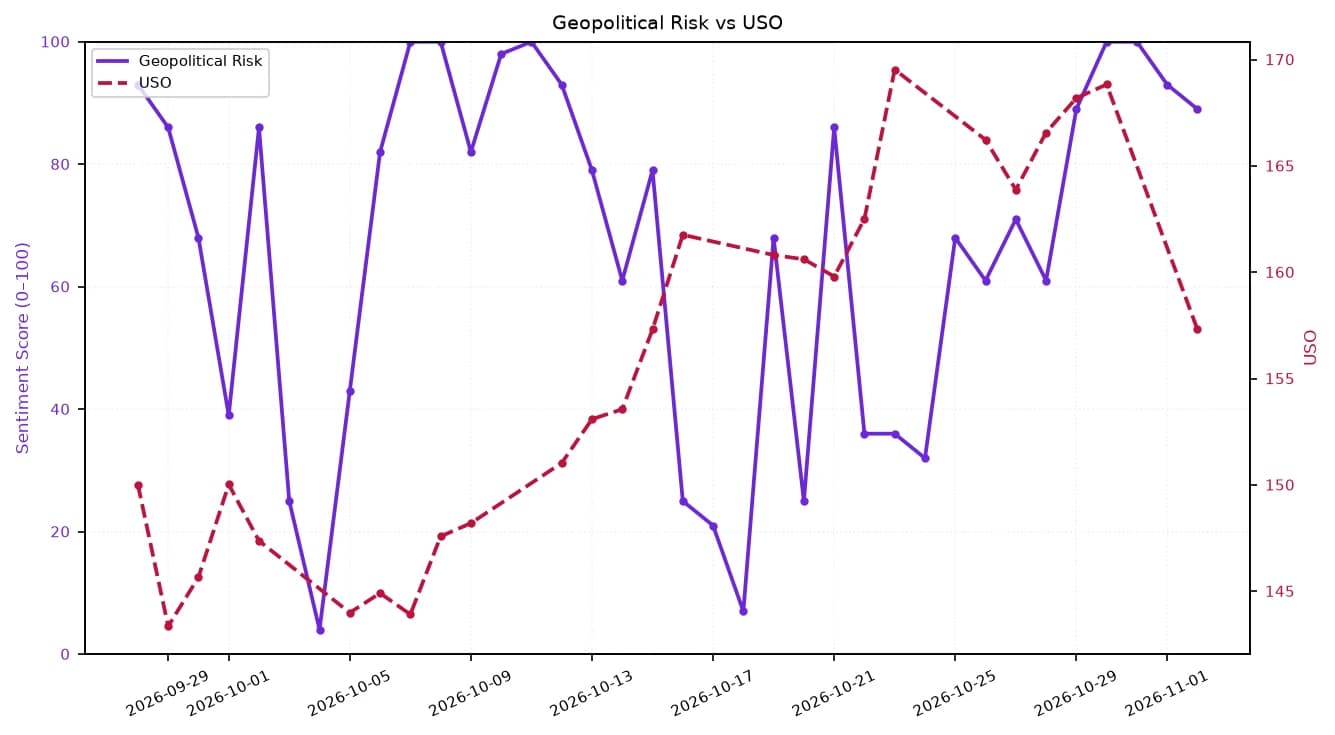
The most important new development is not just the political denunciation of Houthi patronage; it is that the group’s spending priorities are reinforcing a cycle of conflict that keeps crude prices elevated and raises the economic cost of doing business across the region. Brent-linked supply fears have pushed U.S. oil into the high-$90s in the latest forecast, after a violent year that has already seen prices swing from around $85 to above $109 a barrel. That kind of volatility matters for inflation, shipping costs and corporate margins well beyond Yemen.
The data point to a market still pricing in geopolitical risk. West Texas Intermediate is forecast at 98.203 a barrel for Nov. 4, while U.S. oil settled around $99.64 in the latest reading, only modestly below the $100 mark after a sharp run higher earlier in the year. Ten-year Treasury yields are near 4.88%, underscoring how persistent energy-driven inflation pressures can keep borrowing costs elevated even when growth is uneven.
For investors, the clash in Yemen is less about the local battlefield than the spillover effects. Higher oil prices tend to support energy producers such as Chevron and Exxon Mobil, both of which have flagged Middle East supply disruptions as a drag on operations but also benefit from firmer crude. At the same time, importers, airlines, chemicals and broader emerging-market assets are more vulnerable if the conflict widens or shipping lanes face fresh disruption.
That tension is showing up in fund flows and price action. The iShares MSCI Greece ETF, GREK, has held above its 200-day moving average but remains below its 50-day average, while the broader emerging-markets ETF EEM is still trading under both its 50-day and 200-day moving averages, suggesting investors have yet to price in a clean risk-on shift. The Russell-style technical picture points to caution rather than conviction: momentum has improved in some pockets, but recent declines in EEM and firm oil prices argue for a defensive stance toward risk assets exposed to the Middle East.
The broader narrative is that Yemen’s war economy is becoming self-sustaining. The Houthis’ spending on supporters may buy short-term loyalty, but it also deepens civilian anger, prolongs fighting and keeps the region on edge. Until there is a credible ceasefire or a meaningful change in battlefield dynamics, the market will keep treating Yemen as another premium embedded in oil, transport and inflation expectations.
| Entity | Gains | Losses |
|---|---|---|
| Houthi leadership | ▲Patronage and loyalty | ▼Public anger |
| Yemen’s poor | ▲None | ▼Higher hardship |
| Oil producers | ▲Higher crude prices | ▼Political scrutiny |
| Global consumers/importers | ▲None | ▼Higher energy costs |