The yen’s latest surge is turning a crowded macro trade into a faster-moving unwind, and that matters because it can force capital back into Japan, pressure dollar bulls and accelerate losses for investors who are still leaning on cheap yen funding.
Yen Surges as USD/JPY Breaks Below 155

USD/JPY fell to 152.89 on Tuesday, breaking below Bank of America’s 155 trigger and pushing the pair more than 4% lower in September as Bank of Japan tightening bets, repatriation chatter and carry-trade liquidation drove fresh yen buying. The move puts BofA’s 149 year-end target within easy reach and leaves the psychological 150 level as the next obvious battleground.
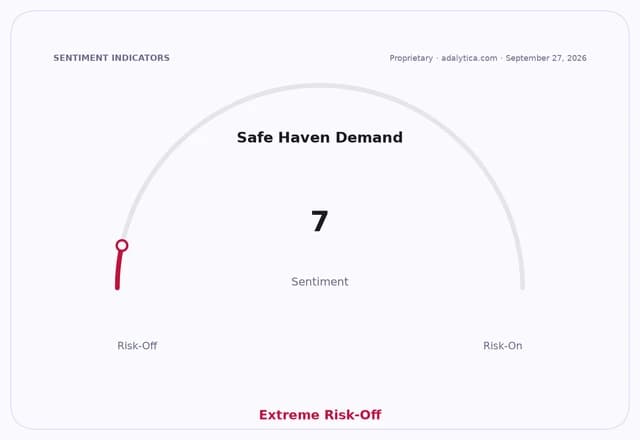
Sentiment IndicatorsⓘProprietary · adalytica.com · September 27, 2026
This is a snapshot — live sentiment, awareness and momentum for 130+ markets update continuously in the dashboard.Open AlphaPulse

What makes this move economically important is that it is no longer just a currency swing — it is a financing shock. A stronger yen raises the cost of borrowing in yen to fund higher-yielding assets elsewhere, which can force leveraged traders to cut positions and can pull money home from overseas bonds and other foreign assets. BofA said the break of 155 could accelerate domestic yen buying, and that is exactly the sort of threshold that turns a gradual repositioning into a self-reinforcing move.
The policy backdrop gives the rally credibility. Markets are now almost fully pricing a 25-basis-point BoJ hike to 1.25% at the September 17-18 meeting, while BofA expects quarterly increases to carry the policy rate to 2% by July 2027. Higher Japanese rates would reduce the logic of staying short yen, especially if Japanese institutions begin rotating from foreign bonds into Japanese government bonds as domestic yields rise.
That is where investors need to pay attention. A faster unwind of the yen carry trade can hit a wide range of assets: it can lift Japanese financials and domestic-rate beneficiaries, while weighing on exporters that depend on a weak yen, and it can trigger volatility across global equities, Treasuries and credit if risk parity and leveraged funding trades are cut. The move also argues for renewed caution on crowded dollar-long positions, particularly if U.S. inflation data soften the case for higher-for-longer Fed policy.
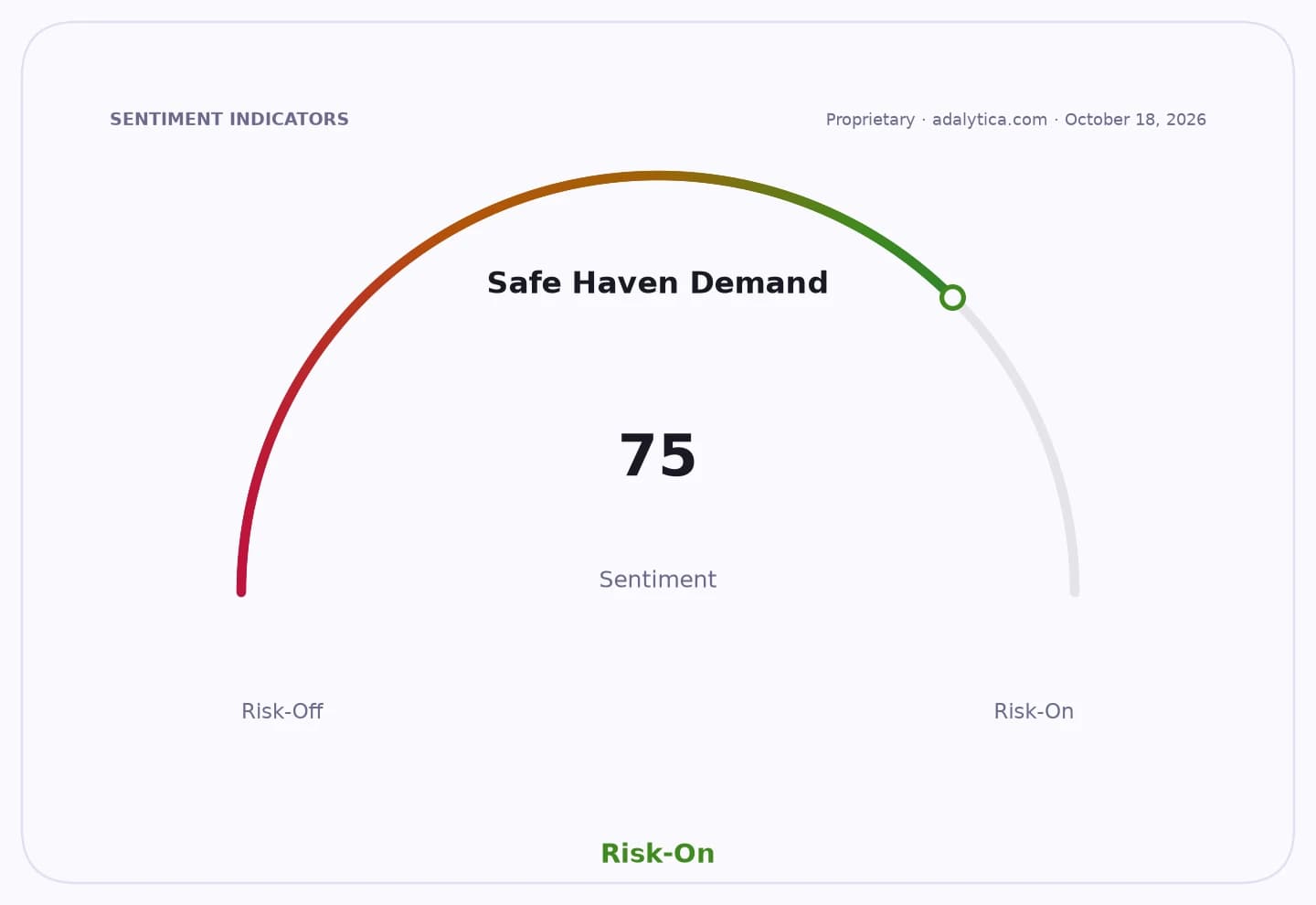
The market is already flashing signs that the trade is getting stretched. Adalytica’s Japanese yen trade signals show extreme fear in the FX-safe-haven complex, while USD/JPY’s break below 155 suggests momentum is now on the side of yen bulls rather than those betting on a renewed dollar rebound. Still, the path is not one-way: a less hawkish BoJ or a hotter U.S. inflation print could quickly slow the rally and revive dollar demand.
For investors, the message is straightforward: the yen carry trade is no longer a quiet background theme, it is becoming a live catalyst. I believe the market underestimates how quickly this can spill from FX into global asset allocation, which is why staying positioned for further yen strength — and for the knock-on beneficiaries inside Japan — looks like the better asymmetric bet now.
| Entity | Gains | Losses |
|---|---|---|
| Japanese yen bulls | ▲Momentum and safe-haven demand | ▼None |
| BoJ hawks | ▲More room to tighten | ▼Dovish yen sellers |
| Japanese domestic assets | ▲Repatriation flows | ▼Foreign-bond allocators |
| Dollar longs / carry traders | ▲None | ▼Funding costs rise |