Volodymyr Zelensky is preparing a significant reshuffle of Ukraine’s military leadership, a move that could determine whether Kyiv can sustain battlefield momentum while keeping command cohesion intact.
Zelensky Reshuffle Could Tighten Ukraine Command
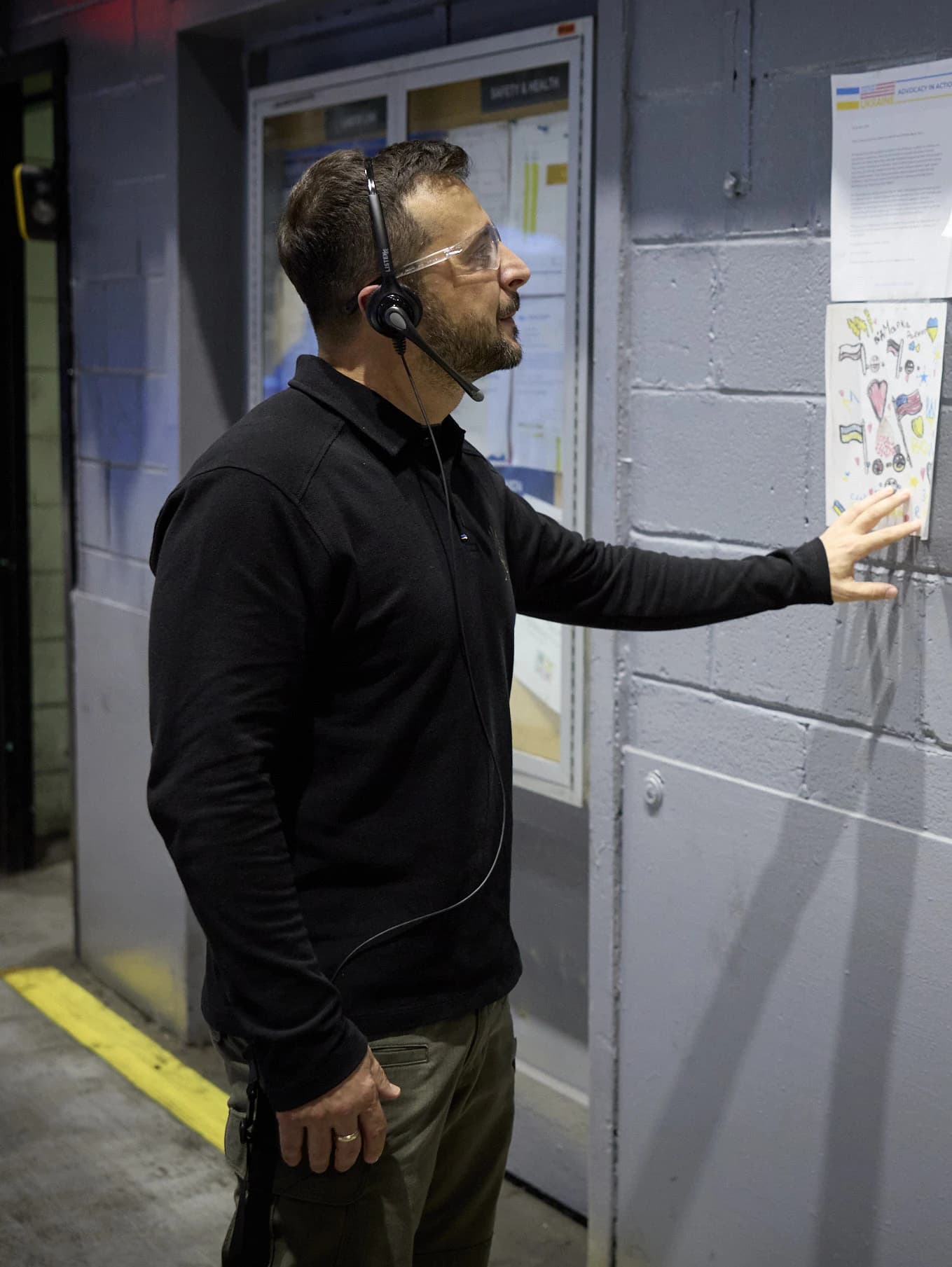
The most important development is not the personnel change itself, but what it says about Ukraine’s war strategy: Zelensky appears to be centralizing authority around a smaller, more trusted leadership team as divisions inside the armed forces threaten to slow decision-making at a critical point in the conflict with Russia. Reports that former defense minister Mihailo Fedorov may take on a new strategic role suggest the president wants a political operator with technology and reform credentials closer to the center of military planning.
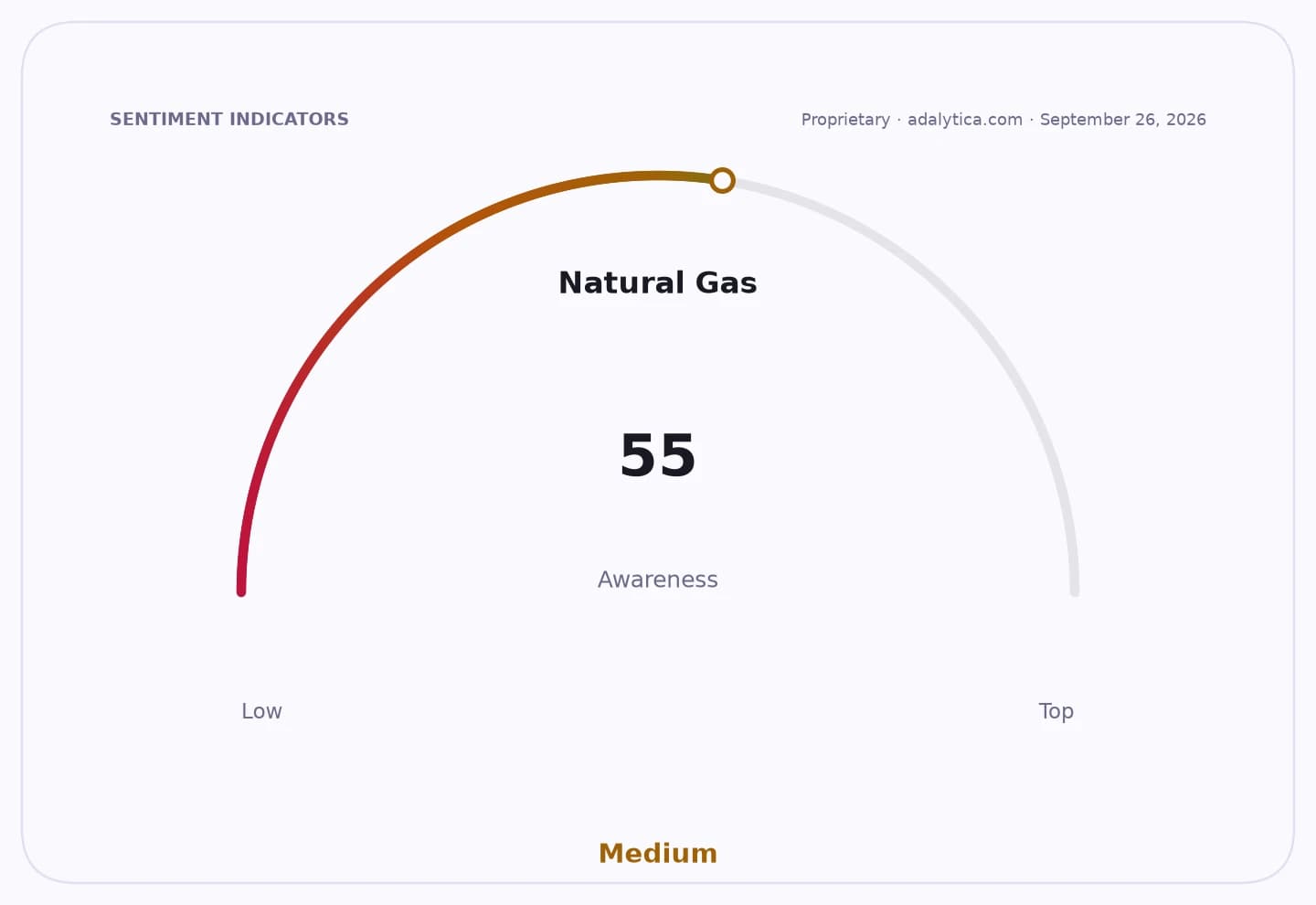
Sentiment IndicatorsⓘProprietary · adalytica.com · July 19, 2026
This is a snapshot — live sentiment, awareness and momentum for 130+ markets update continuously in the dashboard.Open AlphaPulse
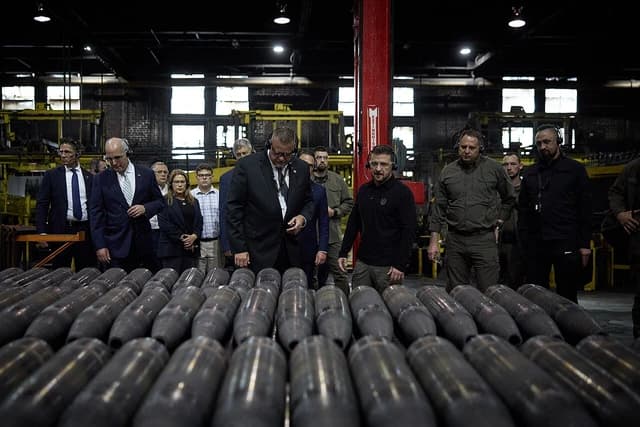
That matters economically because Ukraine’s war effort is now inseparable from its ability to preserve state capacity, secure external funding and sustain logistics, procurement and mobilization. A fractured command structure can delay battlefield coordination, complicate arms absorption from Western donors and weaken confidence in Kyiv’s ability to turn military gains into a durable negotiating position. For a country still reliant on foreign support to finance defense and basic government functions, institutional stability is a strategic asset.
The leadership overhaul follows months of tension inside the military command, including the dismissal of the defense minister and talk of replacing army chief Oleksandr Syrskyi. That backdrop points to deeper disagreements over strategy rather than a simple personnel reset. Zelensky is seeking a structure that can compel Russia to end the war on terms more favorable to Ukraine, but the risk is that repeated reshuffles could feed uncertainty inside the ranks and among allies about who is in charge and what the endgame is.
For investors, the implications run through the broader defense and geopolitical complex. Any move that improves Ukraine’s coordination or speeds up procurement can reinforce demand for Western weapons systems, munitions and air-defense platforms. That is why the market has continued to favor large U.S. defense suppliers such as Lockheed Martin, Northrop Grumman and BAE Systems, which stand to benefit from a prolonged European security crisis and from any effort to replenish inventories after weapons transfers to Kyiv. The latest price action in those names has been more volatile than directional, but the strategic backdrop still supports the sector.
The bull case is that Zelensky’s changes produce a tighter chain of command, better integration of technology and faster execution on the battlefield. A more disciplined military leadership could help Ukraine make better use of scarce resources and keep pressure on Moscow. The bear case is that another round of reshuffles deepens rivalries, distracts commanders and underscores the limits of Ukraine’s current war management at a time when manpower and ammunition remain strained.
What investors should watch now is whether the appointments bring coherence or just fresh turnover. If Fedorov or another trusted figure is given a strategic portfolio, it would suggest Zelensky is building a more centralized wartime management system that links battlefield needs, procurement and diplomatic messaging. If the changes fail to settle command disputes, the risk is not only military but financial: a less predictable Ukraine is a harder case for allies to fund and for defense markets to price.
| Entity | Gains | Losses |
|---|---|---|
| Zelensky’s inner circle | ▲Tighter control | ▼Internal dissent |
| Ukraine military reformers | ▲More authority | ▼Legacy command structures |
| Western defense suppliers | ▲Sustained demand | ▼Less urgency if war momentum improves |
| Russia | ▲Command friction in Kyiv | ▼Stronger Ukrainian cohesion |