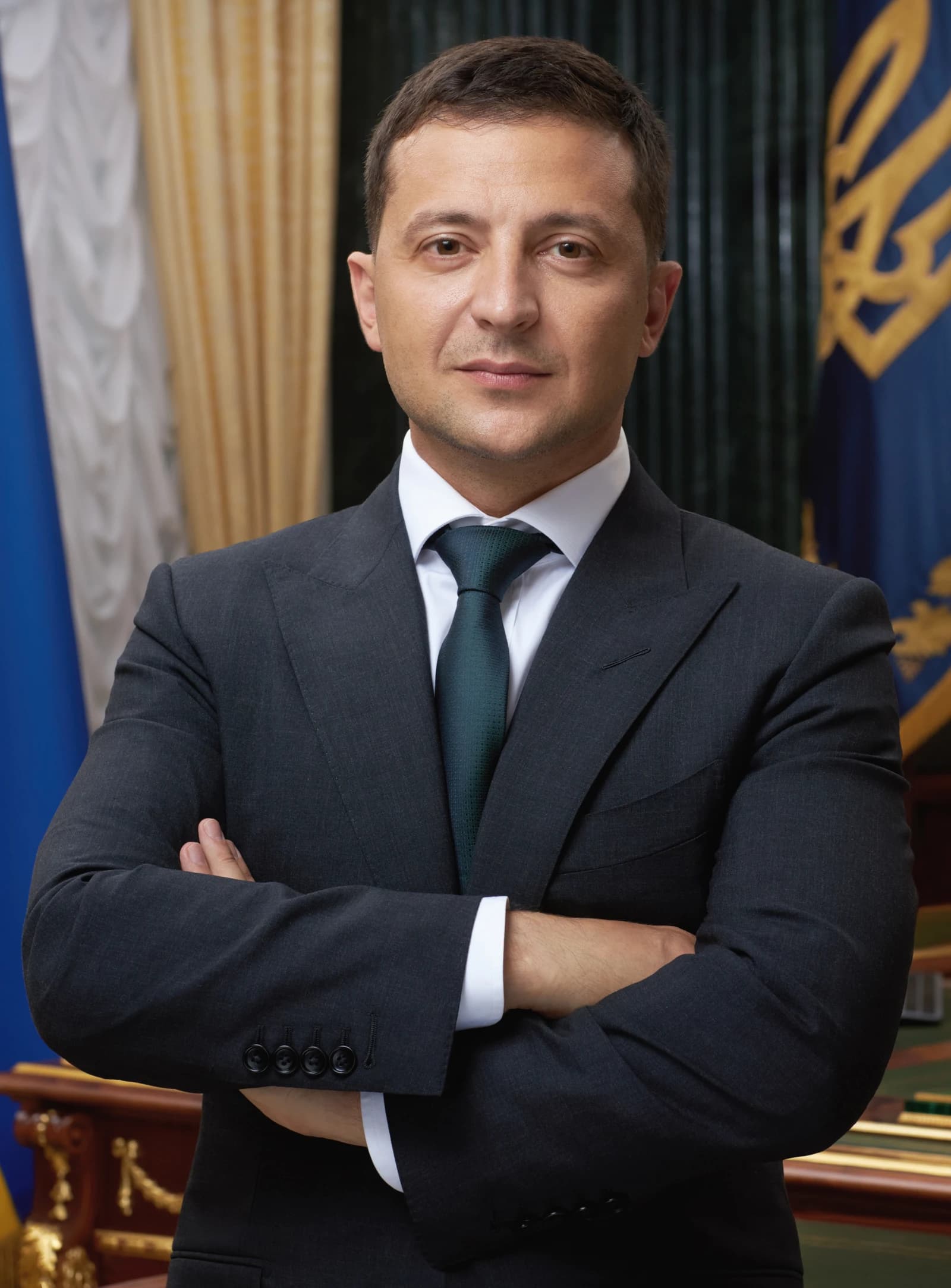
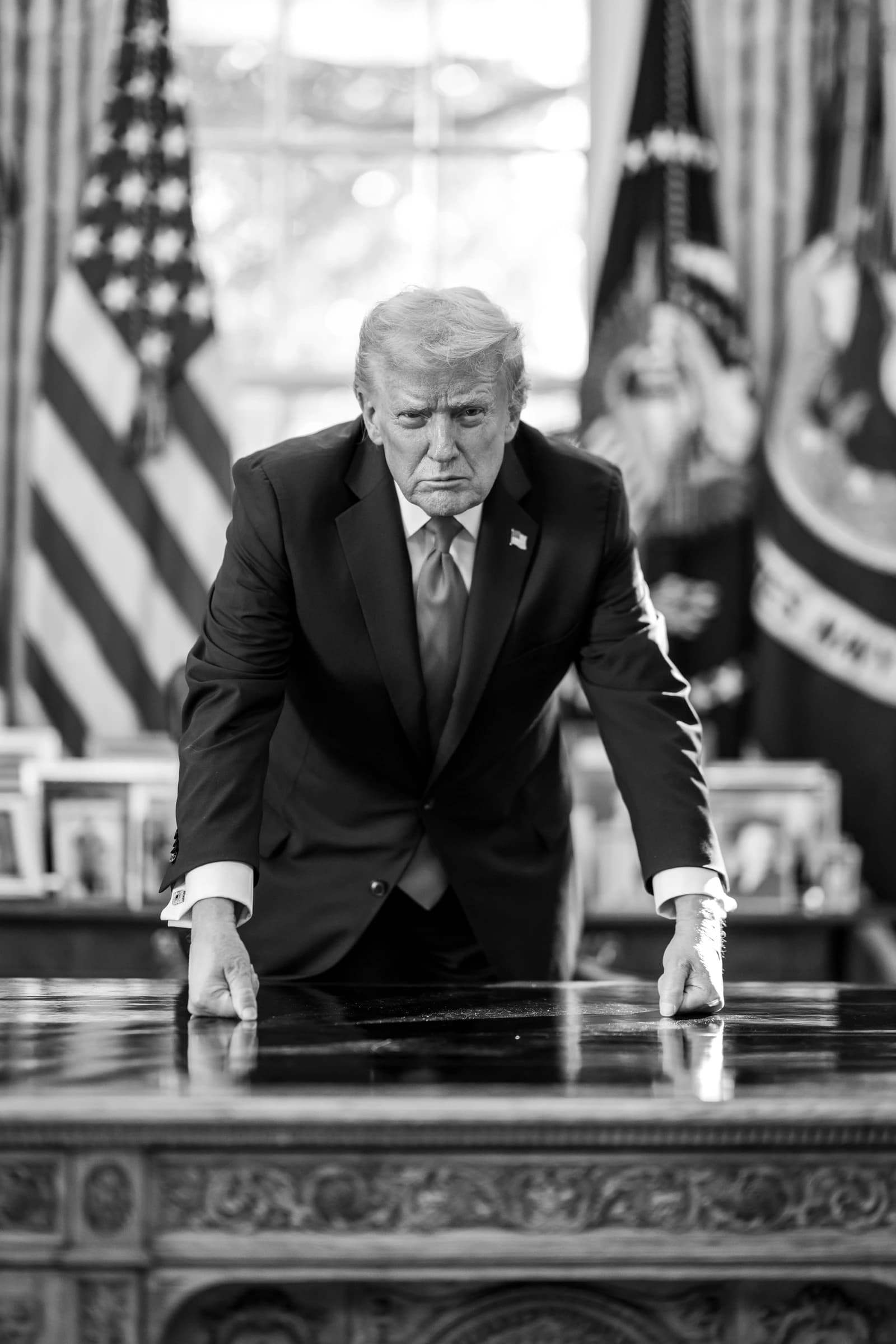
Volodymyr Zelensky’s claim that negotiations with Russia have resumed matters because even a tentative diplomatic opening could quickly reshape energy prices, safe-haven flows and the market’s view of Europe’s security bill.
Zelensky Says Russia Talks Have Resumed

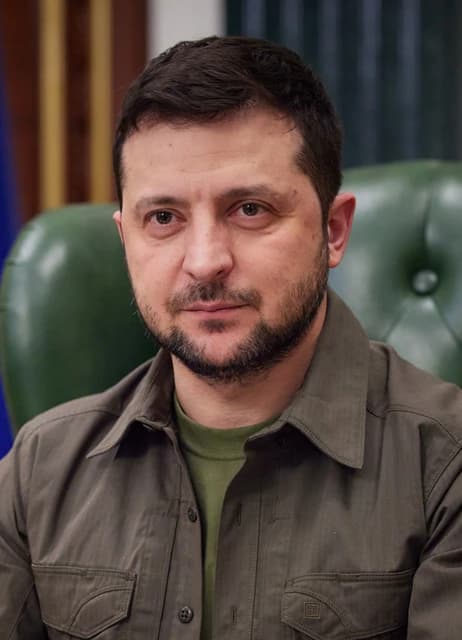
The Ukrainian president said U.S. envoys Steve Witkoff and Jared Kushner had restarted the process with visits to Moscow and then Kyiv, while stressing that the most difficult issues — territory, security guarantees and Ukraine’s future — can only be settled at leader level. That makes the latest move less a breakthrough than the first real attempt in months to turn battlefield exhaustion into a political track.
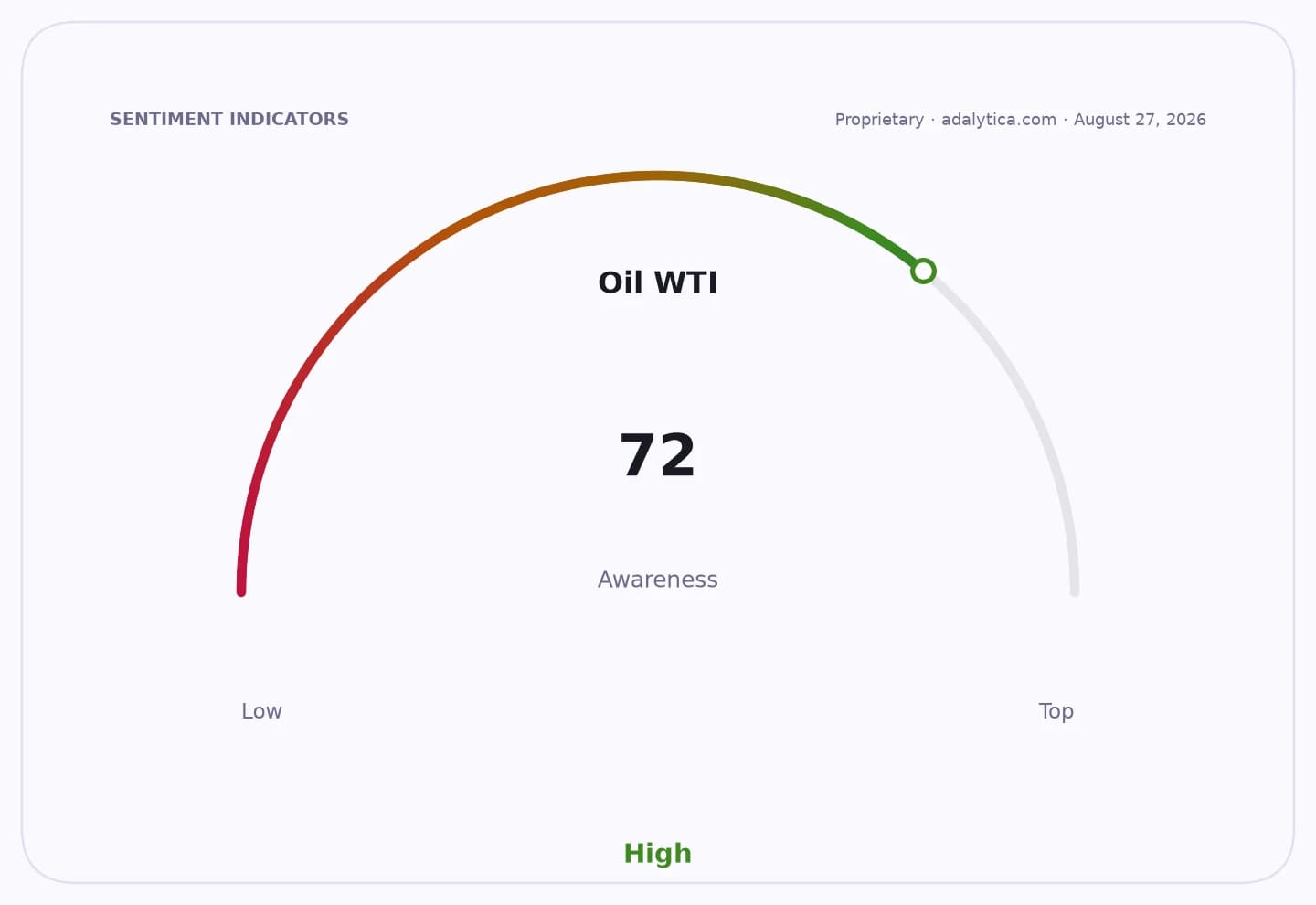
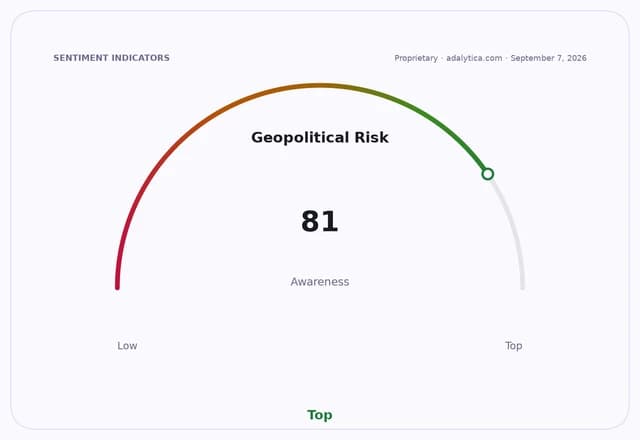
Sentiment IndicatorsⓘProprietary · adalytica.com · September 7, 2026
This is a snapshot — live sentiment, awareness and momentum for 130+ markets update continuously in the dashboard.Open AlphaPulse
For investors, the significance is immediate. The market is still pricing in a world where the war keeps a persistent bid under oil, gold and defense spending, while reinforcing Europe’s dependence on U.S. security guarantees. Any credible path to talks would challenge that trade. Any collapse in the process would do the opposite and keep geopolitical risk embedded in commodities and sovereign assets.
That tension is visible in the market tape. U.S. Oil Fund shares have climbed to about $141.96 from $112.21 on July 8, with the fund trading well above its 50-day moving average and RSI readings near 70, a sign the energy market has been treating war risk as a live premium. Gold has also held firm around $406.77, far above its 50-day average, even after a pullback from the year’s highs, showing that investors are still hedging against a messy outcome. Adalytica’s Global Stability Sentiment index fell to 30, or “Fear,” from 74 the day before, underscoring how fragile confidence remains despite the diplomatic headline.
Geopolitical Risk vs USOadalytica.com
Explore this data interactively — full history, time series and cross-market comparisons.Open AlphaPulse
The economic stakes go beyond trading. A real reduction in hostilities would ease pressure on European energy markets, reduce disruption risk to shipping and infrastructure, and potentially allow capital to rotate away from defense, energy and safe-haven assets. But the fact that Zelensky singled out territorial questions and postwar guarantees suggests the negotiations remain long-dated and highly political, not the kind of near-term peace dividend that would justify abandoning hedges.
That is why the market may be underestimating the second-order trade. The first winners from any durable thaw would likely be importers of energy, European industrials and long-duration risk assets. The losers would be crude bulls, gold holders expecting a sustained crisis premium, and defense names that have been repriced on the assumption that war spending is structural. Until there is evidence of a leader-level deal, however, investors should treat this as an opening, not an exit.
My view is that the asymmetric opportunity is not in betting on peace outright, but in owning the assets that benefit if a ceasefire talk gains traction while keeping exposure to the hard beneficiaries of a failed process. That means watching oil, gold and European equities for the first signs of a regime shift — and staying nimble until the diplomacy produces something more durable than a headline.
| Entity | Gains | Losses |
|---|---|---|
| Energy importers | ▲Lower fuel costs | ▼War premium in prices |
| Gold bulls | ▲Safe-haven bid | ▼Risk-off panic trade |
| Defense contractors | ▲Prolonged rearmament spend | ▼Peace dividend repricing |
| Oil producers | ▲Tight supply narrative | ▼Easing geopolitical premium |