Zijin RG Gold is moving to nearly double processing capacity at its Raigorodok mine in Kazakhstan, a sign that gold producers are still investing for growth despite volatile bullion prices and rising operating costs.
Zijin RG Gold plans Raigorodok capacity expansion
The company said it has presented a project for a new gold-processing plant with capacity to treat 10 million tons of ore a year, lifting total mining and processing capacity at Raigorodok to 16 million tons once the expansion is completed. The second plant would add 7 tons of doré production a year, taking output at the complex to more than 12 tons of gold annually.
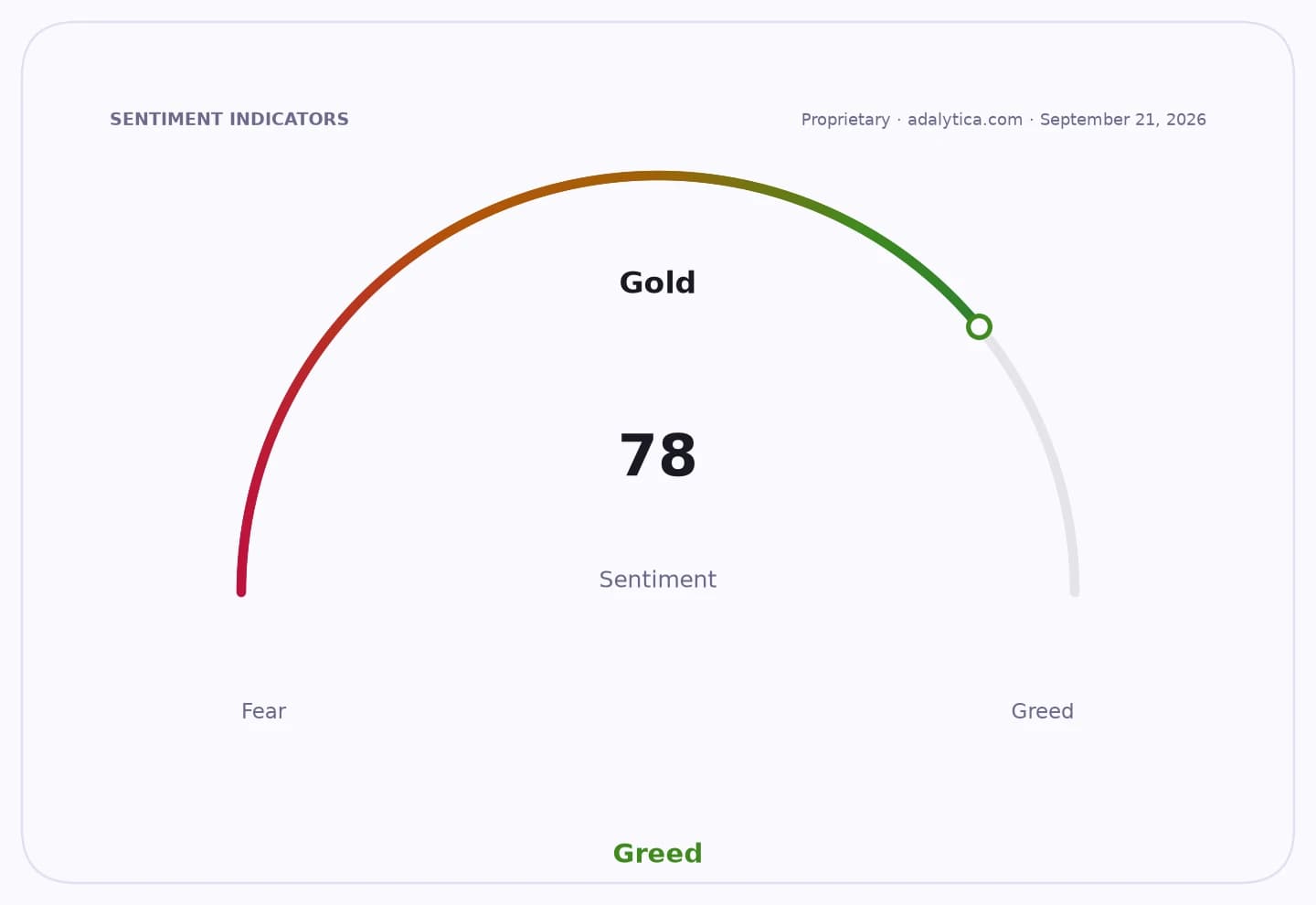
Sentiment IndicatorsⓘProprietary · adalytica.com · September 7, 2026
This is a snapshot — live sentiment, awareness and momentum for 130+ markets update continuously in the dashboard.Open AlphaPulse
For investors, the project matters because it extends the production profile of one of Zijin Mining Group’s key overseas assets at a time when the gold sector is being shaped by two opposing forces: strong underlying demand and increasingly demanding economics for new supply. Gold prices have been volatile in recent weeks, but the broader case for builders of new capacity remains intact as safe-haven demand, jewelry consumption and central-bank buying continue to support the metal.
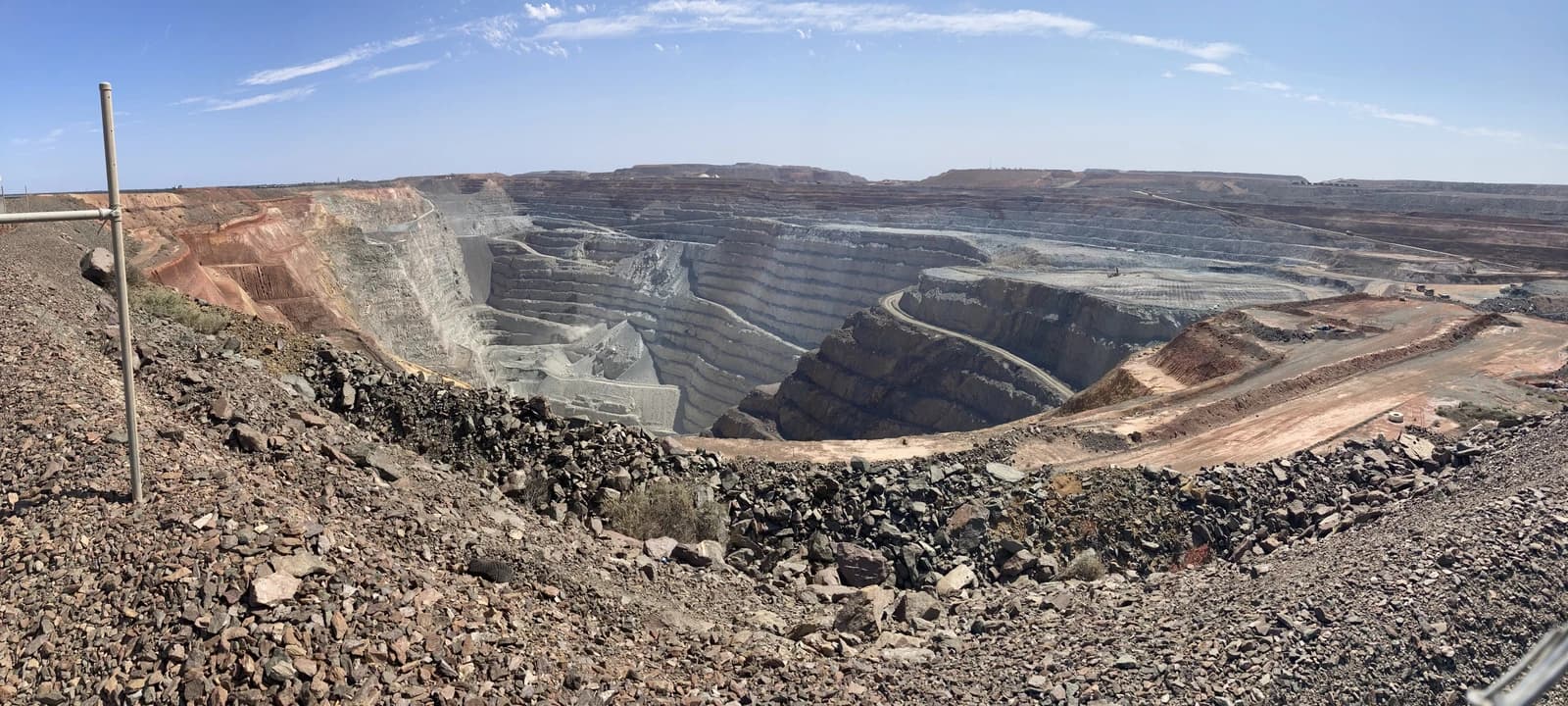
Raigorodok is already a meaningful asset. A 6.5 million-ton-a-year plant was commissioned there in 2022, giving the operator a base of technical and operating experience before committing to a larger buildout. The deposit’s gold reserves are estimated at about 167 tons under Kazakhstan’s KAZRC classification, making it a sizeable monometallic resource and a long-life candidate for staged development.
The project also underlines Zijin’s strategy of turning overseas mining assets into larger, integrated production hubs. Zijin RG Gold said the expansion will include power and water supply, tailings storage, mining and transport infrastructure, repair and warehouse facilities, offices and a 400-person camp. That suggests the company is not simply adding a processing line, but building the infrastructure needed to sustain higher throughput and reduce bottlenecks.
The economics are straightforward. Higher capacity can lower unit costs if grades and recoveries hold up, improving margins when bullion is strong and cushioning the business when prices weaken. But the trade-off is familiar: more capital expenditure, more execution risk and greater sensitivity to operating discipline, especially on energy use, tailings management and logistics.
Management is framing the project as both an industrial and regional investment. The company says more than 1,800 people work at Zijin RG Gold, with 51% of them residents of Akmola region, and that the expansion should create additional jobs, local procurement and subcontracting demand. That makes the mine relevant not only to shareholders but also to Kazakhstan’s industrial policy and regional development agenda.
The broader message for investors is that gold supply growth is still being pursued through selective, large-scale projects even as markets swing between fear and greed. If the Raigorodok expansion stays on schedule, it would strengthen Zijin’s production base and support group output growth in a sector where new ounces are increasingly expensive to add. The key risks now are capital intensity, permitting, construction timing and whether gold prices remain high enough to justify the next phase of spending.
| Entity | Gains | Losses |
|---|---|---|
| Zijin RG Gold | ▲Higher output, lower unit costs | ▼Higher capex and execution risk |
| Zijin Mining Group | ▲Bigger overseas production base | ▼More exposure to Kazakhstan operations |
| Akmola region | ▲Jobs and local spending | ▼Pressure on infrastructure and environment |
| Gold rivals with no expansion | ▲Weaker competitive pressure | ▼Missed growth and scale advantage |