Aclara’s rare-earth project in Penco is running into a political and geopolitical wall because groups in Chile say the involvement of military contractors turns a mining venture into a national-security issue at a time when Washington is pouring money into critical minerals to cut dependence on China.
Aclara Penco rare-earth project faces Chile scrutiny
That matters because rare earths are no longer just another mining commodity — they are a strategic input for defense systems, electric vehicles, semiconductors and other advanced manufacturing. When a project becomes entangled with military-linked capital, the debate shifts from permits and environmental reviews to supply-chain sovereignty, foreign influence and the risk of policy intervention. For investors, that raises both the prize and the risk: the asset could become more valuable if governments prioritize non-China supply, but execution risk, community resistance and regulatory delays can also destroy timelines and returns.
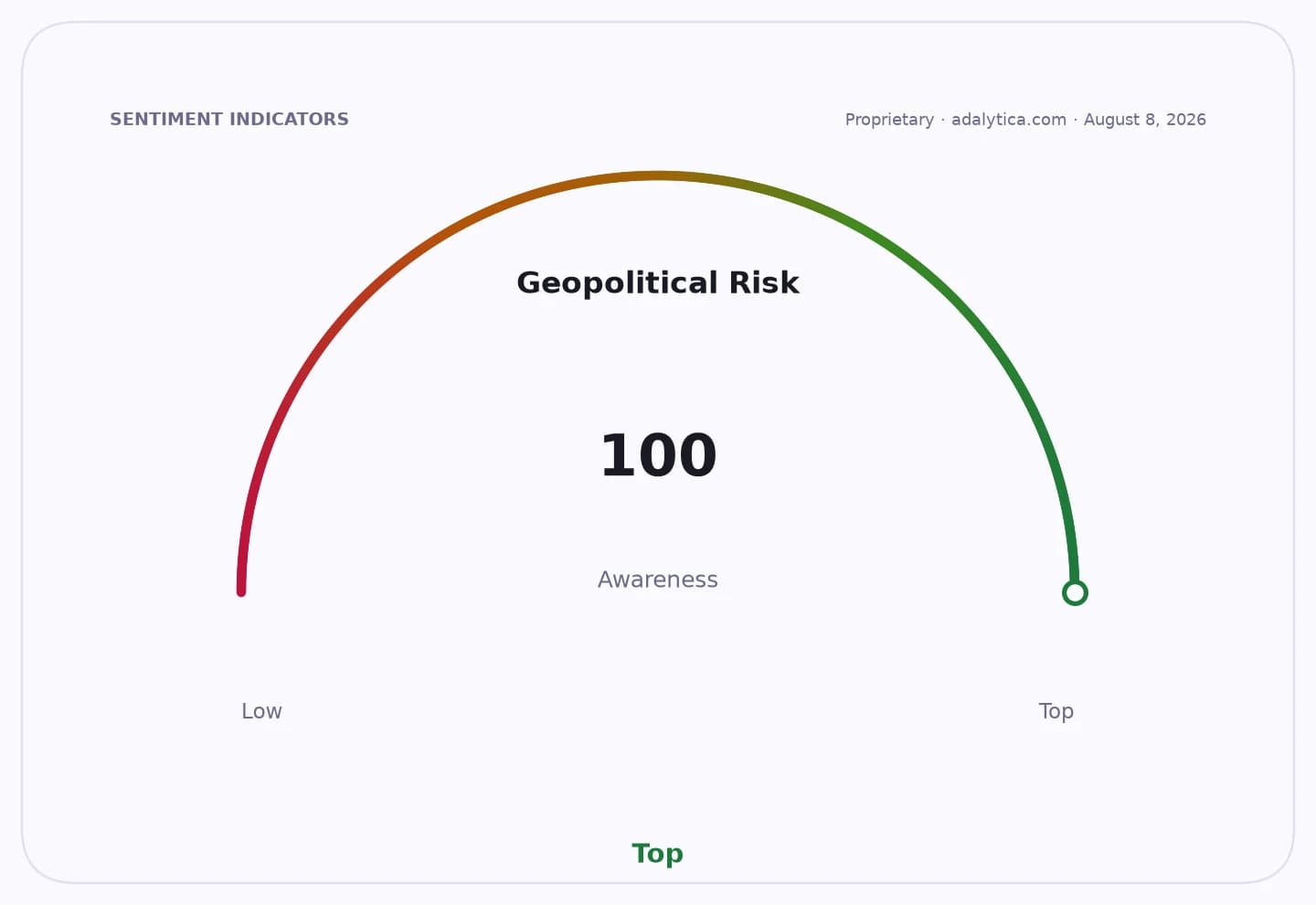
Sentiment IndicatorsⓘProprietary · adalytica.com · August 8, 2026
This is a snapshot — live sentiment, awareness and momentum for 130+ markets update continuously in the dashboard.Open AlphaPulse
The timing is especially important. President Donald Trump has already announced a $560 million conditional loan commitment for Australian miner Sunrise Energy Metals as part of a broader $2.8 billion push to reduce U.S. dependence on Chinese critical minerals. That is part of a larger global scramble to secure non-Chinese supply chains, and it creates a powerful backdrop for projects like Aclara’s. The market is underestimating how quickly capital is being redirected toward strategic minerals, and how much political scrutiny will follow it.
For listed miners and their suppliers, this is the new reality. The winners are the companies with deposits, processing know-how and credible Western financing; the losers are projects that look strategically useful on paper but become politically toxic on the ground. That split matters for names such as MP Materials, Freeport-McMoRan and Southern Copper, which sit in the same broad critical-minerals universe and have already seen how fast sentiment can swing when geopolitics enters the valuation model.
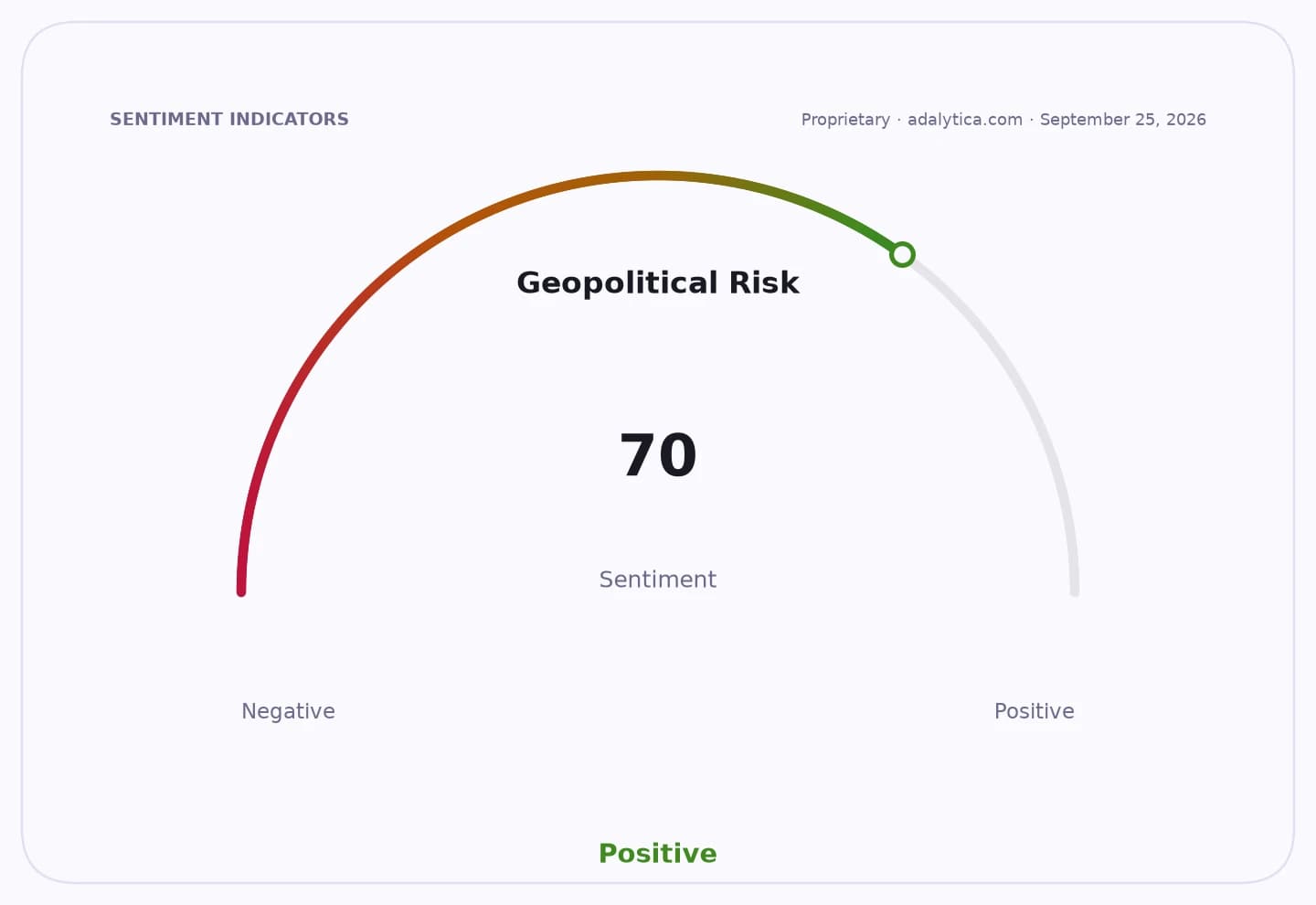
Geopolitical Risk — 30-day sentimentadalytica.com
Explore this data interactively — full history, time series and cross-market comparisons.Open AlphaPulse
MP Materials, in particular, has become a proxy for the West’s rare-earth rebuild. Its stock has been volatile, but the bigger story is that strategic projects are now being repriced not just on geology and cash flow, but on their role in national security. Standard technical indicators on the shares show the kind of momentum traders are chasing when policy headlines turn positive, but that momentum can reverse just as fast if permitting or community opposition hardens.
My view is that the market still underprices the second-order beneficiaries of the critical-minerals arms race. The obvious names get attention first, but the real upside often sits with the infrastructure, processing and offtake players that can deliver supply in politically acceptable jurisdictions. The Aclara controversy is a reminder that in this cycle, finance is only half the battle — legitimacy is the other half.
Investors should treat every new critical-minerals announcement as a geopolitical trade, not just a mining story. The best-positioned capital is going to projects and listed companies that can prove three things at once: secure funding, local social license and alignment with U.S. and allied supply-chain strategy. That is where the asymmetric opportunity is likely to be found.
| Entity | Gains | Losses |
|---|---|---|
| Critical minerals producers in allied countries | ▲Higher strategic value | ▼More political scrutiny |
| Aclara project backers | ▲Potential policy tailwind | ▼Community opposition |
| MP Materials, FCX, SCCO | ▲Sector rerating potential | ▼Volatility from geopolitics |
| China-dependent supply chains | ▲Less strategic relevance | ▼Share of critical supply |