A sharp selloff in Alphabet, Meta and Snap is showing how geopolitics around disinformation and platform regulation is now colliding with the economics of digital advertising.
Ad Platforms Face Regulatory and Geopolitical Pressure
The move matters because the market is no longer treating content moderation, algorithm scrutiny and politically sensitive speech as side issues. For the biggest social and search platforms, those risks now feed directly into revenue growth, legal exposure, user trust and, ultimately, valuation. The pressure is especially acute when investors are already questioning whether ad budgets, engagement and margins can keep rising at the same pace in a more regulated environment.
Sentiment IndicatorsⓘProprietary · adalytica.com · July 28, 2026
This is a snapshot — live sentiment, awareness and momentum for 130+ markets update continuously in the dashboard.Open AlphaPulse
Alphabet closed most recently at 326.56, down from 370.92 and well below its 50-day moving average of 363.11, while its RSI reading of 30.8 points to a stock that has been heavily sold. Meta fell to 593.87 from 681.31 and is also trading under its 50-day average of 605.38, with momentum indicators weakening further. Snap, the most fragile of the three, has been hit hardest: the stock finished at 4.52, far below its 200-day average of 6.23, underscoring how little margin of safety investors see in smaller ad-dependent platforms.
That market reaction fits the broader narrative of algorithm geopolitics. These companies do not just host content; they shape what billions of users see, which makes them central actors in the fight over information, political influence and state oversight. Alphabet’s recent shareholder rejection of a proposal on politicized content moderation suggests investors and management are still trying to draw a line between governance concerns and direct business risk. But the SEC language in Alphabet’s filings, and similar disclosures from Meta and Snap, shows the issue has moved from policy debate to material operating risk.
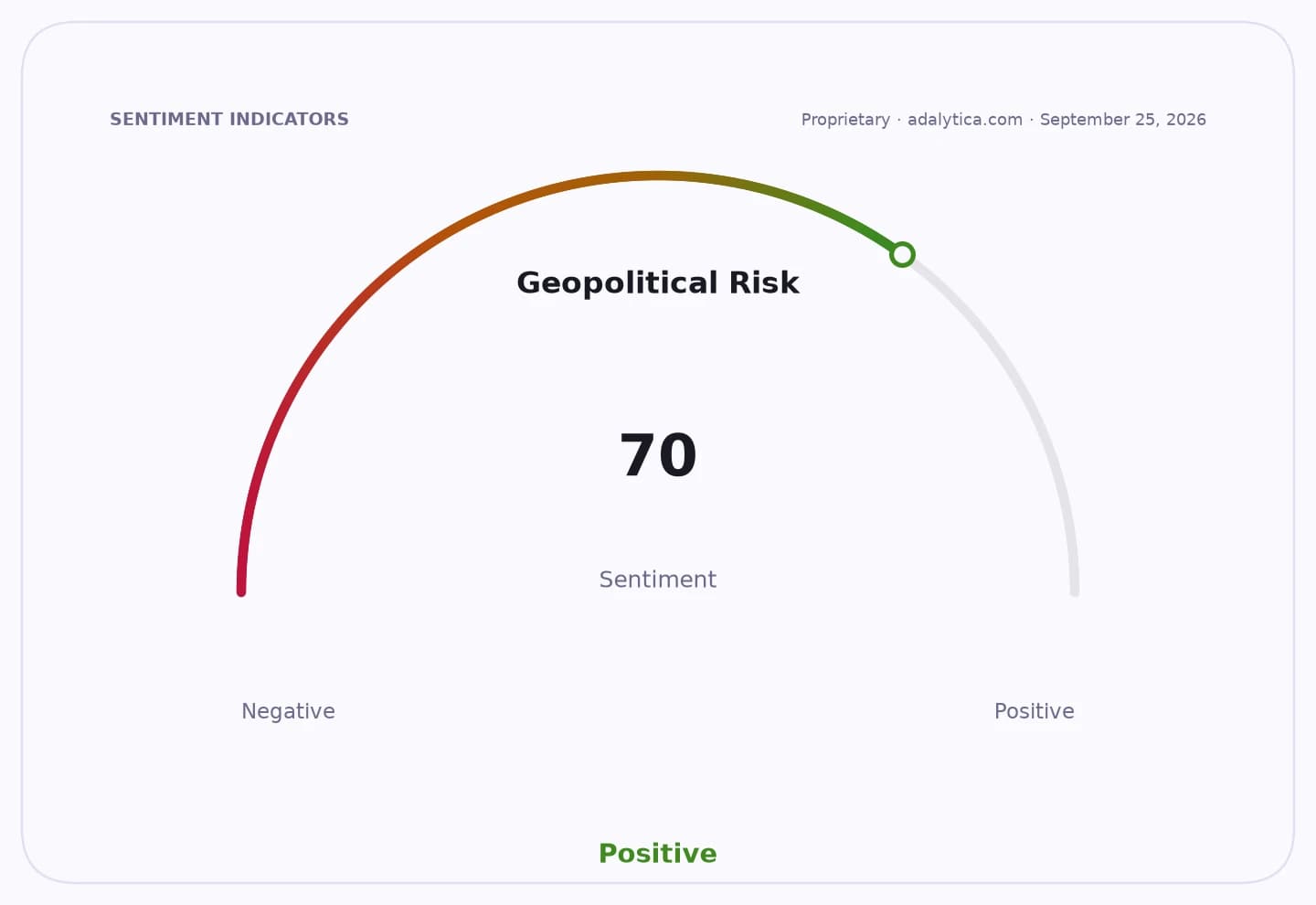
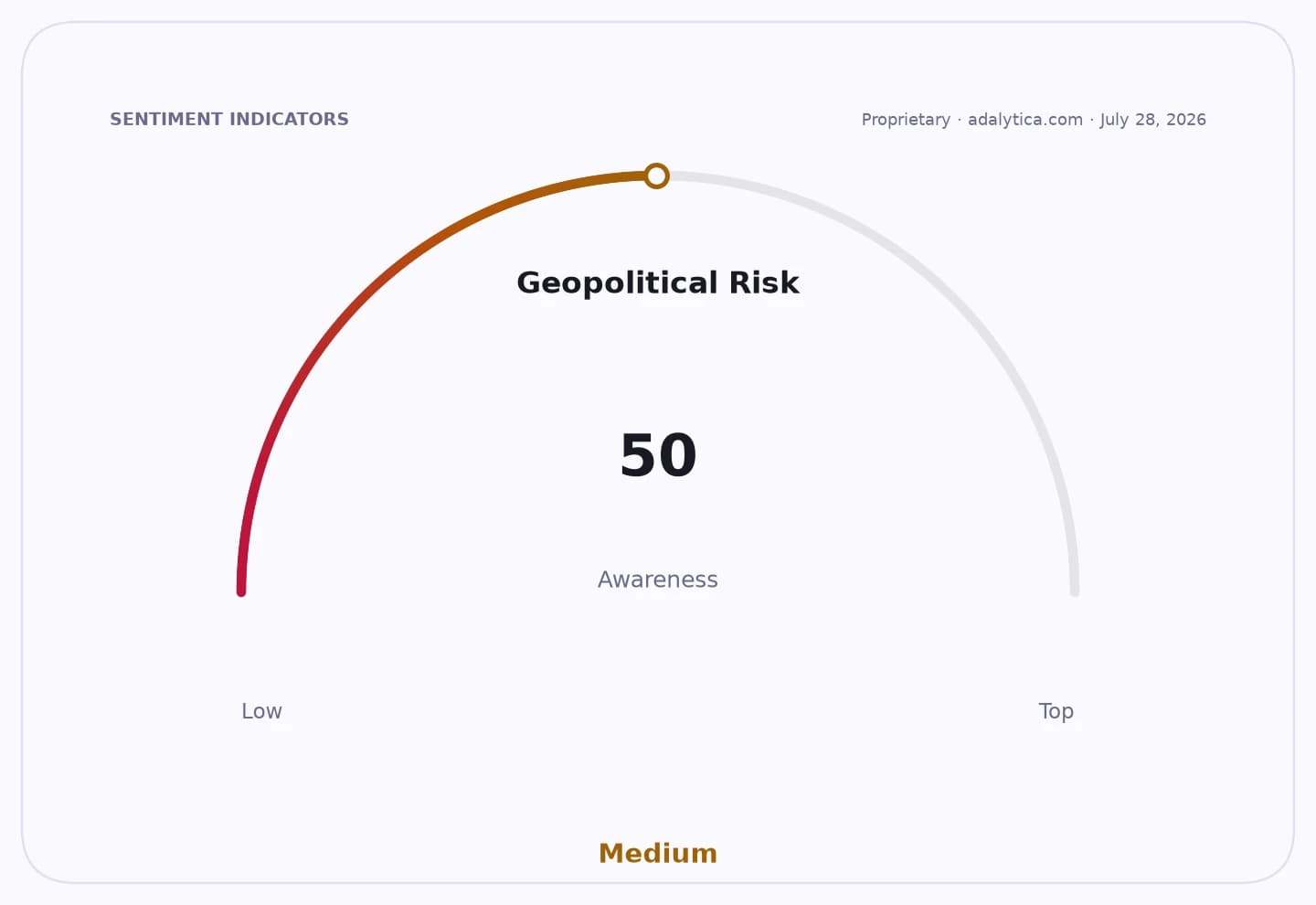
Geopolitical Risk — 30-day sentimentadalytica.com
Explore this data interactively — full history, time series and cross-market comparisons.Open AlphaPulse
For advertisers, the stakes are practical. Tighter moderation can reduce reach and engagement, while looser controls can trigger reputational damage, regulatory action or boycotts. Either outcome can pressure pricing and inventory. For the platforms, the bull case is that stronger controls, better AI moderation and more transparent governance could preserve user trust and keep brands spending. The bear case is that compliance costs rise, political pressure intensifies and engagement becomes harder to monetize, especially if users migrate toward less regulated channels.
The Adalytica Global Stability Sentiment reading at 29, in “Fear,” reinforces that investors are once again pricing a more fragile geopolitical backdrop. That does not by itself change earnings, but it does matter for sentiment-sensitive ad names that depend on global consumer and corporate confidence. In parallel, the dollar’s own trade signal has weakened sharply, a reminder that macro cross-currents are adding another layer of uncertainty for U.S.-listed multinationals with heavy overseas exposure.
For investors, the key question is whether the current drawdown is a buying opportunity in quality platforms or the beginning of a longer de-rating as algorithm oversight, disinformation risk and geopolitical scrutiny become permanent features of the digital economy. The answer will hinge on upcoming earnings, regulatory developments and whether management can prove that compliance, moderation and growth can coexist without eroding margins.
| Entity | Gains | Losses |
|---|---|---|
| Regulators | ▲More leverage | ▼Platforms’ flexibility |
| Advertisers | ▲Safer brand placement | ▼Cheap, broad reach |
| Alphabet | ▲Governance clarity if controls improve | ▼Ad growth and sentiment |
| Meta and Snap shorts | ▲Downside momentum | ▼Risk if ad demand stabilizes |