The Asian Development Bank is putting up to 390 billion yen on the line for small businesses and low-income borrowers across Asia-Pacific, a fresh signal that development finance is being pushed toward the region’s most credit-starved borrowers just as global rates stay relatively high and private lenders remain selective.
ADB backs Asia SMEs with 390 billion yen facility
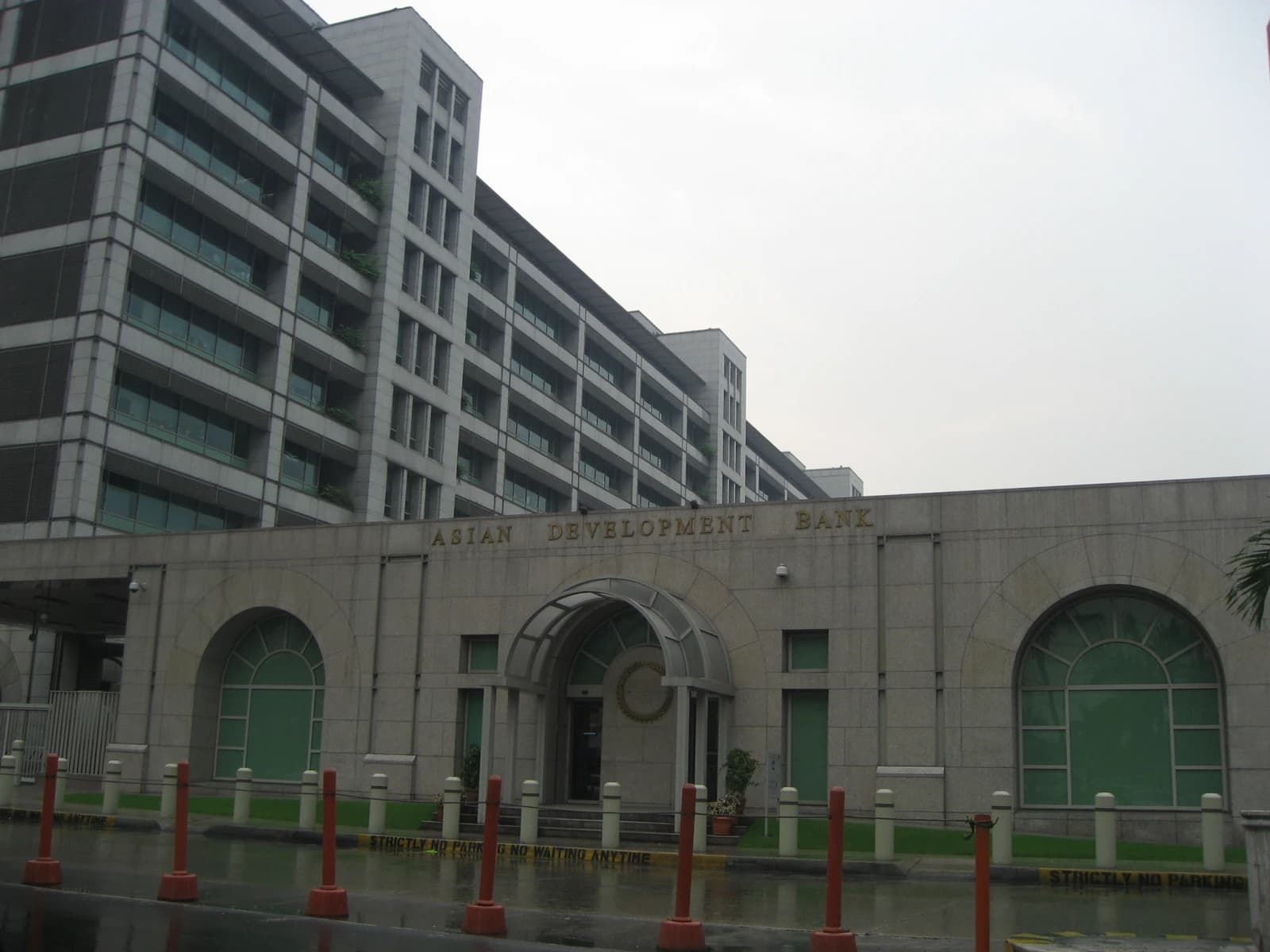
The scale matters because small and medium-sized enterprises account for a large share of employment and local investment in emerging Asia, but they are often the first to lose access to affordable funding when borrowing costs rise. With the US federal funds rate still around 3.63% and the 10-year Treasury yield near 4.66%, global financing remains far from easy, even after the latest easing in some policy rates. That makes multilateral credit lines more valuable as a backstop for working capital, trade finance and small-ticket lending.
Sentiment IndicatorsⓘProprietary · adalytica.com · August 1, 2026
This is a snapshot — live sentiment, awareness and momentum for 130+ markets update continuously in the dashboard.Open AlphaPulse
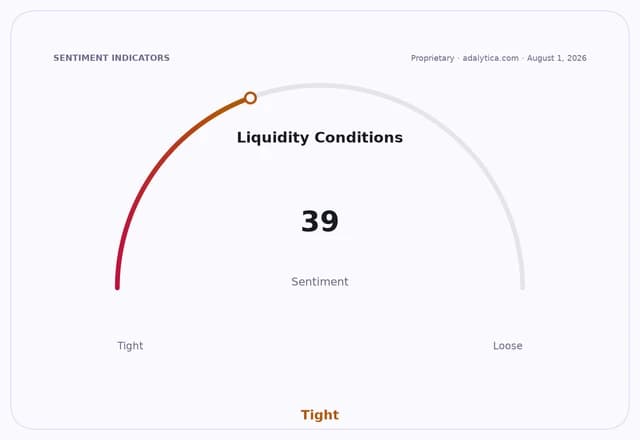
For governments in the region, the ADB facility is also a practical counterweight to slower private capital flows. Banks have been more cautious with unsecured borrowers and smaller firms, while many households at the lower end of the income spectrum continue to face higher debt-service burdens. A public-sector lending window can help sustain consumption, preserve jobs and support local supply chains without forcing borrowers into the shadow-banking system.
For investors, the move reinforces the case that SME finance remains a structural growth theme in Asia rather than a niche development mandate. Lenders with strong retail and small-business franchises can gain market share if they can originate credit efficiently, while asset managers and development-finance investors may see more co-lending and guarantee opportunities. It also highlights the defensive appeal of banks and lenders tied to domestic demand rather than export cycles alone.
The broader narrative is that development institutions are stepping in where markets are still too expensive or too cautious. If the program is deployed smoothly, it could support business formation, employment and repayment performance across multiple economies in the region. The risk is that weaker growth or currency pressure could still leave borrowers vulnerable, making execution and credit screening as important as the headline size of the facility.
| Entity | Gains | Losses |
|---|---|---|
| ADB | ▲Development impact | ▼Balance-sheet risk |
| SME borrowers | ▲Cheaper funding | ▼Tight private credit |
| Low-income households | ▲Access to loans | ▼High borrowing costs |
| Commercial banks | ▲Co-lending opportunities | ▼Lost niche lending margin |




