In Singapore, soybean waste is being turned into food and fertilizer, a small but telling example of how the global oilseed business is trying to wring more value from every bean.
ADM and Bunge gain from soybean byproducts
That matters because the winners in agriculture are increasingly the companies that can monetize not just the crop itself, but the byproducts. Soybeans are no longer just a protein source and an oilseed for cooking and biofuels; the leftovers can be upgraded into higher-margin ingredients, animal feed, soil nutrients and even consumer food products. In a world of tighter weather, pest and climate conditions, that kind of circular processing can help protect margins and reduce waste.
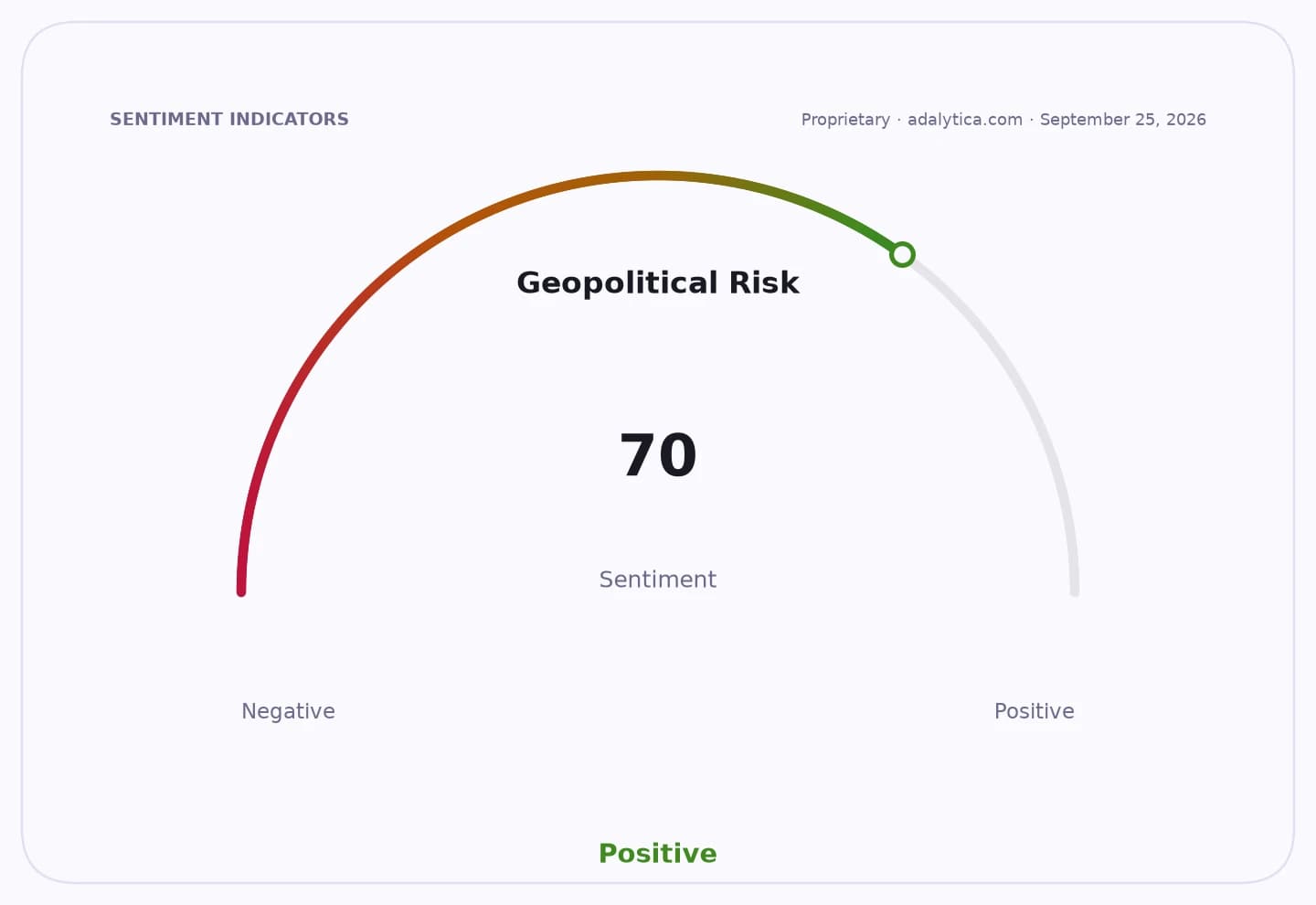
Sentiment IndicatorsⓘProprietary · adalytica.com · August 19, 2026
This is a snapshot — live sentiment, awareness and momentum for 130+ markets update continuously in the dashboard.Open AlphaPulse
The timing is also important for investors. Archer-Daniels-Midland and Bunge both sit at the center of the soybean chain, and their shares have reflected renewed confidence in processing economics. ADM has climbed to around $81.63 from $59.67 in mid-November, while Bunge has risen to $115.14 from $94.42 over the same stretch. Both stocks are still trading above their 200-day moving averages, a sign that the market continues to reward the value of scale in agricultural processing.
The business case is straightforward: more efficient use of each ton of soybeans can support returns even when crop conditions are uneven. That is especially relevant after news of larvae infestations, heat and drought have raised concern over soy and corn output in key growing regions. When supply is pressured, processors that can extract more value from every input often gain pricing power and better utilization across their plants.
For ADM and Bunge, the Singapore example is less about one pilot program and more about the direction of the industry. Big agribusiness companies are under pressure to show they can do more than simply move bulk commodities around the globe. Investors want growth that can survive volatile harvests, geopolitical disruption and changing demand from food, feed and fuel customers. Turning soybean waste into saleable products is exactly the kind of incremental innovation that can compound over years.
There are risks, of course. Commodity businesses remain cyclical, and margins can swing quickly if crop supplies normalize or demand softens. Tyson Foods, which is tied more to protein demand than oilseed processing, has also been more volatile, though its shares have recently recovered to about $59.03 from the June low near $57.25. But the broader takeaway is that agriculture’s next leg of value creation may come from efficiency, not just volume.
For long-term investors, that makes the soybean processing ecosystem worth watching. The companies that can turn waste into revenue, and revenue into free cash flow, are the ones most likely to build durable shareholder value in the years ahead.
| Entity | Gains | Losses |
|---|---|---|
| ADM | ▲Higher-value byproducts | ▼Simple commodity margins |
| Bunge | ▲Processing efficiency | ▼Waste and disposal costs |
| Farmers | ▲More outlets for soy residue | ▼Less direct capture of upside |
| Competitors with less scale | ▲— | ▼Missed circular-economy gains |